Carol Egan

  • About
  • Detox Tools
  • Speaking
  • Coaching
  • Results
  • Articles
  • Resources
  • Shop
  • Contact

Soil to Cell Coherence: Remembering What Feels Alive

October 7, 2025 By cegan

I’ve explored nearly every way of eating imaginable. I’ve been vegan. I’ve followed paleo. I use organ-based supplements to rebuild hormone balance after coming off thyroid medication.

But one memory persists — how incredible I felt when I began each morning with fresh-pressed juices, when my meals overflowed with living fruits and vegetables, when food felt like energy, vitality, and sunlight in tangible rubber-on-the-road ways. The clarity and energy I felt were undeniable.

When my hormones shifted after I took myself off thyroid medication, I sensed a need for a little clean, pasture-raised, and wild-caught animal protein to help bring my hormones back into balance. It was humbling and exciting to realize that I needed to learn more about the breadth of what the dietary spectrum has to teach.

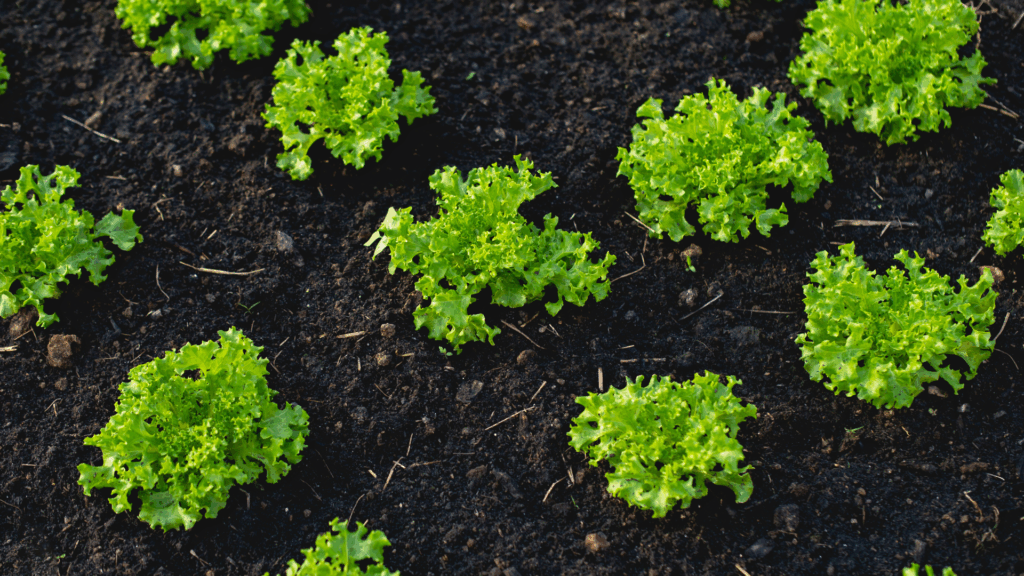
This realization sent me deep into the research — and what I do every day for work for CellCore naturally became the tool I used to explore my own questions. I wanted to understand why this middle ground made sense to me now, despite my reverence for the plant-based philosophy. What I discovered is what I now call “soil to cell coherence” — the idea that true nourishment depends on the connection between the microbes in the soil, the vitality of plants, and the intelligence of the human cell.

Protein: The Science Beneath the Debate

There’s a lot of debate around protein. But what gets lost is the simple truth: the body needs enough to repair, rebuild, and sustain, but not as much as some camps assert.

The baseline recommendation is about 0.8 grams per kilogram of body weight per day to prevent deficiencies. But this is the minimum for survival, not the mark of optimal health.

Clinical studies show that adults, especially those of us over fifty or recovering from stress or illness, do better with 1.0 to 1.2 grams per kilogram. Highly active people may benefit from up to 1.6 grams.¹²³ Those ranges help maintain lean muscle, steady metabolism, and, in my personal and clinical experience, they’re vital for healing from toxin exposures.

A well-planned vegan diet can easily meet those needs. The key is variety — and enough total protein. In his book, Eat To Live, vegan doctor, Dr. Joel Fuhrman, recommends soy, lentils, quinoa, hemp, and peas to be sure to get every essential amino acid. What matters most though isn’t the label on the diet, it’s whether your body is getting the raw materials it needs to repair, renew, and rebuild itself.

Where Veganism Shines — and Where It Can Falter

Whole-food, plant-based diets offer, with lots of fresh, live, and local vegetables and fruits, provides powerful benefits. They calm inflammation, support heart health, and improve insulin sensitivity.⁴ They’re rich in polyphenols, antioxidants, and fiber — nutrients that feed a diverse and resilient gut microbiome.

But certain nutrients, such as vitamin B12, iron, zinc, DHA, and selenium, can be harder to get in full measure from plants alone.⁵⁶ Many long-time vegans stay vibrant by supplementing or adding functional foods that bridge those gaps… and supplementing with pills and potions out of necessity just doesn’t make sense to me, since I believe nature provides.

This is where We Are the New Farmers spirulina fits beautifully. It’s a living, nutrient-dense plant protein, full of chlorophyll, B vitamins, and trace minerals. It carries the same bright, life-force energy I feel in a glass of fresh juice!

For me, adding a small amount of clean, consciously raised animal protein brings grounding and stability. It provides easily absorbed nutrients, such as heme iron, vitamin A in its active form, and zinc, which are all crucial for cellular repair, metabolic function, and sustained energy.⁷

The Living Thread: From Soil to Cell

Science, and one of my current favorite doctors, Dr. Zach Bush, are now confirming what intuition has long known: our health mirrors the health of the soil. Regenerative farming restores microbial life to the earth and, with it, the nutrient richness of the plants and animals it nourishes.⁸⁹

Researchers are now even mapping the connections between the soil microbiome, the plant microbiome, and our own gut ecosystem — marking a living thread of communication that runs through all of life, what Buddhist monk Thich Nhat Hanh called the interbeingness of life. ¹⁰

When that thread stays intact, food becomes information the body recognizes. When it breaks, even ‘perfect’ diets lose meaning.

How I Practice Soil to Cell Coherence

  • Begin with life. Each morning I have a shote of wheatgrass, fresh pressed juice and/or spirulina in my smoothie, to cleanse my palate and remind my body what real, living food tastes and feels like.
  • Honor protein needs. I build each meal with intention, whether lentils and quinoa or a small portion of regeneratively raised fish or eggs.
  • Close the gaps. I supplement B 12 and DHA if I feel needed.
  • Feed the microbiome. I fill my week with a wide variety of plants — thirty or more whenever possible — and weave in living ferments that sustain the diversity a healthy gut depends on.
  • Support the soil. I buy from local, organic farms that work with nature rather than against it.

References

  1. Phillips SM. Appl Physiol Nutr Metab. 2016;41(5):565–572.
  2. Bauer J et al. J Am Med Dir Assoc. 2013;14(8):542–559.
  3. Morton RW et al. Br J Sports Med. 2018;52(6):376–384.
  4. Esselstyn CB et al. Am J Cardiol. 2014;113(7):1071–1076.
  5. Melina V et al. J Acad Nutr Diet. 2016;116(12):1970–1980.
  6. Pawlak R et al. Nutrients. 2013;5(12):4861–4878.
  7. Otten JJ et al. Dietary Reference Intakes. National Academies Press; 2006.
  8. Montgomery DR, Biklé A. Front Sustain Food Syst. 2021;5:682762.
  9. Chabbi A et al. Glob Change Biol. 2017;23(2):715–732.
  10. Walters WA et al. Front Microbiol. 2020;11:1858.

Closing Reflection

Whether vegan, omnivore, or somewhere in between, the goal is the same, to live in coherence and alignment with Mother Nature and her ecosystems that sustain us. For me, that means choosing foods that carry vitality and deep nourishment from the soil to the cell, and honoring the intelligence of Nature itself.

Love it? Share it!

  • Share on Facebook (Opens in new window) Facebook
  • Share on X (Opens in new window) X
  • Share on Pinterest (Opens in new window) Pinterest
  • Share on LinkedIn (Opens in new window) LinkedIn
  • Share on Tumblr (Opens in new window) Tumblr
  • Share on Pocket (Opens in new window) Pocket
  • Share on Reddit (Opens in new window) Reddit
  • Print (Opens in new window) Print
  • Email a link to a friend (Opens in new window) Email

Filed Under: Environmental Toxins, Protein and Real Food Nutrition

Your Body Needs Complete Protein. Most Plants Can’t Deliver It.

October 4, 2025 By cegan

Your body requires nine essential amino acids. Every day. It can’t manufacture them, so you need to eat them.

Most plant proteins are incomplete. Rice is missing lysine. Beans are low in methionine. You combine foods to get what you need, and some days it works, some days it doesn’t. With the protein craze, my clients ask me about this constantly.

Spirulina is 60-70% protein by weight. All nine essential amino acids. Complete.

For comparison: chicken breast is 31% protein, eggs are 13%, beans run 20-25%. But the percentage only matters if your body can actually use it.

Absorption Changes Everything

Spirulina lacks cellulose cell walls. This is no small detail. It means your digestive system breaks it down easily—the protein gets absorbed instead of passing through undigested.

The iron bioavailability tells another story. Studies show spirulina’s iron absorbs significantly better than spinach, kale, or other plant sources. If you’ve been tracking low iron for years, eating more greens doesn’t always fix it. Absorption does.

Then there’s B12. You basically can’t get it from plants. Except spirulina has it. Along with the full B-complex, spirulina provides vitamins A, E, and K. Plus calcium, magnesium, zinc, selenium.

And… gamma-linolenic acid (GLA)—an omega-6 most people run low on without knowing it.

That Blue Pigment Matters

Phycocyanin gives spirulina its color. It’s also a potent antioxidant.

The mechanism of this antioxidant is straightforward: antioxidants neutralize free radicals, those unstable molecules that damage cells. This reduces oxidative stress, which links to cardiovascular disease, cellular aging, and pretty much every chronic condition we want to avoid.

Research shows phycocyanin reduces inflammation markers, supports cellular repair, and offers neuroprotective effects. Measured outcomes, not wellness bio-hacking and clever marketing.

What Happens in Your Body

Studies document these changes with regular spirulina intake:

Immune function improves. Natural killer cells—the ones that patrol for infections and abnormal cells—increase their activity. Cytokine production balances. Your immune system responds more effectively to threats.

Energy stabilizes through the day. B vitamins fuel cellular energy production. Bioavailable iron carries oxygen to every cell. Complete protein sustains you without the afternoon crash.

Metabolic markers shift. Clinical trials show improvements in lipid profiles, blood glucose regulation, cardiovascular health. The effects are modest but reproducible.

Mental clarity sharpens. Reduced mental fatigue. Better cognitive performance under load. Some research suggests protection against cognitive decline.

Your gut microbiome changes. Spirulina promotes beneficial bacteria, which affects everything from nutrient absorption to immune function to how your brain produces neurotransmitters.

This research spans hundreds of peer-reviewed studies. The evidence isn’t preliminary, it’s rock solid.

Most Spirulina Is Dead on Arrival

Here’s the problem with powdered spirulina that many endorse: it’s been spray-dried, possibly months ago. The algae was harvested overseas, dehydrated at high temperatures, pressed into pills with binding agents, shipped thousands of miles.

By the time you open it, the enzymes are destroyed. The nutrients aren’t bioavailable. And it tastes like pond water because the quality control on outdoor ponds is variable at best.

Your body can’t absorb what’s already degraded.

Fresh-Frozen Keeps Everything Intact

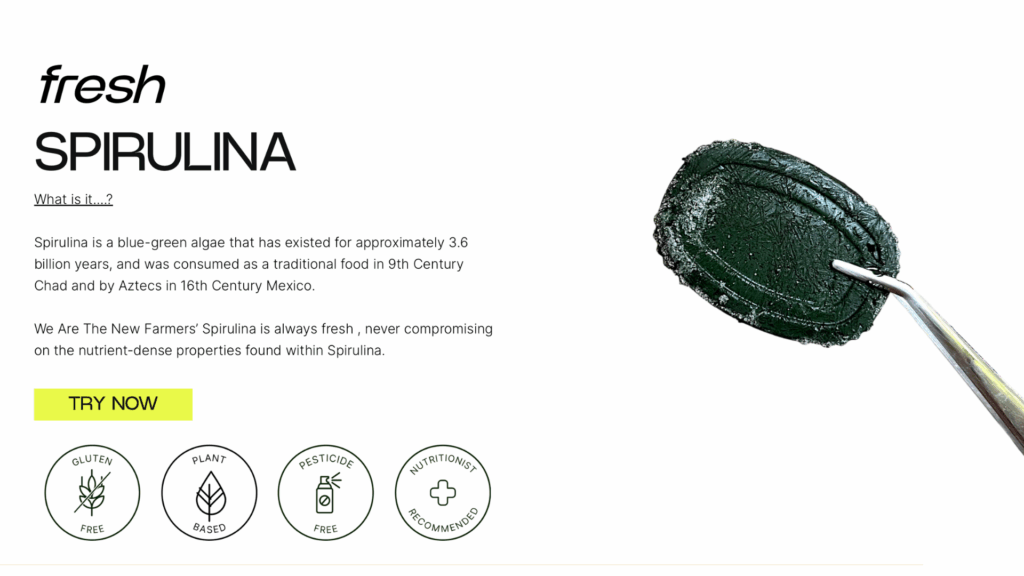
We Are The New Farmers grows spirulina indoors in Brooklyn, NY. Controlled conditions year-round. Filtered water. No outdoor ponds, no contamination risk.

Their process: harvest the algae, filter it, gently press out excess water, flash-freeze immediately. That’s it.

No spray drying. No processing. No additives. The spirulina is alive when it freezes, which preserves the natural enzymes and co-factors your body needs for absorption.

Each batch gets tested by third-party labs for heavy metals and contaminants. Every pod contains 100% Arthrospira platensis and nothing else.

One pod delivers the micronutrient equivalent of a full day’s greens. Two pods pack the protein of an egg. But unlike that powder some recommend, fresh-frozen spirulina tastes mild and blends creamy—almost like adding frozen banana to your smoothie, but with 60% more protein and actual bioavailable nutrition. A few months in, this has become the best part of my morning routine.

Source Quality Isn’t Optional

Spirulina grown in contaminated water concentrates heavy metals and toxins. This is documented. Outdoor ponds carry risks. Overseas operations vary wildly in standards.

When you’re consuming something daily, source matters more than price. We Are The New Farmers controls every variable—indoor growing, water filtration, immediate freezing, and third-party testing. Verification comes with each batch.

How This Actually Works

One to two pods in your blender every morning. Add fruit, greens, liquid of choice. Blend for 30 seconds.

Your body gets complete protein with all essential amino acids, bioavailable iron, B12, 40+ micronutrients, and cellular antioxidants. The subscription delivers monthly, pods go in your freezer, and you stop thinking about it.

Your energy distribution evens out. Your body gets consistent nutrition even on chaotic days when meals fall apart.

A few months in, the difference shows up. Not dramatically, not overnight. Just steadier. Better. Reliable. Enough that I recommend it to clients now, and they’re reporting the same results.

What I actually blend: 1-2 spirulina pods, 2 cups wild frozen blueberries (brain food), handful of spinach (folate and magnesium), 1 cup almond milk. Blend 30 seconds in my Vitamix. Add 1/4 avocado. Blend another 15 seconds. Done.

This Makes Sense If

Your protein intake varies day to day and you’re tired of tracking it.

Your iron runs low no matter how much spinach you eat.

You want B12 without adding animal products or questionable supplements.

You value research-backed nutrition over wellness trends.

You refuse to compromise on quality or taste.

Try It

Order a month’s supply. One pod every morning for 30 days.

Either your energy stabilizes, your body responds, and you keep going. Or it doesn’t work for you, and you’re done.

30 days will tell you everything you need to know.

The research exists. The product delivers.

Just maybe don’t lead with “I blend algae every morning” at your next dinner party. Work up to it. Trust me on this one.


I partnered with We Are The New Farmers because the product works. When you order through my link, I earn a small commission. You get the same price, I get compensated for the research. Fair exchange.

Note: I spent weeks in the research so you don’t have to. If I’m committing to an auto-subscription, I want to feel solid on exactly what I’m getting. This is the best addition I’ve added to my health regime in a long time. 

Love it? Share it!

  • Share on Facebook (Opens in new window) Facebook
  • Share on X (Opens in new window) X
  • Share on Pinterest (Opens in new window) Pinterest
  • Share on LinkedIn (Opens in new window) LinkedIn
  • Share on Tumblr (Opens in new window) Tumblr
  • Share on Pocket (Opens in new window) Pocket
  • Share on Reddit (Opens in new window) Reddit
  • Print (Opens in new window) Print
  • Email a link to a friend (Opens in new window) Email

Filed Under: Protein and Real Food Nutrition

Search & You Shall Find

Topics

  • Environmental Toxins
  • Gut Issues & Bloating
  • Headaches, Brain Fog & Focus
  • Health Hacks
  • Mind-Body-Spirit Connection
  • Protein and Real Food Nutrition
  • Recipes
  • Root Cause
  • Start Here
  • Success Stories

DOWNLOAD YOUR FREE GUIDE

GET ON THE WAITLIST NOW!

FREE DETOX TIPS IN YOUR INBOX

As Seen In:

Forbes Huffington Post Better Connecticut Bella Mia Magazine Boston News Network Blog Talk Radio

Carol Egan – Heal Your Digestion to Heal Your Life

  • Facebook
  • Pinterest
  • Twitter

Let’s Talk About Health

I work with accomplished professionals who want to look and feel as healthy as they are successful. They spent years prioritizing success over health, and are now troubled by excess weight, exhaustion, and foggy thinking at work and home. I help them take control of their health, so they can focus on what matters in their life and career.

Schedule Your Call

Copyright © 2026 by Carol Egan · Privacy Policy · Disclaimer· Terms and Conditions