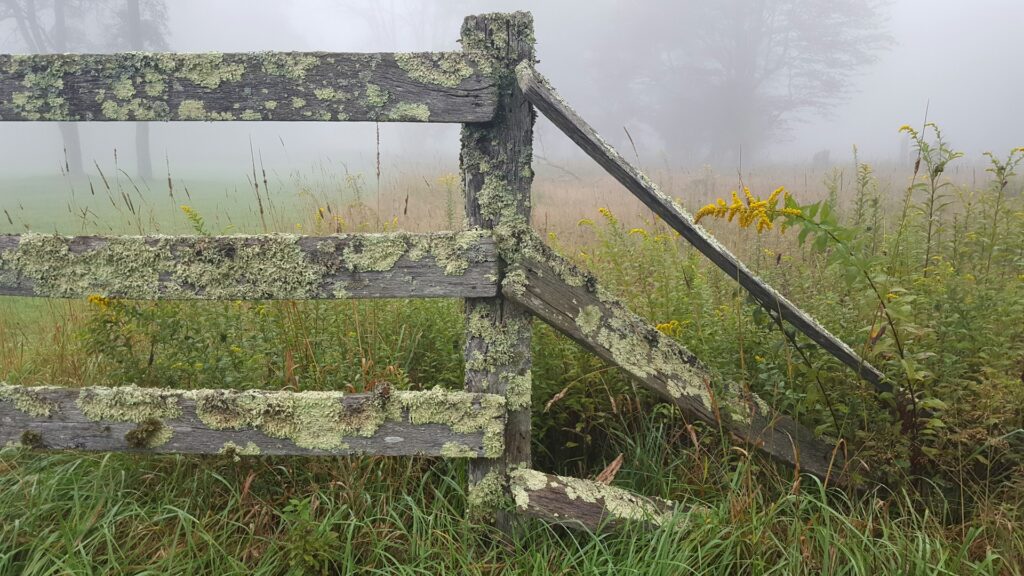
Photo by dawn marie on Unsplash
“We do not inherit the earth from our ancestors, we borrow it from our children.” — Native American Proverb
Last week the Wall Street Journal reported that serious chemical accidents in the United States rose again in 2025. Companies disclosed 131 serious releases, about a fifth more than the year before, and 48 people died, nearly twice the prior toll. It is a careful piece, reported from a thirty thousand foot view: aging plants, deferred maintenance, federal rules that cover some chemicals and skip others, a fight in Washington over prevention standards finalized in 2024. You finish it informed. You also finish it feeling this is a national problem, happening somewhere else, to someone else.
It isn’t somewhere else. On February 26 a fuel oil tanker rolled over on Forest Road in West Haven, Connecticut, the state I live in, and roughly 2,400 gallons reached the West River through the storm drains. Within days the state told people not to eat the fish they caught there. That was the warning that got issued. The one I keep wondering about is the one that didn’t, for the water moving where no camera was pointed, such as ground water and via our soil? This is the WSJ’s thirty-thousand-foot story landing in one Connecticut watershed, and it speaks to something I run into every day in my work. We can buy organic. We can read the research and throw out the ones funded by the very companies whose products they conclude are safe. We can do everything right at our own table. And the river still runs past our door carrying what someone upstream spilled while no one was looking.
The careful eater and the careful farmer are making the same quiet bet: that diligence inside the fence line can hold back what drifts in from outside it. I like that image, but let me be the one to break it. There is no fence. If the river carries it past my door, it carries it past your door, and past the family three towns over who never read a single study and never will. The whole logic of personal protection assumes a fence that the water we drink, the air we breathe, and the soil we grow our food in never once recognized. Which means the real question was never how do I keep myself and my family safe. It’s what happens to everyone on the other side of the non-existent fence. I eat clean. I’ve made significant investments in protecting myself and my family. But what about you and your family? What about the people who don’t know to ask? This is where the game changes. As the Buddhist monk Thich Nhat Hanh taught, “We are here to awaken from the illusion of our separateness.”
So the real work moves outward, from me to we, from defense to care, and that is the harder and more hopeful thing. Caring for our own body and caring for the planet turn out to be the same act seen at two scales, because you are not separate from the earth that feeds you. Tend one and you tend the other. Harm one and you harm both. We are borrowing the earth from people who cannot yet vote, shop, or read a fish advisory. We tend our own plates and lives, yes, but we also pay attention to what is going on when we do not know what is going on, and then we share what we learn with anyone willing to listen (and not), because a clean table in a contaminated common area will never be enough. This is not fear. It is the oldest kind of stewardship there is.
As Rachel Carson wrote,
“In nature nothing exists alone.”