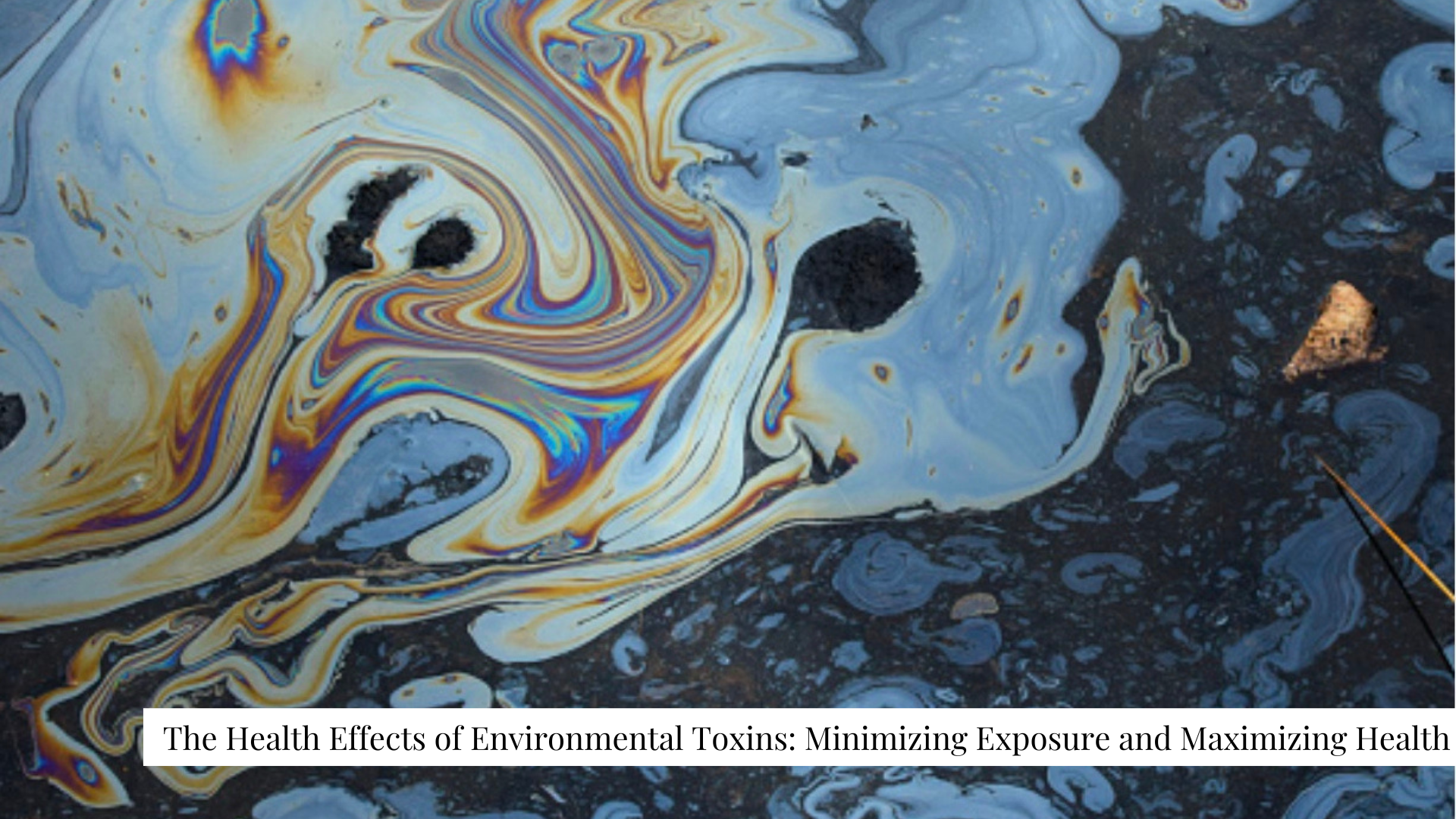
 Environmental toxins are all around us, from the air we breathe to the food we eat to the water we drink, and to the products we use. The impact of toxins on our health can be significant and long-lasting, with potentially serious consequences such as cancer, autoimmune diseases, and neurological disorders. In this blog post, I offer you a comprehensive overview of the types of toxins that we may encounter in our environment and offer practical solutions for reducing toxic exposure and protecting our health.
Sources of Toxins
Toxins can come from a variety of sources, including air pollution, water contamination, food toxins, and household and personal care products. Air pollutants such as particulate matter, nitrogen oxides, and ozone can be harmful to human health, as can water contaminants such as heavy metals, pesticides, pharmaceuticals, and radioactive elements. Food toxins such as pesticides, heavy metals, and food additives can accumulate in our bodies over time and are linked to chronic diseases such as cancer — I work with clients who suffer from the impact of these toxins every day. Add to this, household and personal care products, including cleaning products, cosmetics, and fragrances, contain potentially harmful chemicals such as phthalates, parabens, and triclosan.
Types of Toxins
Some of the most common types of toxins that we can encounter in our environment include heavy metals, pesticides and herbicides, plasticizers, and flame retardants. Heavy metals such as lead, mercury, and cadmium are toxic to humans and can be found in contaminated soil, water, and food. Pesticides and herbicides are commonly used in agriculture to control pests and weeds but are harmful to human health and have been linked to a range of health problems, including cancer and neurological disorders (see references below). Plasticizers such as bisphenol A (BPA) and phthalates are used in the production of plastics and can leach into food and beverages. Flame retardants are commonly used in furniture, electronics, and building materials but can be toxic and may accumulate in the body over time.
The Impact of Toxins on Health
Toxins can have a wide range of negative effects on our health, including inflammation and oxidative stress, hormonal disruption, DNA damage and mutations, and cellular dysfunction and death. Inflammation and oxidative stress can lead to tissue damage and chronic diseases such as arthritis, diabetes, and heart disease. Hormonal disruption can cause hormonal imbalances and reproductive problems. DNA damage and mutations can increase the risk of cancer and other diseases, while cellular dysfunction and death can interfere with normal bodily functions. Toxins can also affect the nervous system, leading to neurological problems such as cognitive impairment, memory loss, and Parkinson’s disease.
Reducing Toxic Exposure
Reducing toxic exposure can be challenging but is crucial for protecting our health. Some steps that individuals can take to reduce toxic exposure include choosing organic foods, using natural cleaning products, using air filters and water purifiers (distilled is my recommendation), and avoiding smoking and secondhand smoke. Additionally, reducing exposure to plastics and using safer personal care products can help minimize exposure to harmful chemicals such as phthalates and parabens. Supporting our body’s natural detoxification processes through a whole-foods diet, exercise, and other holistic lifestyle changes can also help reduce the impact of toxins on your health.
In Conclusion
The impact of environmental toxins on our health is significant and multifaceted. Toxins can come from many sources, including air pollution, water contamination, food toxins, and household and personal care products. They can have a wide range of negative effects on our health, including inflammation, hormonal disruption, DNA damage, and neurological problems. Reducing toxic exposure can be challenging but is crucial for protecting our health. By taking steps to reduce exposure to toxins and supporting our body’s natural detoxification processes, we can help minimize the impact of toxins on our health and lead healthier, more vibrant lives.
References for Your Review
There are numerous studies that have linked herbicides and pesticides to cancer and neurological disorders. Here are a few:
A review by Alavanja and Bonner found that agricultural workers exposed to pesticides have an increased risk of several cancers, including leukemia, lymphoma, brain cancer, and prostate cancer. Some pesticides have also been classified as probable or possible carcinogens by the International Agency for Research on Cancer (IARC) (1).
A 2013 meta-analysis published in the journal Neurology found that exposure to pesticides was associated with about a 60% increased risk of Parkinson’s disease (2).
A 2011 study published in Environmental Health Perspectives found that people who had used the pesticides paraquat or rotenone had about 2.5 times the risk of developing Parkinson’s disease (3).
Overall, these studies provide strong evidence linking herbicides and pesticides to cancer and neurological disorders. It is important to take steps to minimize exposure to these toxins and protect our health.
- Alavanja MCR, Bonner MR. Occupational pesticide exposures and cancer risk: a review. J Toxicol Environ Health B, 2012. doi:10.1080/10937404.2012.632358
- Pezzoli G, Cereda E. Exposure to pesticides or solvents and risk of Parkinson disease. Neurology, 2013. doi:10.1212/WNL.0b013e318294b3c8
- Tanner CM, et al. Rotenone, paraquat, and Parkinson’s disease. Environ Health Perspect, 2011. doi:10.1289/ehp.1002839
Here are some resources you may find helpful in understanding the effects of toxins on our health:
- National Institute of Environmental Health Sciences, Endocrine Disruptors: niehs.nih.gov/health/topics/agents/endocrine
- National Institute of Environmental Health Sciences, Air Pollution and Your Health: niehs.nih.gov/health/topics/agents/air-pollution
- World Health Organization, Air Pollution: who.int/health-topics/air-pollution
- CDC National Report on Human Exposure to Environmental Chemicals: cdc.gov/exposurereport
I hope you find this post and these resources helpful!
If you’d like to discuss your health goals and the coaching options I offer, please email me here.
The Detox Dispatch
Twice a month, I share research connecting toxins to symptoms. Connecting these dots is what lights me up… and I’d love to share it with you.
For Practitioners
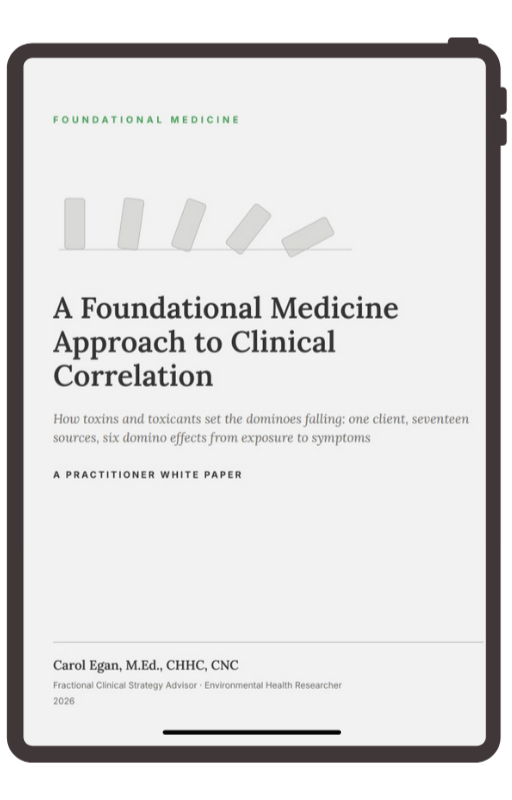
See what becomes clear when one complex case is read through the lens of Foundational Medicine, in my free white paper.





[…] the risk factors and potential problems caused by parasitic infections is no longer optional in the toxic world we live in. By taking preventive measures and seeking timely treatment, you can reduce the impact […]