Carol Egan

  • About
  • Detox Tools
  • Speaking
  • Coaching
  • Results
  • Articles
  • Resources
  • Shop
  • Contact

What Your Doctor Isn’t Trained to See

By cegan

In my six years as Clinical Advisor for CellCore Biosciences, I’ve seen similar patterns hundreds of times.
Sarah, a VP at a Fortune 500 company, came to me after two years of doctors dismissing her crushing fatigue. “Normal” thyroid. “Normal” blood work. “You’re just stressed,” they said. “Busy executives get tired.”

Meanwhile, Sarah was canceling dinner plans, drinking four cups of coffee to get through meetings, and falling asleep on the couch every night at 7 PM. She was watching her life slip away a little more each day.

But I don’t stop at standard labs.

When we tested Sarah for environmental toxins, her glyphosate levels were off the charts. This common pesticide was disrupting her mitochondrial function – the cellular powerhouses that create energy. No wonder she was exhausted.

Here’s what most doctors don’t know: Environmental toxins like glyphosate, heavy metals, mycotoxins, and PFAS chemicals can suppress energy production and wreak havoc on your digestion and brain function for years before showing up on conventional tests.

It’s not their fault. Medical school teaches doctors to diagnose diseases, not look for root causes, not investigate toxic environmental sources so common in our environment. That’s where my research comes in.

I’ve spent years studying how pesticides, heavy metals, and microbial toxins create the symptoms that conventional medicine can’t explain. Most practitioners never even test for these culprits.

Your instincts are right – something IS wrong. In my experience, there’s usually a specific toxin or infection causing havoc.

Six months after addressing Sarah’s glyphosate burden and supporting her mitochondria, she started to get her life back. More energy. Clearer thinking. No more 3 PM crashes.

The answer isn’t learning to live with chronic symptoms. The answer is finding what everyone else missed.

Ready to find what everyone else missed? Let’s start with the right test.

Love it? Share it!

  • Share on Facebook (Opens in new window) Facebook
  • Share on X (Opens in new window) X
  • Share on Pinterest (Opens in new window) Pinterest
  • Share on LinkedIn (Opens in new window) LinkedIn
  • Share on Tumblr (Opens in new window) Tumblr
  • Share on Reddit (Opens in new window) Reddit
  • Print (Opens in new window) Print
  • Email a link to a friend (Opens in new window) Email

Filed Under: Uncategorized

Italian Stuffed Zucchini with Mushrooms, Walnuts & Marinara

July 28, 2025 By cegan

Serves: 2-6
Time: About 45–55 minutes

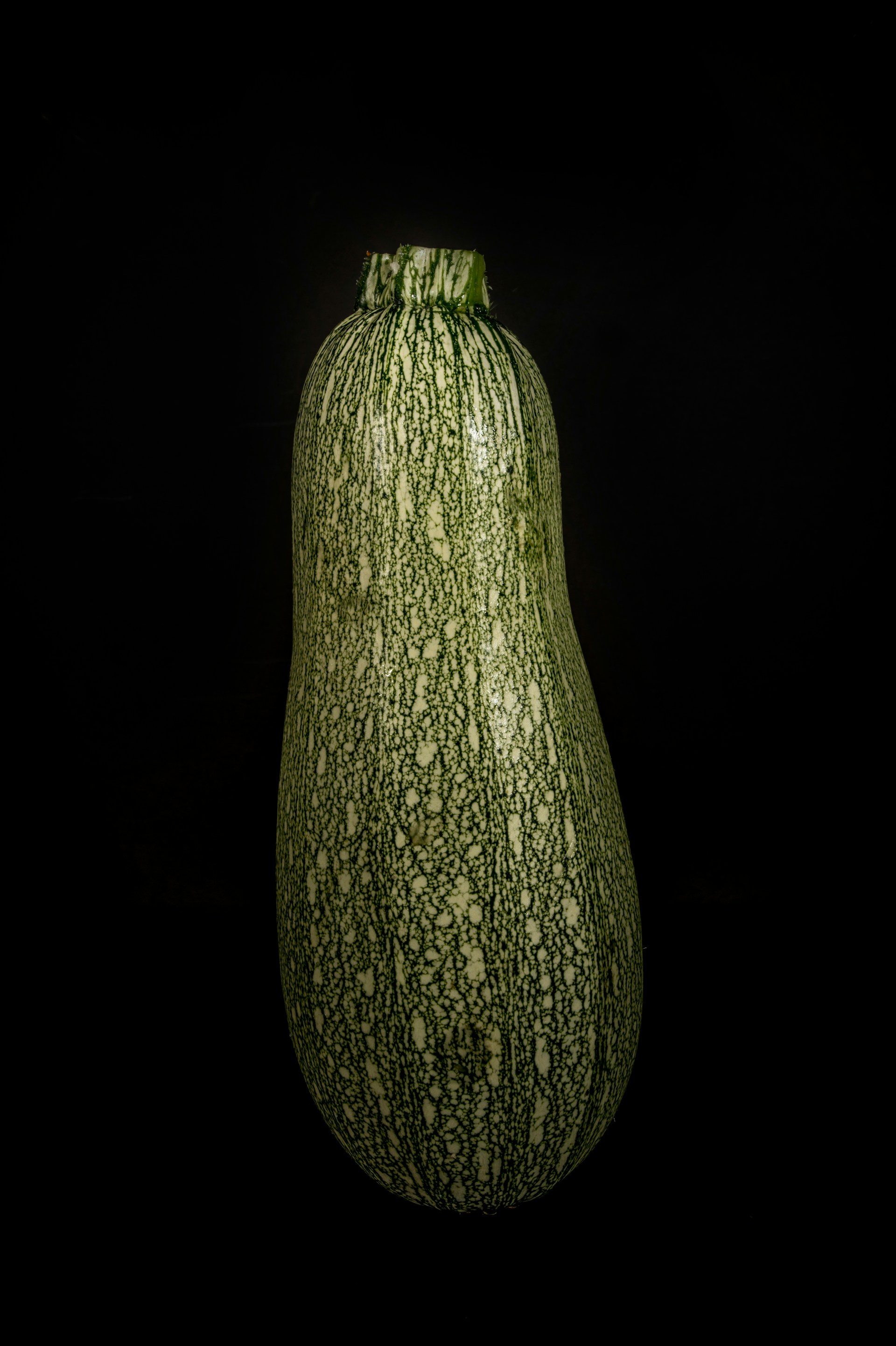
It’s zucchini season here in New England, and my favorite local organic farm is overflowing with the good stuff. I love stopping by, catching up with the amazing humans who grow my food, and seeing what’s fresh. Right now, they’ve got these massive zucchinis, the kind most people skip over, but I grab every time. They’re cheap, local, organic, and honestly? Perfect for stuffing.

There’s something kind of magical about cooking with food that was grown just a few miles away, by people you actually know and really enjoy. It makes the whole thing feel more alive, more grounded, more connected. This recipe comes out of that connection, very fresh, totally delicious, and rooted in the season.

This recipe makes enough for 2 to 6 servings, depending on the hunger level, or whether you’re starting with a garden salad. One big zucchini can go a long way!

Ingredients

  • 1 extra-large zucchini (10–12 inches long)
  • 1 tbsp olive oil
  • 1½ cups finely chopped mushrooms (like cremini or button)
  • ½ cup chopped walnuts
  • 2-3 garlic cloves, minced
  • ¼ cup finely diced onion
  • Scooped-out zucchini flesh from the center, finely chopped
  • 1/4 – 1/2 tsp fennel seeds, lightly crushed (adds a subtle Italian sausage flavor)
  • ¼ tsp crushed red pepper flakes (or to taste)
  • ½ tsp salt, plus more to taste
  • Fresh ground black pepper
  • ½ tsp dried oregano (or 1½ tsp fresh)
  • 1 tbsp chopped fresh parsley
  • 1 tbsp chopped fresh basil
  • 1½ cups marinara sauce (plus more if needed)
  • Optional: 1 tbsp nutritional yeast, or cheese of your choice

Instructions

  1. Prep the zucchini.
    Preheat the oven to 400°F (190°C). Slice the zucchini in half lengthwise and scoop out the center, leaving about a ½-inch shell. Finely chop the scooped-out zucchini flesh and set it aside — you’ll be adding it to the filling.

  2. Make the filling.
    Heat the olive oil in a large skillet over medium heat. Add the onion and cook for 2–3 minutes. Stir in the garlic, fennel seeds, red pepper flakes, and mushrooms. Cook until the mushrooms release their moisture and start to brown, about 5–7 minutes. Add the chopped zucchini flesh and walnuts, and cook for another 4–5 minutes, stirring occasionally, until most of the moisture has cooked off.

  3. Season it up.
    Stir in the salt, pepper, oregano, parsley, and basil. Add about ½ cup of marinara and mix well. Taste and adjust seasoning if needed.

  4. Stuff and bake.
    Spoon the filling into the zucchini boats. Place them in a baking dish and pour the remaining marinara sauce around them and a little over the top. Cover loosely and bake for 35-40 minutes. Uncover and bake another 15-20 minutes, until the zucchini is tender and everything’s bubbling.

  5. Serve.
    Finish with more fresh basil, and a sprinkle of nutritional yeast or vegan parm if you like. Serve warm.

Wrap-up

Honestly, this recipe hits the sweet spot for me;  the filling is veggie-packed with local love and full of flavor from ingredients I feel good about. Recipes like this remind me why I cook in the first place. It’s not just about the food (okay, it’s a lot about the food), it’s about the people, the season, and that sense of being connected to Nature and the Earth in small, local, feel-good ways.

Tip: Depending on the size of your extra-large zucchini, allow enough time for it all to cook through, without drying it out. 

Enjoy!


Love it? Share it!

  • Share on Facebook (Opens in new window) Facebook
  • Share on X (Opens in new window) X
  • Share on Pinterest (Opens in new window) Pinterest
  • Share on LinkedIn (Opens in new window) LinkedIn
  • Share on Tumblr (Opens in new window) Tumblr
  • Share on Reddit (Opens in new window) Reddit
  • Print (Opens in new window) Print
  • Email a link to a friend (Opens in new window) Email

Filed Under: Recipes

When You Feel Your Best, You Get to Choose

By cegan

This is Part 3 of a 3-part series on chronic illness as spiritual invitation.


Today I help people understand why their bodies are struggling. I love this work, but I never planned it when I was sick.

I couldn’t have. When you’re just trying to survive your symptoms, you can barely see past getting through the day, let alone think about what you want to do with your life.

But here’s the thing – when you finally feel your best, you actually get to choose what you want to do. 

The Freedom Health Gives You

When I was sick, I had zero choices. Every single decision got filtered through “Can my body handle this today?” Every plan never got scheduled because I felt too awful. Every conversation was about my symptoms.

I mean, my symptoms were literally choosing my life for me.

But when my body finally began to work, and I’m talking actually worked, not just “good days” here and there, I could hear what was calling to me. Not because someone told me what I should do or because I had some grand plan. But because when all that fog finally cleared, I could think straight for the first time in what felt like ever.

Trusting What Emerges

I never planned to research environmental health. I was just trying to get my own life back, you know? But as I healed, one thing kept leading to another. One discovery would point me toward the next piece of the puzzle.

I started trusting that following my curiosity about all that I was learning would lead somewhere good, even when I had no idea where.

And it did. My desperate search for my own answers became the foundation for helping other people find theirs. Not because I forced it to happen that way. Because I just kept trusting what was unfolding.

When you’re actually healthy and clear, the right path has a way of showing up.

What Healing Really Gives You

Look, healing isn’t just about feeling better. Though that’s huge. It’s about getting the freedom to discover what actually wants to come through you, what you’re actually capable of achieving.

For me, it turned out to be this work helping others heal. For you? Could be art or starting a business or being present for your kids or building something or serving people in ways you can’t even imagine right now.

You don’t have to know what it is while you’re sick. Just trust that getting well will lead you somewhere good, something that might be so profound, you can’t even imagine it right now.

When your brain actually works, you can think about more than just survival. When you have real energy again, you can chase after things that light you up. When your nervous system isn’t constantly freaking out, you can trust what feels right.

Your Thing Is Out There

If you’re still in the middle of healing right now, you might be wondering if this struggle means anything. If you’ll ever feel healthy again. If any of all you’re doing is actually going somewhere.

It does. You will. It is. I promise.

Your healing journey isn’t just about getting your old life back. It’s about getting the freedom to choose what you actually want, and you might not even know what that is yet.

Whatever’s meant for you is waiting. But first you have to remove what’s causing you to not feel well. Fix the foundation. Repair the machinery. Get your body working so you can actually have time and presence to hear what’s calling you.

Taking care of your health isn’t selfish, by the way. This body we’ve been given, it’s precious. It’s preparation for whatever wants to emerge through you. It’s pure faith in action.

When you feel your best, you’ll know what to do. And you’ll actually have the energy to do it.

Regarding the symptoms that feel like they’re ending everything? They’re just clearing the way for what’s supposed to come next.

Trust your healing journey. Trust the process. Trust what wants to emerge.


This is Part 3 of a 3-part series on chronic illness as spiritual invitation. Read the full series:

  • Part 1: When Illness Interrupts the Plan
  • Part 2: Why Physical Healing Comes First
  • Part 3: When You Feel Your Best, You Get to Choose (you are here)

Love it? Share it!

  • Share on Facebook (Opens in new window) Facebook
  • Share on X (Opens in new window) X
  • Share on Pinterest (Opens in new window) Pinterest
  • Share on LinkedIn (Opens in new window) LinkedIn
  • Share on Tumblr (Opens in new window) Tumblr
  • Share on Reddit (Opens in new window) Reddit
  • Print (Opens in new window) Print
  • Email a link to a friend (Opens in new window) Email

Filed Under: Uncategorized

Why Physical Healing Comes First

By cegan

This is Part 2 of a 3-part series on chronic illness as spiritual invitation.


When I was really sick, my goal was embarrassingly basic: to live inside a body that could host the life I was meant to live.

Not to become a health expert. Not to master complex protocols. Not to research. Just to function.

Because here’s what I learned: When you’re sick, survival becomes your full-time job.

When Sickness Hijacks Everything

I wasn’t contemplating my higher purpose. I was obsessing over bowel movements.

I wasn’t planning my career. I was researching why I couldn’t think straight.

I wasn’t nurturing relationships. I was too exhausted to show up for anyone.

Every day was consumed with managing symptoms, searching for solutions, and trying to function through the fog and fatigue. There was no mental or emotional bandwidth left for anything else.

Sick care became my entire existence. I didn’t have the mental capacity to fathom a “soul calling.” How could I contemplate divine purpose when I couldn’t even contemplate lunch without anxiety?

The Bandwidth Problem

How do you build a meaningful life when your brain won’t work? How do you pursue a calling when you can barely get through basic daily tasks? How do you serve others when you can barely serve yourself?

You don’t.

When your body doesn’t work, it demands all your attention. Every conversation becomes about symptoms. Every decision gets filtered through “Can I handle this today?” Every plan gets postponed because you feel too awful to follow through.

You can’t live your highest expression when you’re preoccupied with just surviving. When we stay stuck in sick care mode, we’re losing out on who we’re meant to become.

This is how most people live today. Bouncing from one health crisis to another. Managing diabetes, anxiety, digestive issues, brain fog, chronic pain, autoimmune flares. Always in sick care mode. I hear this. Everyday.

The Liberation

Here’s what happened when my body finally worked: I stopped thinking about it all the time.

When I could think clearly, I could focus on what mattered to me, instead of just survival. When I could digest food properly, I could enjoy meals instead of fearing them. When my energy returned, I could have fun again!

Physical healing didn’t become my life’s work. It freed me to discover what my actual life’s work was.

Suddenly I had bandwidth for things that mattered to me. I could learn. I could grow. I could contribute. I could help others instead of just obsessing over myself.

All because I wasn’t spending every waking moment managing my body’s dysfunction (think freedom!).

Fix the Foundation First

You can’t build a house on a cracked foundation. You can’t drive cross-country in a broken car. And you can’t live your fullest life in a body that’s constantly crying for help.

This body we’ve been given is precious, on loan to us for this human experience. This isn’t about some grandiose ideal. It’s simply about basic function.

Get the basics working. Clear the brain fog. Fix the gut. Calm the nervous system. Address what’s broken.

Not because health is everything, but because health enables everything else.

Fix the foundation first so you can actually hear what’s calling you onward. Then build the life you actually want to live.


This is Part 2 of a 3-part series on chronic illness as spiritual invitation. Read the full series:

Part 1: When Illness Interrupts the Plan
Part 2: Why Physical Healing Comes First (you are here)
Part 3: When You Feel Your Best, You Get to Choose

Love it? Share it!

  • Share on Facebook (Opens in new window) Facebook
  • Share on X (Opens in new window) X
  • Share on Pinterest (Opens in new window) Pinterest
  • Share on LinkedIn (Opens in new window) LinkedIn
  • Share on Tumblr (Opens in new window) Tumblr
  • Share on Reddit (Opens in new window) Reddit
  • Print (Opens in new window) Print
  • Email a link to a friend (Opens in new window) Email

Filed Under: Uncategorized

When Illness Interrupts the Plan

By cegan

I work as a Clinical Advisor for CellCore Biosciences, where I spend my days researching how environmental chemicals and toxins disrupt the human body. It’s like watching a horror film stitched into a high-speed action reel; one part devastating, one part revolutionary.
It’s exciting work. Empowering. I get to help people connect the dots between their symptoms and the toxins in their body. I wouldn’t trade what I do for anything, albeit very distressing at times.

But that’s not why I started this journey.

When Life Doesn’t Follow the Script

The ancient Vedic tradition describes four natural life stages: Brahmacharya (student phase), Grihastha (householder years), Vanaprastha (reflection time), and Sannyasa (spiritual focus). It’s a beautiful progression, a roadmap for a life well-lived, in the ideal.

My life had other plans.

During what should have been my student years, that crucial time for learning and growing, illness hijacked this script. My brain felt stuffed with cotton. I couldn’t eliminate waste efficiently. Chronic yeast infections, UTIs, cystic acne, bloating, gas, allergies and so much more… They became my constant companions that demanded all attention.

No doctor could tell me why.

While my peers were charting their paths in the world, my world contracted to the size of my symptoms. Instead of learning about my chosen field, I was learning about gut permeability. Instead of developing career skills, I was developing an intimate relationship with my body’s distress signals.

I felt derailed. Off-course.

The Detour That Wasn’t

But what if I wasn’t falling behind at all? What if this wasn’t a detour, but the exact path I needed to walk?

Looking back now, I see that illness didn’t steal my student years; illness was my education. My body became my greatest teacher. The desperation to understand why I felt so sick opened doors to worlds I never would have discovered otherwise.

Growing up in a small town with its own ideas, I might have lived my entire life within those comfortable boundaries. Illness forced me beyond them. It pushed me to question everything: What we eat. How we live. What we accept as “normal.”

Turns out, chronic illness didn’t steal my life, it gave me one I’d never even imagined possible.

Your Body Is Speaking

Here’s what I’ve learned after years of studying environmental toxicology: Your body is not your enemy.

When you can’t think clearly, your brain isn’t being lazy, it’s being poisoned by toxins that cross the blood-brain barrier.

When you can’t eliminate properly, it’s not solely your diet, it’s being damaged by chemicals that destroy the microbiome and gut wall.

When you have chronic infections and inflammation, your immune system isn’t overreacting, it’s overwhelmed by a toxic load it was never designed to handle.

Your symptoms aren’t normal because they’re common. They’re red flags your body is waving because something needs attention.

They’re your body saying: “Something is wrong. I need your help.”

The Soul’s Course Correction

The more I study both ancient wisdom and modern science, the more I see they’re pointing to the same truth: Chronic illness is often the soul’s way of course-correcting our lives.

It’s asking us: How are you living in alignment with the laws of nature? What needs to change for you to become who you’re meant to be?

Sometimes we’re so caught up in the momentum of what we think our lives should look like that we miss the subtle nudges our body sends our way. But the nudges will get louder, until finally, our body forces us to stop and listen.

What if our illness isn’t a hardship, but an invitation?

An invitation to reassess. To recalibrate. To realign with something deeper than the plan we thought we were supposed to follow.

Questions Worth Asking

  • What do we gain when we accept illness as a messenger, even a friend, rather than an enemy?
  • How might our greatest breakdowns become our most powerful breakthrough?
  • What do we lose if we ignore our body’s early signals instead of heeding its call?

If you’re reading this while struggling with chronic symptoms that doctors can’t explain, while feeling like your body is nothing but a burden, know this:

Your body is doing exactly what it should do when something needs to change.

You’re being called to something deeper. Something that will ultimately serve not just your healing, but your growth.

Sometimes the path to who we’re meant to become requires a complete disruption of who we thought we were supposed to be.

Sometimes illness is the soul’s way of saying: “There’s more for you than this. Let me show you the way.”


This is Part 1 of a 3-part series on chronic illness as spiritual invitation. Read the full series:

Part 1: When Illness Interrupts the Plan (you are here)
Part 2: Why Physical Healing Comes First
Part 3: When You Feel Your Best, You Get to Choose

Love it? Share it!

  • Share on Facebook (Opens in new window) Facebook
  • Share on X (Opens in new window) X
  • Share on Pinterest (Opens in new window) Pinterest
  • Share on LinkedIn (Opens in new window) LinkedIn
  • Share on Tumblr (Opens in new window) Tumblr
  • Share on Reddit (Opens in new window) Reddit
  • Print (Opens in new window) Print
  • Email a link to a friend (Opens in new window) Email

Filed Under: Uncategorized

Raw Beet Salad with Avocado, Parsley & Mint

By cegan

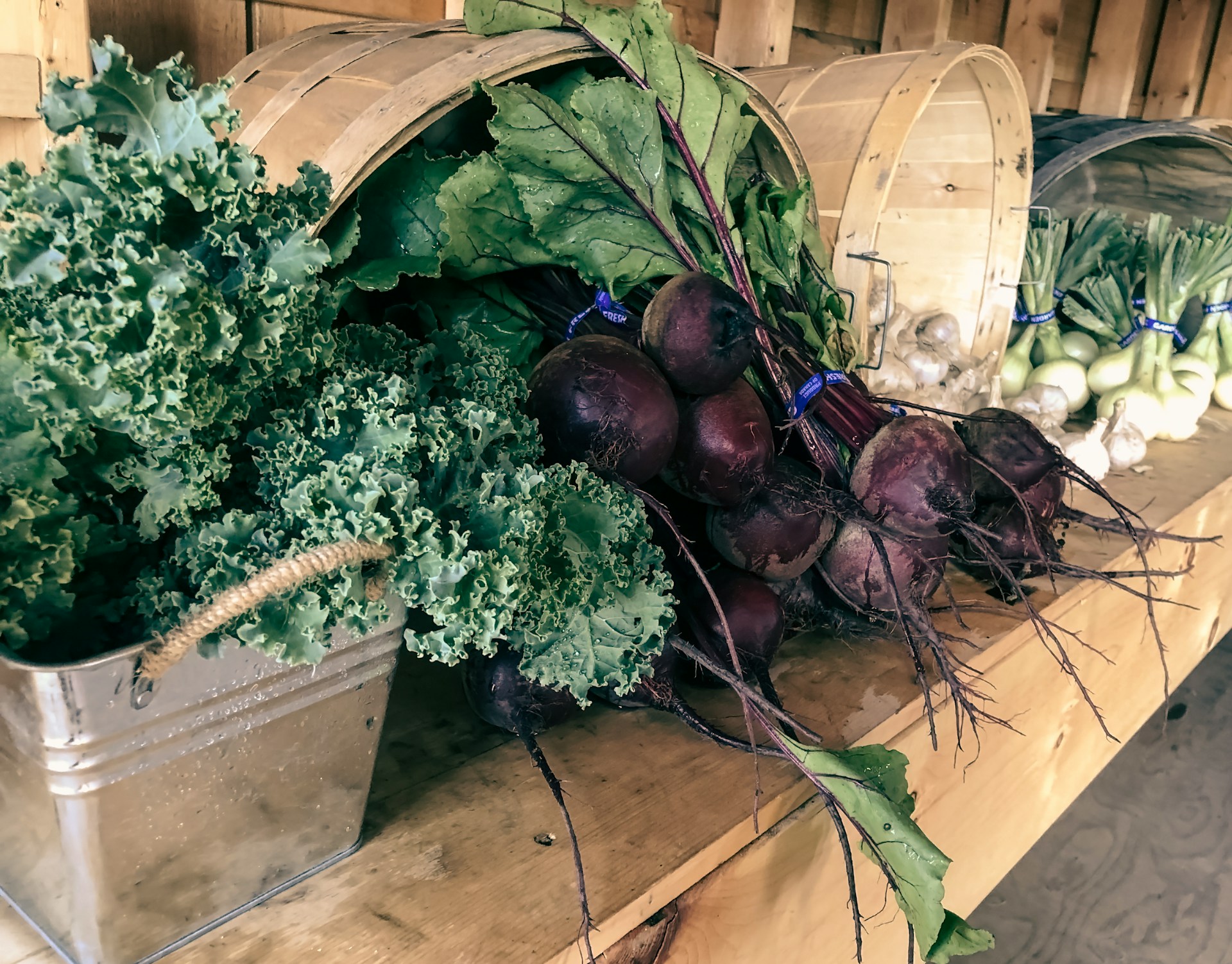
When my local farmer’s market had a glorious surplus of beets last weekend, I knew it was the universe nudging me to create something special. Beets are one of my all-time favorite vegetables, and one of nature’s most underrated superfoods. Rich in betalains, the antioxidant pigments that give beets their deep magenta hue and that support detoxification and cellular repair, beets are basically nature’s version of a detox app = they support liver function, reduce oxidative stress, and help our body clear out what it doesn’t need, with no subscription required!


They’re also incredibly grounding, grown deep in the earth, beets help us feel more rooted and calm, especially when eaten raw. Keeping them uncooked preserves their vibrant “life force” vitality, full of live enzymes, essential minerals, and a kind of energy we can actually feel! This simple yet elegant salad is my ode to Mother Nature, roots, connected, and full of life.

Recipe

Ingredients

  • 1 pound raw beets, peeled and thinly sliced with a mandolin

  • 1 ripe avocado, diced, sliced, or smashed

  • 1 tablespoon fresh parsley, finely chopped

  • 1 tablespoon fresh mint leaves, finely chopped

  • 2 tablespoons balsamic vinegar

  • 1 tablespoon extra-virgin olive oil

  • 1–2 teaspoons freshly squeezed lemon juice (optional but recommended for the brightness if adds!)

  • 2 teaspoons Dijon mustard

  • 1 large garlic clove, sliced crushed or finely minced (for steeping only)

  • ¼ teaspoon sea salt (plus more to taste)

  • ⅛ teaspoon freshly ground black pepper

Instructions

  1. Make the dressing:
    In a small bowl, mix balsamic vinegar, olive oil, Dijon mustard, lemon juice (if using), salt, pepper, and the crushed garlic. Let steep for 10+ minutes, then remove and discard the garlic.

  2. Dress the beets:
    Place sliced beets in a large bowl. Pour over the garlic-infused dressing and toss gently to coat. Let marinate for 10–15 minutes, or longer.

  3. Assemble the salad:
    Arrange the dressed beets on a serving platter or shallow bowl. Top with parsley, mint, and freshly diced avocado.

  4. Serve immediately to enjoy the avocado at its best.

Whether you’re beet-curious or a lifelong lover like me, this salad is a delicious way to stay rooted, radiant, and refreshed. Sometimes the simplest ingredients, straight from the ground are the ones that nourish us best, in all ways!

Enjoy!

Love it? Share it!

  • Share on Facebook (Opens in new window) Facebook
  • Share on X (Opens in new window) X
  • Share on Pinterest (Opens in new window) Pinterest
  • Share on LinkedIn (Opens in new window) LinkedIn
  • Share on Tumblr (Opens in new window) Tumblr
  • Share on Reddit (Opens in new window) Reddit
  • Print (Opens in new window) Print
  • Email a link to a friend (Opens in new window) Email

Filed Under: Recipes, Uncategorized

Why Your $3 Electrolyte Packets Aren’t Working

By cegan

Regarding this whole hydration thing, you’re likely trying to do everything right. Chugging electrolyte packets, timing your minerals perfectly, following every hydration hack. But you still feel drained after workouts, get afternoon crashes, and wake up reaching for more supplements.

The problem isn’t your approach. It’s that we’ve basically destroyed the mineral content of our food.

We’re Trying to Supplement Our Way Out of Something Much Bigger

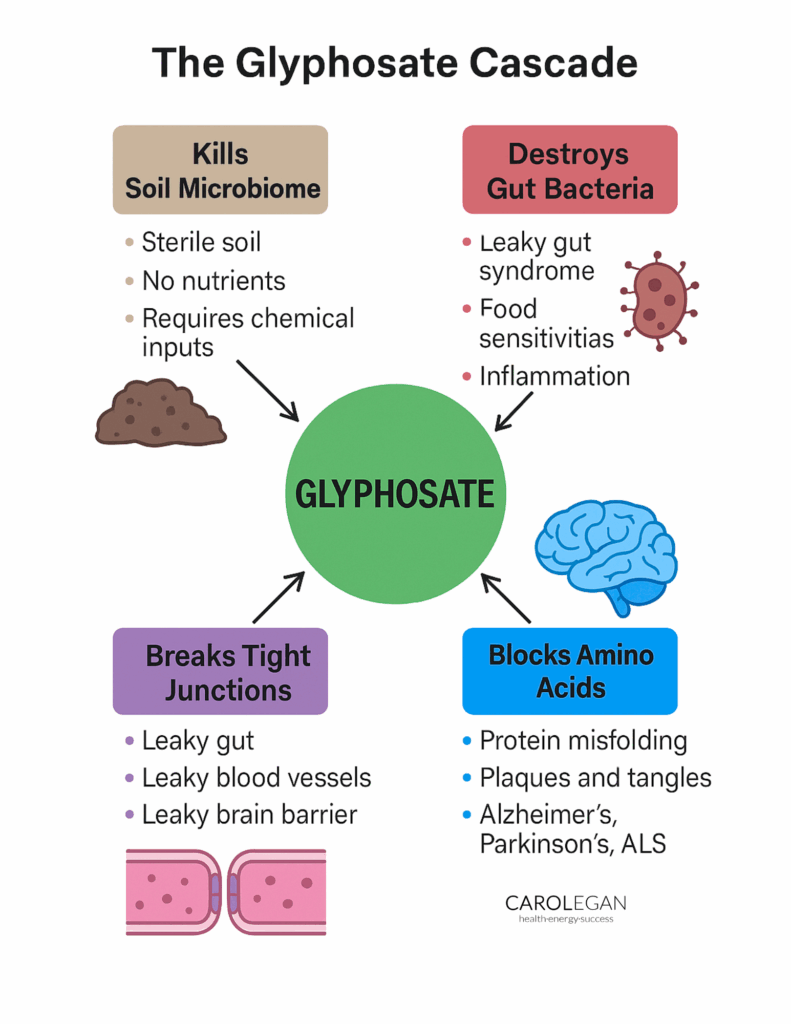
OK, so here’s what’s been happening. Since the 1970s, we’ve been dumping this herbicide called glyphosate (it’s in Roundup) all over our farmland. Like, billions of pounds every year. And it doesn’t just kill weeds – it’s basically an antibiotic that kills off all the good microbes in soil.

But here’s the part that really gets me (at least for this article, because the loss of microbial diversity in our gut is perhaps one of the single most impactful challenges of our time): glyphosate also binds up minerals in the soil so plants can’t even access them. So, the tomato you’re eating? The spinach? They’re growing in dead, mineral-depleted dirt.

No wonder you need supplements. But then we take this mineral-starved situation and think dumping 1000mg of sodium chloride is going to fix it. Your brain is already spending most of its energy trying to balance minerals – why would you want to overwhelm that whole system?

What Actually Works (And Why I Had This All Wrong)

So, I’ve been thinking about all this in a different way. Instead of these massive doses, what if we just… worked with what our bodies are already trying to do?

Put some good sea salt in your water. Himalayan, desert salt, whatever – just not the processed stuff. You basically just made the same thing hospitals put in IV bags. Turns out water needs an electrical charge to actually get into your cells properly.

Then there’s this thing called cell salts that I’ve been taking and recommending to my clients. They’re these tiny doses – like homeopathic tiny – that somehow communicate with your cells without overwhelming them. Mag Phos when I get muscle cramps, Kali Phos when I’m stressed and can’t sleep. Jackson’s makes them the old way, amber bottles, no weird, can’t-pronounce-them additives.

But honestly, the real issue keeps coming back to soil. I’ve always been that person hitting up farmers markets, buying local and organic. I thought I had this figured out. But I’m learning there’s organic (which is basically “we don’t spray bad stuff”) and then there’s regenerative, which is actually rebuilding the life in soil.

I’m still trying to figure out which farmers around here are doing what. Like, are they just avoiding chemicals, or are they actually putting biology back into their dirt? Because that’s where the minerals come from – not the rock, but the living system that makes minerals available to plants.

Your Body Isn’t the Problem

Look, your cells have been handling this mineral thing just fine for a really long time. They don’t need you forcing mega-doses on them. They need gentle signals and – wait for it – access to food that actually has minerals in it.

I used to grab those LMNT packets because it made me feel like I had everything covered. Check, got my minerals, I’m good (Holla, immediate gratification mentality)! But that’s not really how healthy accorind to nature works. It’s like putting a Band-Aid on something that needs actual healing.

The real peace of mind? It’s knowing where your food comes from and whether the soil it grew in is actually alive.

Start with salt in your water – that’s easy. Try the cell salts thing if you want something more precise. But then start having different conversations with your farmers. Not just “is this organic?” but “how’s your soil biology? What are you doing to rebuild it?”

Your cells aren’t broken. They’re just trying to work with food that doesn’t have what it used to have. And honestly, feeling good shouldn’t require this much supplementation. When you stop fighting your body and start supporting the systems that are supposed to be feeding it properly, things get simpler.

That’s what I’m figuring out anyway.

Love it? Share it!

  • Share on Facebook (Opens in new window) Facebook
  • Share on X (Opens in new window) X
  • Share on Pinterest (Opens in new window) Pinterest
  • Share on LinkedIn (Opens in new window) LinkedIn
  • Share on Tumblr (Opens in new window) Tumblr
  • Share on Reddit (Opens in new window) Reddit
  • Print (Opens in new window) Print
  • Email a link to a friend (Opens in new window) Email

Filed Under: Uncategorized

When Food Stops Making Sense (And What I’m Eating Now Anyway)

By cegan

I’ve supported hundreds of clients through the maze of modern nutrition. I’ve seen the confusion, the burnout, the decision fatigue that comes from trying to do it all “right.”

I’ve also lived it.

I’ve been vegan. I’ve been pseudo-vegan. I’ve eaten clean, raw, high-vibe, high-protein, grain-free, gluten-free, and, yes, once upon a time, tofu on toast.

These days, what’s most true is this: it’s noisy out there. And the food conversation is filled with too many rules and not enough wisdom.

Everyone’s asserting what they think is best. And while much of it is well-intentioned, very little of it addresses the deeper issue: We are biologically overwhelmed and environmentally outpaced. And the gut is where it’s showing up first.

The Mitochondria Moment

After nearly 15 years of eating vegan, by choice, by alignment, and by what felt best at the time, I was told, through a form of muscle testing I trust, that my mitochondria were struggling. Brain. Heart. Skeletal muscle. The message was clear: my cellular engines were running low.

The suggestion? Eat animal protein.

I didn’t jump in carelessly. But I also didn’t ignore it.

So I began. I added meat back in slowly, intentionally, as a therapeutic measure.

And while it tasted fine, it didn’t feel fine. Not in my gut. Not in my energy. Not in the deeper intelligence I’ve come to know and trust. My digestion slowed. My energy dropped. And somewhere in me, I knew: This doesn’t feel quite right for me.

Then I heard triple-board certified doctor Zach Bush say…

“Eat in ways that nourish the microbiome.”

And that, that landed.

Because it wasn’t just a nutritional opinion. It was a systems-level truth. A reset point. A way to zoom out from protein wars and macro arguments and ask something better:

What supports life?

Nourishing the microbiome isn’t a trend or a rule or a moral stance. It’s foundational.

It’s where immunity begins. Where inflammation resolves. Where cognition, mood, balance, and metabolism originate. It’s also how we respond to the rising tide of environmental toxins, stressors, and gut disruptors that none of us are exempt from.

If toxins are damaging the gut, and they are, then feeding life back into the gut becomes vital.

The Soil–Gut Connection

What’s more, the more I understand the gut (and I’ve studied gut health more than anything else in my career), the more I see how deeply it mirrors the soil.

Healthy soil. Healthy food. Healthy gut. Healthy mind.

It’s one ecosystem, “As above, so below.”

A depleted field creates depleted food, which creates a depleted microbiome, which creates a depleted human. It’s all connected.

What I Know Now

There is no one perfect diet. But there is a perfect direction: toward life. Toward nourishment. Toward repair. Toward microbial diversity.

I believe deeply in the wisdom of plants.

I believe animal products, when regeneratively raised and intentionally used, can be supportive for some, and even therapeutic.

I believe healing isn’t ideological; it’s rooted in biology, context, and lived experience.

And I believe we heal when we nourish our inner ecosystem, our microbiome, with the richness and diversity it needs to thrive.

With farmers markets in full swing again, I find myself picking up plants I’ve never tried, each one like a new microbial friend for my gut, feeding the biodiversity that keeps me steady in a not-so-clean world.

Because diversity really is the point. Our inner ecosystem thrives on it, ideally containing 20,000 to 30,000 different bacterial species. The more diverse our microbiome, the more resilient we become, metabolically, emotionally, and immunologically.

This clarity is my compass.

So What Am I Eating Now?

These days, I lean plant-first. I avoid gluten because of what I’ve learned about its relationship to glyphosate and gut permeability. When we consume foods sprayed with glyphosate, like most conventional wheat, it can disrupt our gut’s tight junctions, letting things leak into the bloodstream that were never meant to get through.

I incorporate occasional animal foods, but more as targeted support than as dietary staples.

Here are five meals I’ve loved lately. Not prescriptions, just possibilities to consider:

Gut-Nourishing Simplicity

  • Warm bowl of lentils, quinoa, sautéed dandelion greens, garlic, and olive oil
  • Side of fermented  kimchi (or vegetables)
  • Herbal tea with lemon balm and ginger

Microbiome Rainbow

  • Big salad: arugula, cabbage, cucumber, radish, sprouts, avocado
  • Olive oil + apple cider vinegar dressing
  • Lentil sprouts + hemp hearts
  • Optional: 3 oz of wild-caught sardines, salmon, or smoked trout

Regenerative Bowl

  • Wild rice (or quinoa, or millet) with roasted squash, kale, and chickpeas
  • Coconut yogurt, cumin, and cilantro drizzle
  • Side of fermented sauerkraut

Earth-to-Table

  • Garden soup with nettles, parsley, leeks, zucchini, and fresh herbs
  • Flaxseed crackers with hummus
  • Optional: poached pasture-raised egg

Rooted & Restorative

  • Buckwheat noodles in sesame oil, scallions, and broccoli
  • Crushed nori + sesame seeds
  • Ginger-lemon kombucha

What Makes Sense for My Body Now

I eat like someone who’s deep in relationship with her body, curious, adaptive, attuned, and reverent.

If you’re in the middle of your own food crossroads, I hope this gives you permission to tune out the noise and tune in to what actually nourishes you.

You’re not doing it wrong. You’re learning to listen.

And that’s not a detour, it’s the path.

In the end, I’m not just feeding my body. I’m choosing coherence, between what I know, what I feel, and what the Earth is asking of us now.

Love it? Share it!

  • Share on Facebook (Opens in new window) Facebook
  • Share on X (Opens in new window) X
  • Share on Pinterest (Opens in new window) Pinterest
  • Share on LinkedIn (Opens in new window) LinkedIn
  • Share on Tumblr (Opens in new window) Tumblr
  • Share on Reddit (Opens in new window) Reddit
  • Print (Opens in new window) Print
  • Email a link to a friend (Opens in new window) Email

Filed Under: Uncategorized

Chronic Symptoms and the Inner Terrain: Why the Body Stops Healing and How to Begin Again

By cegan

Artwork credit: Erda Estremera

If your body keeps signaling something’s wrong, but no test can explain it, this is for you.

Think of your body as a garden.

Not metaphorically, but structurally, functionally, and biologically. A working comparison.

A garden doesn’t need perfection. It needs balance. Rich soil. Diverse organisms. A watchful gardener to prune, nourish, and respond.

The Terrain Within

Your body operates the same way. The microbiome is your soil; it’s alive, relational, and intricately networked. The immune system is your gardener; it’s discerning, adaptive, and deeply attuned. When the terrain is in balance and intact, the whole system self-regulates. Homeostasis is natural. Defense isn’t needed. Health is stable.

But disturb the soil, and the system shifts.

The Disruptors

Industrial chemicals, pesticides, radioactive elements, and heavy metals disrupt the inner terrain like runoff into farmland. To start, these toxins disrupt pH, wipe out beneficial microbes, block nutrient absorption, interfere with healthy digestion, and punch holes in the gut wall. And they don’t just “sit” in tissues; they rewire microbial behavior, disrupt the whole ecosystem, and signal systemic breakdown.

When Microbes Shift

Bacteria change form and function, which scientists call pleomorphism. What was once commensal shifts toward pathogenic, and they don’t attack blindly; they respond to environmental stressors. These pathogenic bacteria become cleaners, in a sense, degrading the preponderance of toxins. But in the process, they escalate inflammation, destabilize balance, and create space for more aggressive organisms.

Parasites Arrive

Parasites are part of this progression. Cestodes, nematodes, trematodes, they don’t arrive by accident. Their presence matches the toxic burden. High toxic load, high parasitic presence. They’re decomposers in an imbalanced ecosystem. But they don’t come quietly.

Parasites release metabolites, chemical signals that hijack immune messaging. As TH2 ramps up, immune signals, those sharp, biochemical messengers the body sends, flood the system with cytokines like IL-4, IL-5, IL-13, and IgE. The immune response shifts from focused defense to system-wide overreaction.

Immune Confusion

When TH2 dominates, TH1 dips. This means cellular defense weakens. Immune weakens. Regulation falters. Allergic reactions spike. Mast cells overfire. The terrain becomes chaotic. The gardener loses signal. What was once in balance becomes chaotic.

This isn’t dysfunction. It’s adaptation to a poisoned terrain.

The Way Forward

And it has a solution: restore the soil.

Begin by opening the ‘exit’ pathways. Drainage must be open to clear toxins and pathogens. The lymph, liver, kidneys, drainage must be open. If elimination is stagnant, healing is stuck. You don’t push the body harder; you open drainage pathways. You help the body remember how to clear what doesn’t belong.  

Then, the parasites, pathogens, and toxins must be removed; no shortcuts, no immediate gratification, surface fixes, but removed. Because they don’t just occupy space, but bioaccumulate in the body. They degrade it. They suppress mitochondrial and energy function, interfere with natural detoxification processes, cause hormonal imbalance, and confuse the immune system.

Healing Follows Nature’s Pace

This is terrain, root cause medicine. Steady, patient, systemic. Not a quick fix, but an intentional process.

As the terrain resets, the internal ecosystem recalibrates. Bacteria re-diversify. Mitochondria fire back up. immune system is no longer reactive; it starts to listen and respond again, not just react. And the body does what it’s always known how to do: regenerate.

You don’t hack health. You restore it. Tend the soil, and the whole body thrives.

Love it? Share it!

  • Share on Facebook (Opens in new window) Facebook
  • Share on X (Opens in new window) X
  • Share on Pinterest (Opens in new window) Pinterest
  • Share on LinkedIn (Opens in new window) LinkedIn
  • Share on Tumblr (Opens in new window) Tumblr
  • Share on Reddit (Opens in new window) Reddit
  • Print (Opens in new window) Print
  • Email a link to a friend (Opens in new window) Email

Filed Under: Uncategorized

The Missing Question in Hormone Treatment: What’s Poisoning the System?

By cegan

Christina sits across from me, exhausted. Despite eating clean and exercising religiously, she’s gaining weight. Her hair is thinning, and she barely recognizes herself anymore.

Her labs show low T3, and her previous doctor’s solution was simple: prescribe thyroid hormone.

But here’s what that approach missed entirely.

Hormone imbalance is a response, not a root cause. It reflects deeper dysfunction—often involving toxins, infections, or compromised detoxification pathways. Any assessment that stops at hormone levels without asking why they’re off is incomplete.

Consider Christina’s case. T3 conversion depends on selenium, optimal cell, gut and liver function, and the absence of toxicity. Without assessing these key factors, the pharmaceutical might bump her numbers but won’t restore her health. This is managing lab values, not healing.

She told me she’d already tried three different thyroid medications. Each time, slight improvement followed by crashing. The pattern was telling.

Root causes often trace back to what we’re exposed to daily. Cadmium binds to estrogen receptors. BPA and phthalates make hormone receptors less responsive. Glyphosate and other pesticides disrupts how the body manufactures hormones. These exposures accumulate silently, long before symptoms appear.

Christina’s toxin testing revealed the smoking gun: BPA levels five times the normal range.

She was stunned. No industrial exposures, no obvious sources. But then we mapped her daily routine: coffee in the same reusable plastic travel mug for years, microwaving lunch in plastic containers, drinking from plastic water bottles during workouts.

The constant, low-level exposure had been invisible.

BPA doesn’t just disrupt hormones. It makes thyroid receptors less responsive, like trying to unlock a door with a key that’s slightly bent. The hormone is there, but the cells can’t use it properly. This explains why thyroid medication kept failing her.

Then there are the biological hijackers that compound the problem.

Parasites like Blastocystis trigger inflammation that disrupts brain-endocrine communication. Toxoplasma alters neurotransmitter production and shifts cortisol regulation. Common, but missed without proper testing and assessment.

Christina also had Candida overgrowth, likely triggered by her compromised system. The fungus produced additional toxins, further burdening her already-struggling liver.

When detoxification pathways fail, hormones accumulate instead of being cleared. The body becomes a backed-up drain.

This is what conventional hormone testing misses. Looking at numbers while ignoring root causes and the intricate system they operate within guarantees incomplete treatment, and years of struggle. It’s why patients like Christina go from doctor to doctor, accumulating prescriptions with no answers.

Root cause medicine asks different questions:

  • What’s poisoning the system?
  • What infections are present?
  • Can the liver actually process what our body is exposed to?

Christina’s treatment didn’t start with hormone pharmaceuticals. We started by eliminating all plastic exposure to glass and stainless steel only. We looked for and removed all sources of additional endocrine disruptors. We opened her detox pathways through targeted liver support, restored cellular energy production, and addressed her gut infections. Eight months later, her thyroid began functioning normally. No medication needed.

Her exhaustion lifted. Her hair regrew. Her weight normalized.

This is the difference between suppressing symptoms and actual healing. Between managing disease and restoring health.

Christina recently sent me a photo from her daughter’s graduation. She’s glowing, not just healthy, but fully present in her life again. That’s what happens when you treat the person, not just the labs. It takes longer than a prescription. But real healing always does.

“The doctor of the future will give no medicine, but will interest his patients in the care of the human frame, in diet, and in the cause and prevention of disease.”  ~Thomas Edison

Love it? Share it!

  • Share on Facebook (Opens in new window) Facebook
  • Share on X (Opens in new window) X
  • Share on Pinterest (Opens in new window) Pinterest
  • Share on LinkedIn (Opens in new window) LinkedIn
  • Share on Tumblr (Opens in new window) Tumblr
  • Share on Reddit (Opens in new window) Reddit
  • Print (Opens in new window) Print
  • Email a link to a friend (Opens in new window) Email

Filed Under: Uncategorized

  • « Previous Page
  • 1
  • 2
  • 3
  • 4
  • 5
  • …
  • 38
  • Next Page »

Search & You Shall Find

Topics

  • Environmental Toxins
  • Gut Issues & Bloating
  • Headaches, Brain Fog & Focus
  • Health Hacks
  • Mind-Body-Spirit Connection
  • Protein and Real Food Nutrition
  • Recipes
  • Root Cause
  • Start Here
  • Success Stories

DOWNLOAD YOUR FREE GUIDE

GET ON THE WAITLIST NOW!

FREE DETOX TIPS IN YOUR INBOX

As Seen In:

Forbes Huffington Post Better Connecticut Bella Mia Magazine Boston News Network Blog Talk Radio

Carol Egan – Heal Your Digestion to Heal Your Life

  • Facebook
  • Pinterest
  • Twitter

Let’s Talk About Health

I work with accomplished professionals who want to look and feel as healthy as they are successful. They spent years prioritizing success over health, and are now troubled by excess weight, exhaustion, and foggy thinking at work and home. I help them take control of their health, so they can focus on what matters in their life and career.

Schedule Your Call

Copyright © 2026 by Carol Egan · Privacy Policy · Disclaimer· Terms and Conditions