Carol Egan

  • About
  • Detox Tools
  • Speaking
  • Coaching
  • Results
  • Articles
  • Resources
  • Shop
  • Contact

When Illness Interrupts the Plan

By cegan

I work as a Clinical Advisor for CellCore Biosciences, where I spend my days researching how environmental chemicals and toxins disrupt the human body. It’s like watching a horror film stitched into a high-speed action reel; one part devastating, one part revolutionary.

It’s exciting work. Empowering. I get to help people connect the dots between their symptoms and the toxins in their body. I wouldn’t trade what I do for anything, albeit very distressing at times.

But that’s not why I started this journey.

When Life Doesn’t Follow the Script

The ancient Vedic tradition describes four natural life stages: Brahmacharya (student phase), Grihastha (householder years), Vanaprastha (reflection time), and Sannyasa (spiritual focus). It’s a beautiful progression, a roadmap for a life well-lived, in the ideal.

My life had other plans.

During what should have been my student years, that crucial time for learning and growing, illness hijacked this script. My brain felt stuffed with cotton. I couldn’t eliminate waste efficiently. Chronic yeast infections, UTIs, cystic acne, bloating, gas, allergies and so much more… They became my constant companions that demanded all attention.

No doctor could tell me why.

While my peers were charting their paths in the world, my world contracted to the size of my symptoms. Instead of learning about my chosen field, I was learning about gut permeability. Instead of developing career skills, I was developing an intimate relationship with my body’s distress signals.

I felt derailed. Off-course.

The Detour That Wasn’t

But what if I wasn’t falling behind at all? What if this wasn’t a detour, but the exact path I needed to walk?

Looking back now, I see that illness didn’t steal my student years; illness was my education. My body became my greatest teacher. The desperation to understand why I felt so sick opened doors to worlds I never would have discovered otherwise.

Growing up in a small town with its own ideas, I might have lived my entire life within those comfortable boundaries. Illness forced me beyond them. It pushed me to question everything: What we eat. How we live. What we accept as “normal.”

Turns out, chronic illness didn’t steal my life, it gave me one I’d never even imagined possible.

Your Body Is Speaking

Here’s what I’ve learned after years of studying environmental toxicology: Your body is not your enemy.

When you can’t think clearly, your brain isn’t being lazy, it’s being poisoned by toxins that cross the blood-brain barrier.

When you can’t eliminate properly, it’s not solely your diet, it’s being damaged by chemicals that destroy the microbiome and gut wall.

When you have chronic infections and inflammation, your immune system isn’t overreacting, it’s overwhelmed by a toxic load it was never designed to handle.

Your symptoms aren’t normal because they’re common. They’re red flags your body is waving because something needs attention.

They’re your body saying: “Something is wrong. I need your help.”

The Soul’s Course Correction

The more I study both ancient wisdom and modern science, the more I see they’re pointing to the same truth: Chronic illness is often the soul’s way of course-correcting our lives.

It’s asking us: How are you living in alignment with the laws of nature? What needs to change for you to become who you’re meant to be?

Sometimes we’re so caught up in the momentum of what we think our lives should look like that we miss the subtle nudges our body sends our way. But the nudges will get louder, until finally, our body forces us to stop and listen.

What if our illness isn’t a hardship, but an invitation?

An invitation to reassess. To recalibrate. To realign with something deeper than the plan we thought we were supposed to follow.

Questions Worth Asking

  • What do we gain when we accept illness as a messenger, even a friend, rather than an enemy?
  • How might our greatest breakdowns become our most powerful breakthrough?
  • What do we lose if we ignore our body’s early signals instead of heeding its call?

If you’re reading this while struggling with chronic symptoms that doctors can’t explain, while feeling like your body is nothing but a burden, know this:

Your body is doing exactly what it should do when something needs to change.

You’re being called to something deeper. Something that will ultimately serve not just your healing, but your growth.

Sometimes the path to who we’re meant to become requires a complete disruption of who we thought we were supposed to be.

Sometimes illness is the soul’s way of saying: “There’s more for you than this. Let me show you the way.”


This is Part 1 of a 3-part series on chronic illness as spiritual invitation. Read the full series:

Part 1: When Illness Interrupts the Plan (you are here)
Part 2: Why Physical Healing Comes First
Part 3: When You Feel Your Best, You Get to Choose
Love it? Share it!

  • Share on Facebook (Opens in new window) Facebook
  • Share on X (Opens in new window) X
  • Share on Pinterest (Opens in new window) Pinterest
  • Share on LinkedIn (Opens in new window) LinkedIn
  • Share on Tumblr (Opens in new window) Tumblr
  • Share on Pocket (Opens in new window) Pocket
  • Share on Reddit (Opens in new window) Reddit
  • Print (Opens in new window) Print
  • Email a link to a friend (Opens in new window) Email

Filed Under: Uncategorized

Raw Beet Salad with Avocado, Parsley & Mint

By cegan

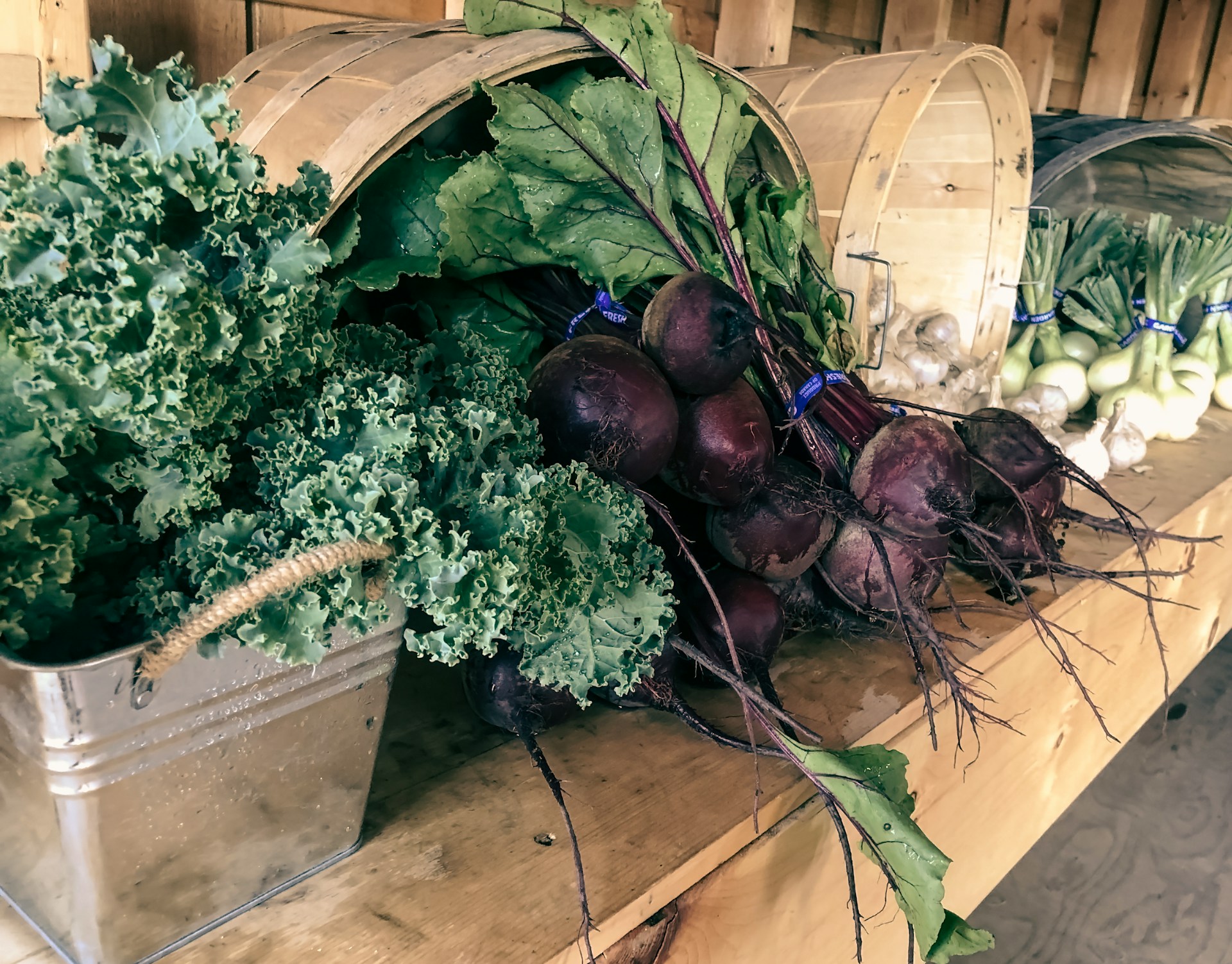
When my local farmer’s market had a glorious surplus of beets last weekend, I knew it was the universe nudging me to create something special. Beets are one of my all-time favorite vegetables, and one of nature’s most underrated superfoods. Rich in betalains, the antioxidant pigments that give beets their deep magenta hue and that support detoxification and cellular repair, beets are basically nature’s version of a detox app = they support liver function, reduce oxidative stress, and help our body clear out what it doesn’t need, with no subscription required!

They’re also incredibly grounding, grown deep in the earth, beets help us feel more rooted and calm, especially when eaten raw. Keeping them uncooked preserves their vibrant “life force” vitality, full of live enzymes, essential minerals, and a kind of energy we can actually feel! This simple yet elegant salad is my ode to Mother Nature, roots, connected, and full of life.

Recipe

Ingredients

  • 1 pound raw beets, peeled and thinly sliced with a mandolin

  • 1 ripe avocado, diced, sliced, or smashed

  • 1 tablespoon fresh parsley, finely chopped

  • 1 tablespoon fresh mint leaves, finely chopped

  • 2 tablespoons balsamic vinegar

  • 1 tablespoon extra-virgin olive oil

  • 1–2 teaspoons freshly squeezed lemon juice (optional but recommended for the brightness if adds!)

  • 2 teaspoons Dijon mustard

  • 1 large garlic clove, sliced crushed or finely minced (for steeping only)

  • ¼ teaspoon sea salt (plus more to taste)

  • ⅛ teaspoon freshly ground black pepper

Instructions

  1. Make the dressing:
    In a small bowl, mix balsamic vinegar, olive oil, Dijon mustard, lemon juice (if using), salt, pepper, and the crushed garlic. Let steep for 10+ minutes, then remove and discard the garlic.

  2. Dress the beets:
    Place sliced beets in a large bowl. Pour over the garlic-infused dressing and toss gently to coat. Let marinate for 10–15 minutes, or longer.

  3. Assemble the salad:
    Arrange the dressed beets on a serving platter or shallow bowl. Top with parsley, mint, and freshly diced avocado.

  4. Serve immediately to enjoy the avocado at its best.

Whether you’re beet-curious or a lifelong lover like me, this salad is a delicious way to stay rooted, radiant, and refreshed. Sometimes the simplest ingredients, straight from the ground are the ones that nourish us best, in all ways!

Enjoy!

Love it? Share it!

  • Share on Facebook (Opens in new window) Facebook
  • Share on X (Opens in new window) X
  • Share on Pinterest (Opens in new window) Pinterest
  • Share on LinkedIn (Opens in new window) LinkedIn
  • Share on Tumblr (Opens in new window) Tumblr
  • Share on Pocket (Opens in new window) Pocket
  • Share on Reddit (Opens in new window) Reddit
  • Print (Opens in new window) Print
  • Email a link to a friend (Opens in new window) Email

Filed Under: Recipes, Uncategorized

Why Your $3 Electrolyte Packets Aren’t Working

By cegan

Regarding this whole hydration thing, you’re likely trying to do everything right. Chugging electrolyte packets, timing your minerals perfectly, following every hydration hack. But you still feel drained after workouts, get afternoon crashes, and wake up reaching for more supplements.

The problem isn’t your approach. It’s that we’ve basically destroyed the mineral content of our food.

We’re Trying to Supplement Our Way Out of Something Much Bigger

OK, so here’s what’s been happening. Since the 1970s, we’ve been dumping this herbicide called glyphosate (it’s in Roundup) all over our farmland. Like, billions of pounds every year. And it doesn’t just kill weeds – it’s basically an antibiotic that kills off all the good microbes in soil.

But here’s the part that really gets me (at least for this article, because the loss of microbial diversity in our gut is perhaps one of the single most impactful challenges of our time): glyphosate also binds up minerals in the soil so plants can’t even access them. So, the tomato you’re eating? The spinach? They’re growing in dead, mineral-depleted dirt.

No wonder you need supplements. But then we take this mineral-starved situation and think dumping 1000mg of sodium chloride is going to fix it. Your brain is already spending most of its energy trying to balance minerals – why would you want to overwhelm that whole system?

What Actually Works (And Why I Had This All Wrong)

So, I’ve been thinking about all this in a different way. Instead of these massive doses, what if we just… worked with what our bodies are already trying to do?

Put some good sea salt in your water. Himalayan, desert salt, whatever – just not the processed stuff. You basically just made the same thing hospitals put in IV bags. Turns out water needs an electrical charge to actually get into your cells properly.

Then there’s this thing called cell salts that I’ve been taking and recommending to my clients. They’re these tiny doses – like homeopathic tiny – that somehow communicate with your cells without overwhelming them. Mag Phos when I get muscle cramps, Kali Phos when I’m stressed and can’t sleep. Jackson’s makes them the old way, amber bottles, no weird, can’t-pronounce-them additives.

But honestly, the real issue keeps coming back to soil. I’ve always been that person hitting up farmers markets, buying local and organic. I thought I had this figured out. But I’m learning there’s organic (which is basically “we don’t spray bad stuff”) and then there’s regenerative, which is actually rebuilding the life in soil.

I’m still trying to figure out which farmers around here are doing what. Like, are they just avoiding chemicals, or are they actually putting biology back into their dirt? Because that’s where the minerals come from – not the rock, but the living system that makes minerals available to plants.

Your Body Isn’t the Problem

Look, your cells have been handling this mineral thing just fine for a really long time. They don’t need you forcing mega-doses on them. They need gentle signals and – wait for it – access to food that actually has minerals in it.

I used to grab those LMNT packets because it made me feel like I had everything covered. Check, got my minerals, I’m good (Holla, immediate gratification mentality)! But that’s not really how healthy accorind to nature works. It’s like putting a Band-Aid on something that needs actual healing.

The real peace of mind? It’s knowing where your food comes from and whether the soil it grew in is actually alive.

Start with salt in your water – that’s easy. Try the cell salts thing if you want something more precise. But then start having different conversations with your farmers. Not just “is this organic?” but “how’s your soil biology? What are you doing to rebuild it?”

Your cells aren’t broken. They’re just trying to work with food that doesn’t have what it used to have. And honestly, feeling good shouldn’t require this much supplementation. When you stop fighting your body and start supporting the systems that are supposed to be feeding it properly, things get simpler.

That’s what I’m figuring out anyway.

Love it? Share it!

  • Share on Facebook (Opens in new window) Facebook
  • Share on X (Opens in new window) X
  • Share on Pinterest (Opens in new window) Pinterest
  • Share on LinkedIn (Opens in new window) LinkedIn
  • Share on Tumblr (Opens in new window) Tumblr
  • Share on Pocket (Opens in new window) Pocket
  • Share on Reddit (Opens in new window) Reddit
  • Print (Opens in new window) Print
  • Email a link to a friend (Opens in new window) Email

Filed Under: Uncategorized

When Food Stops Making Sense (And What I’m Eating Now Anyway)

By cegan

I’ve supported hundreds of clients through the maze of modern nutrition. I’ve seen the confusion, the burnout, the decision fatigue that comes from trying to do it all “right.”

I’ve also lived it.

I’ve been vegan. I’ve been pseudo-vegan. I’ve eaten clean, raw, high-vibe, high-protein, grain-free, gluten-free, and, yes, once upon a time, tofu on toast.

These days, what’s most true is this: it’s noisy out there. And the food conversation is filled with too many rules and not enough wisdom.

Everyone’s asserting what they think is best. And while much of it is well-intentioned, very little of it addresses the deeper issue: We are biologically overwhelmed and environmentally outpaced. And the gut is where it’s showing up first.

The Mitochondria Moment

After nearly 15 years of eating vegan, by choice, by alignment, and by what felt best at the time, I was told, through a form of muscle testing I trust, that my mitochondria were struggling. Brain. Heart. Skeletal muscle. The message was clear: my cellular engines were running low.

The suggestion? Eat animal protein.

I didn’t jump in carelessly. But I also didn’t ignore it.

So I began. I added meat back in slowly, intentionally, as a therapeutic measure.

And while it tasted fine, it didn’t feel fine. Not in my gut. Not in my energy. Not in the deeper intelligence I’ve come to know and trust. My digestion slowed. My energy dropped. And somewhere in me, I knew: This doesn’t feel quite right for me.

Then I heard triple-board certified doctor Zach Bush say…

“Eat in ways that nourish the microbiome.”

And that, that landed.

Because it wasn’t just a nutritional opinion. It was a systems-level truth. A reset point. A way to zoom out from protein wars and macro arguments and ask something better:

What supports life?

Nourishing the microbiome isn’t a trend or a rule or a moral stance. It’s foundational.

It’s where immunity begins. Where inflammation resolves. Where cognition, mood, balance, and metabolism originate. It’s also how we respond to the rising tide of environmental toxins, stressors, and gut disruptors that none of us are exempt from.

If toxins are damaging the gut, and they are, then feeding life back into the gut becomes vital.

The Soil–Gut Connection

What’s more, the more I understand the gut (and I’ve studied gut health more than anything else in my career), the more I see how deeply it mirrors the soil.

Healthy soil. Healthy food. Healthy gut. Healthy mind.

It’s one ecosystem, “As above, so below.”

A depleted field creates depleted food, which creates a depleted microbiome, which creates a depleted human. It’s all connected.

What I Know Now

There is no one perfect diet. But there is a perfect direction: toward life. Toward nourishment. Toward repair. Toward microbial diversity.

I believe deeply in the wisdom of plants.

I believe animal products, when regeneratively raised and intentionally used, can be supportive for some, and even therapeutic.

I believe healing isn’t ideological; it’s rooted in biology, context, and lived experience.

And I believe we heal when we nourish our inner ecosystem, our microbiome, with the richness and diversity it needs to thrive.

With farmers markets in full swing again, I find myself picking up plants I’ve never tried, each one like a new microbial friend for my gut, feeding the biodiversity that keeps me steady in a not-so-clean world.

Because diversity really is the point. Our inner ecosystem thrives on it, ideally containing 20,000 to 30,000 different bacterial species. The more diverse our microbiome, the more resilient we become, metabolically, emotionally, and immunologically.

This clarity is my compass.

So What Am I Eating Now?

These days, I lean plant-first. I avoid gluten because of what I’ve learned about its relationship to glyphosate and gut permeability. When we consume foods sprayed with glyphosate, like most conventional wheat, it can disrupt our gut’s tight junctions, letting things leak into the bloodstream that were never meant to get through.

I incorporate occasional animal foods, but more as targeted support than as dietary staples.

Here are five meals I’ve loved lately. Not prescriptions, just possibilities to consider:

Gut-Nourishing Simplicity

  • Warm bowl of lentils, quinoa, sautéed dandelion greens, garlic, and olive oil
  • Side of fermented  kimchi (or vegetables)
  • Herbal tea with lemon balm and ginger

Microbiome Rainbow

  • Big salad: arugula, cabbage, cucumber, radish, sprouts, avocado
  • Olive oil + apple cider vinegar dressing
  • Lentil sprouts + hemp hearts
  • Optional: 3 oz of wild-caught sardines, salmon, or smoked trout

Regenerative Bowl

  • Wild rice (or quinoa, or millet) with roasted squash, kale, and chickpeas
  • Coconut yogurt, cumin, and cilantro drizzle
  • Side of fermented sauerkraut

Earth-to-Table

  • Garden soup with nettles, parsley, leeks, zucchini, and fresh herbs
  • Flaxseed crackers with hummus
  • Optional: poached pasture-raised egg

Rooted & Restorative

  • Buckwheat noodles in sesame oil, scallions, and broccoli
  • Crushed nori + sesame seeds
  • Ginger-lemon kombucha

What Makes Sense for My Body Now

I eat like someone who’s deep in relationship with her body, curious, adaptive, attuned, and reverent.

If you’re in the middle of your own food crossroads, I hope this gives you permission to tune out the noise and tune in to what actually nourishes you.

You’re not doing it wrong. You’re learning to listen.

And that’s not a detour, it’s the path.

In the end, I’m not just feeding my body. I’m choosing coherence, between what I know, what I feel, and what the Earth is asking of us now.

Love it? Share it!

  • Share on Facebook (Opens in new window) Facebook
  • Share on X (Opens in new window) X
  • Share on Pinterest (Opens in new window) Pinterest
  • Share on LinkedIn (Opens in new window) LinkedIn
  • Share on Tumblr (Opens in new window) Tumblr
  • Share on Pocket (Opens in new window) Pocket
  • Share on Reddit (Opens in new window) Reddit
  • Print (Opens in new window) Print
  • Email a link to a friend (Opens in new window) Email

Filed Under: Uncategorized

Chronic Symptoms and the Inner Terrain: Why the Body Stops Healing and How to Begin Again

By cegan

Artwork credit: Erda Estremera

If your body keeps signaling something’s wrong, but no test can explain it, this is for you.

Think of your body as a garden.

Not metaphorically, but structurally, functionally, and biologically. A working comparison.

A garden doesn’t need perfection. It needs balance. Rich soil. Diverse organisms. A watchful gardener to prune, nourish, and respond.

The Terrain Within

Your body operates the same way. The microbiome is your soil; it’s alive, relational, and intricately networked. The immune system is your gardener; it’s discerning, adaptive, and deeply attuned. When the terrain is in balance and intact, the whole system self-regulates. Homeostasis is natural. Defense isn’t needed. Health is stable.

But disturb the soil, and the system shifts.

The Disruptors

Industrial chemicals, pesticides, radioactive elements, and heavy metals disrupt the inner terrain like runoff into farmland. To start, these toxins disrupt pH, wipe out beneficial microbes, block nutrient absorption, interfere with healthy digestion, and punch holes in the gut wall. And they don’t just “sit” in tissues; they rewire microbial behavior, disrupt the whole ecosystem, and signal systemic breakdown.

When Microbes Shift

Bacteria change form and function, which scientists call pleomorphism. What was once commensal shifts toward pathogenic, and they don’t attack blindly; they respond to environmental stressors. These pathogenic bacteria become cleaners, in a sense, degrading the preponderance of toxins. But in the process, they escalate inflammation, destabilize balance, and create space for more aggressive organisms.

Parasites Arrive

Parasites are part of this progression. Cestodes, nematodes, trematodes, they don’t arrive by accident. Their presence matches the toxic burden. High toxic load, high parasitic presence. They’re decomposers in an imbalanced ecosystem. But they don’t come quietly.

Parasites release metabolites, chemical signals that hijack immune messaging. As TH2 ramps up, immune signals, those sharp, biochemical messengers the body sends, flood the system with cytokines like IL-4, IL-5, IL-13, and IgE. The immune response shifts from focused defense to system-wide overreaction.

Immune Confusion

When TH2 dominates, TH1 dips. This means cellular defense weakens. Immune weakens. Regulation falters. Allergic reactions spike. Mast cells overfire. The terrain becomes chaotic. The gardener loses signal. What was once in balance becomes chaotic.

This isn’t dysfunction. It’s adaptation to a poisoned terrain.

The Way Forward

And it has a solution: restore the soil.

Begin by opening the ‘exit’ pathways. Drainage must be open to clear toxins and pathogens. The lymph, liver, kidneys, drainage must be open. If elimination is stagnant, healing is stuck. You don’t push the body harder; you open drainage pathways. You help the body remember how to clear what doesn’t belong.  

Then, the parasites, pathogens, and toxins must be removed; no shortcuts, no immediate gratification, surface fixes, but removed. Because they don’t just occupy space, but bioaccumulate in the body. They degrade it. They suppress mitochondrial and energy function, interfere with natural detoxification processes, cause hormonal imbalance, and confuse the immune system.

Healing Follows Nature’s Pace

This is terrain, root cause medicine. Steady, patient, systemic. Not a quick fix, but an intentional process.

As the terrain resets, the internal ecosystem recalibrates. Bacteria re-diversify. Mitochondria fire back up. immune system is no longer reactive; it starts to listen and respond again, not just react. And the body does what it’s always known how to do: regenerate.

You don’t hack health. You restore it. Tend the soil, and the whole body thrives.

Love it? Share it!

  • Share on Facebook (Opens in new window) Facebook
  • Share on X (Opens in new window) X
  • Share on Pinterest (Opens in new window) Pinterest
  • Share on LinkedIn (Opens in new window) LinkedIn
  • Share on Tumblr (Opens in new window) Tumblr
  • Share on Pocket (Opens in new window) Pocket
  • Share on Reddit (Opens in new window) Reddit
  • Print (Opens in new window) Print
  • Email a link to a friend (Opens in new window) Email

Filed Under: Uncategorized

The Missing Question in Hormone Treatment: What’s Poisoning the System?

By cegan

Christina sits across from me, exhausted. Despite eating clean and exercising religiously, she’s gaining weight. Her hair is thinning, and she barely recognizes herself anymore.

Her labs show low T3, and her previous doctor’s solution was simple: prescribe thyroid hormone.

But here’s what that approach missed entirely.

Hormone imbalance is a response, not a root cause. It reflects deeper dysfunction—often involving toxins, infections, or compromised detoxification pathways. Any assessment that stops at hormone levels without asking why they’re off is incomplete.

Consider Christina’s case. T3 conversion depends on selenium, optimal cell, gut and liver function, and the absence of toxicity. Without assessing these key factors, the pharmaceutical might bump her numbers but won’t restore her health. This is managing lab values, not healing.

She told me she’d already tried three different thyroid medications. Each time, slight improvement followed by crashing. The pattern was telling.

Root causes often trace back to what we’re exposed to daily. Cadmium binds to estrogen receptors. BPA and phthalates make hormone receptors less responsive. Glyphosate and other pesticides disrupts how the body manufactures hormones. These exposures accumulate silently, long before symptoms appear.

Christina’s toxin testing revealed the smoking gun: BPA levels five times the normal range.

She was stunned. No industrial exposures, no obvious sources. But then we mapped her daily routine: coffee in the same reusable plastic travel mug for years, microwaving lunch in plastic containers, drinking from plastic water bottles during workouts.

The constant, low-level exposure had been invisible.

BPA doesn’t just disrupt hormones. It makes thyroid receptors less responsive, like trying to unlock a door with a key that’s slightly bent. The hormone is there, but the cells can’t use it properly. This explains why thyroid medication kept failing her.

Then there are the biological hijackers that compound the problem.

Parasites like Blastocystis trigger inflammation that disrupts brain-endocrine communication. Toxoplasma alters neurotransmitter production and shifts cortisol regulation. Common, but missed without proper testing and assessment.

Christina also had Candida overgrowth, likely triggered by her compromised system. The fungus produced additional toxins, further burdening her already-struggling liver.

When detoxification pathways fail, hormones accumulate instead of being cleared. The body becomes a backed-up drain.

This is what conventional hormone testing misses. Looking at numbers while ignoring root causes and the intricate system they operate within guarantees incomplete treatment, and years of struggle. It’s why patients like Christina go from doctor to doctor, accumulating prescriptions with no answers.

Root cause medicine asks different questions:

  • What’s poisoning the system?
  • What infections are present?
  • Can the liver actually process what our body is exposed to?

Christina’s treatment didn’t start with hormone pharmaceuticals. We started by eliminating all plastic exposure to glass and stainless steel only. We looked for and removed all sources of additional endocrine disruptors. We opened her detox pathways through targeted liver support, restored cellular energy production, and addressed her gut infections. Eight months later, her thyroid began functioning normally. No medication needed.

Her exhaustion lifted. Her hair regrew. Her weight normalized.

This is the difference between suppressing symptoms and actual healing. Between managing disease and restoring health.

Christina recently sent me a photo from her daughter’s graduation. She’s glowing, not just healthy, but fully present in her life again. That’s what happens when you treat the person, not just the labs. It takes longer than a prescription. But real healing always does.

“The doctor of the future will give no medicine, but will interest his patients in the care of the human frame, in diet, and in the cause and prevention of disease.”  ~Thomas Edison

Love it? Share it!

  • Share on Facebook (Opens in new window) Facebook
  • Share on X (Opens in new window) X
  • Share on Pinterest (Opens in new window) Pinterest
  • Share on LinkedIn (Opens in new window) LinkedIn
  • Share on Tumblr (Opens in new window) Tumblr
  • Share on Pocket (Opens in new window) Pocket
  • Share on Reddit (Opens in new window) Reddit
  • Print (Opens in new window) Print
  • Email a link to a friend (Opens in new window) Email

Filed Under: Uncategorized

On Congruency

By cegan

I’ve been thinking about the word congruent lately. For the longest time, I thought it just meant following through. Did I do what I said I’d do? Check. Was I reliable? Check. But that’s not really congruency. That’s just keeping promises.

To be congruent means walking our talk, not just talking our talk. And I recently noticed something I didn’t see before.

I disconnect on weekends. I don’t check email, I don’t work, I don’t even think about work if I can help it, and definitely not on Sundays. I do this because I believe rest is sacred. I believe our relationship to Self is sacred. I believe we need time away from the noise and productivity demands that fill our days. I believe we need time away from the endless expectations of people and life itself. I believe weekends should be for restoration, not performance.

But here’s what I’ve recognized recently: I’ve been sending my newsletter every Sunday morning.

Now, I could rationalize this. I write it in advance, I schedule it, so I’m not actively working on Sunday. But the truth is simpler and more uncomfortable. Every Sunday morning, I’m landing in people’s inboxes asking them to read, think, and engage with my content. I’m asking them to do exactly what I feel is unhealthy.

That’s not congruent. That’s saying one thing and doing another.

The Greek philosopher, Epictetus, understood this: “Don’t explain your philosophy. Embody it.” That’s exactly what I wasn’t doing, albeit unwittingly. I was honoring the boundary for myself but asking others to cross it.

I realized I needed to ask: do I believe in rest for everyone, or just rest for me? Since my life’s work focuses on healthy living for everyone, being congruent about this matters. The science supports this. Our brains aren’t built to run constantly. There’s something called the default mode network that only works when we’re not focused on tasks. That’s when insight happens, when memory gets organized, when creativity emerges. Our dopamine systems need breaks from constant reward seeking. Even our ability to grow and change requires periods of quiet, not endless stimulation.

So I’m stopping. No more Sunday emails, no matter what’s happening. That’s my line.

Congruency is just another word for integrity. The kind of thing that nobody else can see, but we can feel it in our bones when it’s there, and when it’s not.

Committed time off is an invitation to remember who we are when we’re not performing or producing or proving anything to anyone.

Love it? Share it!

  • Share on Facebook (Opens in new window) Facebook
  • Share on X (Opens in new window) X
  • Share on Pinterest (Opens in new window) Pinterest
  • Share on LinkedIn (Opens in new window) LinkedIn
  • Share on Tumblr (Opens in new window) Tumblr
  • Share on Pocket (Opens in new window) Pocket
  • Share on Reddit (Opens in new window) Reddit
  • Print (Opens in new window) Print
  • Email a link to a friend (Opens in new window) Email

Filed Under: Uncategorized

Why I Switched to Distilled Water (And Why You Should Too)

By cegan

Let me cut straight to the science that changed my mind about water. After diving deep into water quality research, I’ve become convinced that distilled water is the safest choice for our health. The evidence is more compelling than you might think.



The Uncomfortable Truth About Your “Filtered” Water

Here’s what stopped me in my tracks: According to the CDC, about 7.2 million Americans get sick every year from waterborne diseases. That’s not from drinking out of puddles. That’s from our supposedly “safe” water supply.

Most of us feel secure with our water filters. I did too. But filtering water creates a false sense of security. Why? Because water contamination goes far beyond what most filters can handle.

What’s Really in Your Water

Let me share some findings that made me rethink everything about drinking water:

PFAS (Forever Chemicals): Consumer Reports tested 120 locations across the U.S. for these “forever chemicals.” They found PFAS in 118 of them. Nearly every water source tested was contaminated. These chemicals are linked to cancer, liver damage, decreased fertility, elevated cholesterol, and thyroid dysfunction. And they accumulate in your body over time.

Radioactive Elements: This one shocked me most. The Environmental Working Group found radium, a radioactive element that deposits in bones, in water supplies across all 50 states. Over 170 million Americans are drinking water with radioactive elements at levels that may increase cancer risk. Radium exposure specifically causes bone cancer, leukemia, anemia, cataracts, and kidney damage, earning it the nickname “bone seeker” because it replaces calcium in your bones. In Texas alone, 80% of the population is exposed to excessive radium levels.

Microplastics: Research shows that 98% of Americans have measurable plastic levels in their bodies. We’re literally consuming a credit card’s worth of plastic every week through various sources, including water. These particles trigger inflammation, disrupt hormones, cause oxidative stress at the cellular level, disrupt endocrine function, impair reproductive function, and may even cross the blood brain barrier.

Hidden Toxins in Fluoride: While we debate fluoride itself, here’s what most don’t know: fluorosilicic acid (used for water fluoridation) contains toxic elements like aluminum, arsenic, cadmium, lead, and even uranium as contaminants. This toxic cocktail contributes to neurological damage, kidney disease, bone disorders, various cancers, and developmental problems in children. These effects go far beyond dental concerns.

Why Filters Fall Short

Here’s the critical insight: filters deteriorate over time. They use physical barriers that eventually break down. What they remove on day one, they might not remove on day 100.

Even high end, branded name filters show concerning limitations. Testing revealed they only achieve 97 to 99% reduction of radioactive elements. That sounds good until you realize that means 1 to 3% is still getting through. With radioactive materials, even trace amounts matter.

Carbon filters can’t differentiate between “good” minerals and toxins. They discriminate based on size, not content. And those manufacturer claims? They’re typically based on optimal conditions with brand new filters.

The Distillation Difference

Water distillation works on a completely different principle: phase change. Water turns to steam, leaving contaminants behind. This process is:

Consistent: Unlike filters, distillation removes the same contaminants the millionth time as the first time

Comprehensive: Lab tests show 99.8 to 99.99% removal rates for serious contaminants like uranium, cesium, and glyphosate

Natural: It mimics Earth’s water cycle of evaporation and condensation

The only exception? Volatile organic compounds (VOCs) that evaporate with water. But quality distillers address this with vented cooling systems and carbon post filters.

Addressing the Mineral Myth

“But don’t we need minerals from water?” This question comes up constantly. Here’s the truth: the minerals in water are inorganic and poorly absorbed. You get vastly more bioavailable minerals from food.

Dr. Charles Mayo, co founder of the Mayo Clinic, put it bluntly: “Water hardness (inorganic minerals in solution) is the underlying cause of many, if not all, of the diseases resulting from poisons in the intestinal tract.”

My Personal Protocol

I use a countertop water distiller that produces about 0.8 gallons every 3.5 hours. My brothers tease me relentlessly about making “Rolls Royce water” whenever they visit, but my clients absolutely love seeing this setup in action. They get it. To optimize the water, I add trace minerals designed for restructuring water. But these are organic, bioavailable minerals, not the inorganic deposits found in tap water.

For daily intake, I follow the formula of half my body weight in ounces, plus extra for exercise and detox protocols.

The Bottom Line

After reviewing the evidence, the choice became clear. With water quality continuing to decline and new contaminants constantly emerging, distillation offers the most reliable protection. It’s not about paranoia. It’s about making an informed choice based on compelling science.

Yes, a quality distiller is an investment. But compared to the potential health costs of consuming radioactive elements, forever chemicals, and microplastics daily? It’s one of the smartest investments you can make for your long term health.

The question isn’t whether our water is contaminated. The data clearly shows it is. The question is: what are we going to do about it?

Love it? Share it!

  • Share on Facebook (Opens in new window) Facebook
  • Share on X (Opens in new window) X
  • Share on Pinterest (Opens in new window) Pinterest
  • Share on LinkedIn (Opens in new window) LinkedIn
  • Share on Tumblr (Opens in new window) Tumblr
  • Share on Pocket (Opens in new window) Pocket
  • Share on Reddit (Opens in new window) Reddit
  • Print (Opens in new window) Print
  • Email a link to a friend (Opens in new window) Email

Filed Under: Uncategorized

What the Body Carries

By cegan

“Sometimes the greatest invitation to awaken is the experience of being lost.” ~John O’Donohue

To understand why I do this work, I wrote down every symptom I could remember from the years I was very sick.

Bloating, gas, belching, and nausea; bouts of diarrhea alternating with chronic constipation; recurring yeast and urinary tract infections; increasing food sensitivities, chronic allergies, congestion and coughing, and uncontrollable cravings for sugar and carbs; swollen lymph nodes, itchy skin, irregular periods, PMS, cold hands and feet, deep fatigue even after a full night’s sleep, and hypothyroidism; thinning hair, sensitivity to light, sound, scent, and crowds; a constant state of disconnection from my body, difficulty concentrating, poor to no memory, and a perpetual state of overwhelm; irrational fears, irritability, mood swings, hyper-vigilance, restless to no sleep, and a shattered nervous system; dark circles under my eyes, white, pasty, colorless skin, painful cystic acne on my face, yellowish, jaundiced skin on my body… and seizure-like episodes that left me unable to walk or speak for three to ten days at a time.

Every symptom had its own impact. But what no one explained to me, and what I had to live to understand, is that each one ripples out into every part of life. One symptom doesn’t stay in its own lane. It might begin with digestion, but then it strains the nervous system, disturbs sleep, clouds thinking, alters decisions, and changes how we feel in our bodies and in our lives. Over time, it shapes who we believe ourselves to be.

When I was swinging between diarrhea and constipation, I didn’t trust food. I didn’t trust my body. I didn’t want to go out. I couldn’t think clearly. My anxiety was constant, mostly about losing control in front of others. I planned my day around bathrooms. I said no to invitations. I tried to smile through it, but inside I was exhausted and afraid. I stopped showing up fully in every area of my life.

When my thyroid began to slow, my energy tanked. My digestion worsened. My moods swung. I could feel the lights going dim inside me. I knew it, and I was scared. I wasn’t just scared, I was losing myself. I was losing motivation. I was losing the spark, the fire that once made me feel alive. People said I looked fine, but inside, I was falling hard.

When I couldn’t concentrate or remember what I had worked so hard to learn, I stopped trusting myself. I began questioning everything, my intelligence, my instincts, who I was, and where I belonged in the world. I avoided challenges. And in many ways, I gave up on things I wanted to do, because it all felt so impossible, so hard. I forgot names. I blanked mid-sentence. I lost track of what I was saying while I was saying it. And the silence that followed didn’t feel like confusion; it felt like shame. I was not just forgetting things. I was forgetting who I really was.

When cystic acne covered my face and the color drained from my skin, I no longer recognized the person in the mirror. I avoided cameras… and my reflection in mirrors. I shrank in rooms where I once felt so alive. It wasn’t just that I felt unattractive; it was that the face I saw no longer matched who I knew myself to be. And somewhere deep inside, I didn’t know if I’d ever find my way back to me.

That’s the part I never let anyone see. I made sure I was polished perfect, but I was completely unraveling inside. I wasn’t just sick. I was gone in ways I couldn’t explain. I became disconnected from my body, my voice, my desires, my sense of self. I didn’t even know where to begin to look for myself, because I wasn’t sure she was still there.

There was a moment in Ireland I’ll never forget. I was riding my bike through the countryside of Kincasslagh when it started to rain. And something about that rain hitting my face broke me open. I pedaled and cried because it felt like the first time I had ever really felt rain on my face. All those years trying to keep up appearances, prove my worth, and manage a body that kept breaking down, deprived me of being me. I had become so disconnected from myself that I didn’t even know what “me” meant anymore. Alone in the rain, I noticed a part of me I had stopped listening to. The rain on my face triggered a whole new level of awareness. For the first time in maybe ever, I didn’t want to hold it all together. I wanted to feel it all, even if it hurt.

These moments wouldn’t, couldn’t look like much to anyone else. But for me, those moments in the rain marked a turning point I would never return from.

I turned away from the world and outside answers and began listening within. I needed to make sense of what had happened to me, not just the symptoms, but the ways they shaped everything about me. I let the questions live in me until the answers and meaning behind the struggles my symptoms and experiences caused me surfaced.

I discovered that every symptom wasn’t remotely random. Each one was a sacred messenger, a kind of Holy way shower, and by listening to the lessons each offered, I gained a deeper understanding of who I am, what truly matters to me, and how all I learned are the gifts I must share.

I came to understand what no doctor, no specialist, no medical team ever told me: our bodies are carrying a toxic burden far beyond what they were ever meant to hold. I realized that any diagnosis not rooted in this truth misses the deeper cause. Environmental chemicals, pathogens, heavy metals, and hidden infections hadn’t just shut my body down; they had shaped my entire life and altered my every sense of self. They disrupted my digestion, my hormones, my brain, and my nervous system in far-reaching ways.

I also came to understand that feeling our best is never just about diet. Or stress. Or aging. Or healthy lifestyle habits. It’s about everything we’re exposed to that no one talks about, and how the body, in its wisdom, tries to carry it all until it just can’t.

Once I saw this, I couldn’t unsee it.

I became a health coach, a clinical advisor, a researcher, and an educator, not to build a career, but to follow the thread that pulled me back to life. Once I found that thread, I could not turn away. To turn away would have been a kind of betrayal, of myself, of all I had learned, of the truth forged in fire.

I do this work because I remember what it’s like to lose your way. To forget who you are. And I know what it asks of us to find the way back.

This work isn’t about chasing symptoms. It’s about coming home. About helping others return to the place in themselves that was never broken, only buried beneath the toxic burdens of our modern world.

This return is the quiet labor of the soul. And it is the deepest work I know.

Love it? Share it!

  • Share on Facebook (Opens in new window) Facebook
  • Share on X (Opens in new window) X
  • Share on Pinterest (Opens in new window) Pinterest
  • Share on LinkedIn (Opens in new window) LinkedIn
  • Share on Tumblr (Opens in new window) Tumblr
  • Share on Pocket (Opens in new window) Pocket
  • Share on Reddit (Opens in new window) Reddit
  • Print (Opens in new window) Print
  • Email a link to a friend (Opens in new window) Email

Filed Under: Uncategorized

Stillness Does Not Starve Me, It Feeds Me

By cegan

“When you lose touch with inner stillness, you lose touch with yourself. When you lose touch with yourself, you lose yourself in the world.”

~Eckhart Tolle, Stillness Speaks

Most everyone we know will tell us what they think is best for us, what they think we should do, what they think we should think, who they think we should be.

But the older I get, the more I understand just how sacred time really is. One of the blessings of no longer being young is how fiercely I protect what I once gave away too easily—time, space, and quiet.

Yesterday, over lunch, I told my brother: “My primary goal on Sundays is to spend a good part of it alone, in quiet, to talk to no one and to go nowhere.”

What I didn’t say—but what I know—is that without this time, I begin to lose touch with me. I fall back into the habit of heeding what others think is best, instead of listening for what Life is trying to show me.

When I give myself the gift of unstructured time—time not filled with tasks or to-dos, I feel different in my body. I can almost sense the shift physically, like a widening inside. The should-I’s begin to quiet: should I do laundry, should I clean the bathroom, should I research that thing I’m excited about?

Somewhere along the way I heard someone say, “Listen to the quiet,” and it stayed with me. Byron Katie’s words echo here: You are not breathing. You are being breathed. And I think of Carl Sagan’s Pale Blue Dot at the same time, how everything we know exists on this one suspended speck of light in a sunbeam. We are part of something infinitely bigger than our next project. And in the stillness, I feel that again.

The texture of the quiet feels like wide open space. Spacious in a way that breathes, like it’s alive. Like I’m meeting someone else entirely—but that someone is me. Not the doing-machine version of me, the one who moves from effort to effort. But the one who’s always with me, waiting beneath it all.

And the truth is, when I don’t take time to be alone and quiet, I can regress back into other people’s momentum. Their needs, their growth agendas, their urgency, their plans,… and their neurosis. And when I do that, I can’t hear my own voice. I can’t feel my own rhythm.

The cost of not listening to my soul is that I forget what I know. I lose confidence in my ideas. I can’t trust my creativity because it never had space to take form. I can’t trust myself because I never gave myself the time to listen, to know, to just be with me. That’s the erosion: not dramatic, but daily. A slow fading of my voice beneath the noise of everyone else’s.

But when I do listen—when I create even just a few hours of silence, it’s not stifling. It’s energizing. The quiet is not the absence of life, but the ground where life grows. Ideas come. Energy stirs. It’s like a homecoming. The world says self-care is something to do, but when I stop doing, that’s when confidence and self-love find me. That’s when clarity and direction return. Stillness doesn’t starve me, it feeds me.

I remember walking my dog one night when I lived in Boston. I looked up at the stars and started crying. The words came out of my mouth before I even knew I was thinking them: I can’t do what they think is best for me any longer. In that moment, the weight of living by someone else’s compass broke, and I began to find my own.

These days, I honor something like a Sabbath. Sometimes it’s a whole day. Sometimes it’s half. And every day, I carve out even just a little bit of time to go within. To meditate, to pray, to sit in the silence. These practices have changed me. They have shaped the way I speak, the way I act, the way I lead. From that space, I move differently, more grounded, less reactive. And oddly, more powerful.

Once, I let an opportunity go. I didn’t cling to it. I didn’t force it to work or make anyone wrong. I just let it pass. And then, not long after, I was offered something I never saw coming, bigger, more aligned, more impactful. It reminded me of a story Marianne Williamson tells in A Return to Love: an actor was desperate to land a role on Hill Street Blues. But had he gotten it, he would’ve missed the lead role that became his breakthrough. Sometimes we cling to something small and good, and miss the extraordinary that’s wanting to unfold.

Looking back, I say, Nothing was wrong. It was all perfect. I gave my time away easily, not because I was weak, but because I was still learning what alignment feels like. Without all those years, I wouldn’t know how to listen to my own voice now. The distance from myself wasn’t a detour; it was how I came to cherish the way home.

As Kahlil Gibran writes, “The deeper that sorrow carves into your being, the more joy you can contain.”

And I’ll leave you with this from Thomas Merton. Because if there’s a single passage that names the truth of what I’ve lived, and what I now protect, it’s this:

“There is a pervasive form of contemporary violence … [and that is] activism and overwork. The rush and pressure of modern life are a form, perhaps the most common form, of its innate violence… To surrender to too many demands… to want to help everyone in everything, is to succumb to violence… It destroys our own inner capacity for peace… It kills the root of inner wisdom which makes work fruitful.”

I want my work to be fruitful.
But I now know the root is silence.

Love it? Share it!

  • Share on Facebook (Opens in new window) Facebook
  • Share on X (Opens in new window) X
  • Share on Pinterest (Opens in new window) Pinterest
  • Share on LinkedIn (Opens in new window) LinkedIn
  • Share on Tumblr (Opens in new window) Tumblr
  • Share on Pocket (Opens in new window) Pocket
  • Share on Reddit (Opens in new window) Reddit
  • Print (Opens in new window) Print
  • Email a link to a friend (Opens in new window) Email

Filed Under: Uncategorized

  • « Previous Page
  • 1
  • 2
  • 3
  • 4
  • 5
  • …
  • 37
  • Next Page »

Search & You Shall Find

Topics

  • Environmental Toxins
  • Gut Issues & Bloating
  • Headaches, Brain Fog & Focus
  • Health Hacks
  • Mind-Body-Spirit Connection
  • Protein and Real Food Nutrition
  • Recipes
  • Root Cause
  • Start Here
  • Success Stories

DOWNLOAD YOUR FREE GUIDE

GET ON THE WAITLIST NOW!

FREE DETOX TIPS IN YOUR INBOX

As Seen In:

Forbes Huffington Post Better Connecticut Bella Mia Magazine Boston News Network Blog Talk Radio

Carol Egan – Heal Your Digestion to Heal Your Life

  • Facebook
  • Pinterest
  • Twitter

Let’s Talk About Health

I work with accomplished professionals who want to look and feel as healthy as they are successful. They spent years prioritizing success over health, and are now troubled by excess weight, exhaustion, and foggy thinking at work and home. I help them take control of their health, so they can focus on what matters in their life and career.

Schedule Your Call

Copyright © 2026 by Carol Egan · Privacy Policy · Disclaimer· Terms and Conditions