
Carol Egan

  • About
  • Detox Tools
  • Speaking
  • Coaching
  • Results
  • Articles
  • Resources
  • Shop
  • Contact

Exhausted and Out of Sync? The Hidden Role of Atrazine in Hormonal Chaos

By cegan

Image by Erzebet S: Endocrine gland, endocrine system, epithelial components of a submandibular gland lobule aac, hormones, blood.

Exhausted for No Reason? It’s Not You, It’s the World

You’re showing up every day—eating clean, staying active, getting your eight hours. By all accounts, you should feel great. But you don’t. Your energy is gone, your hormones are all over the place, and your body feels… stuck.

What’s really going on?

Here’s the truth no one talks about: we’re surrounded by invisible disruptors. Atrazine, a common herbicide, is one of them. It’s in the water we drink, the food we eat, even the air we breathe. And it doesn’t just sit there—it takes over. Messing with your energy, scrambling your hormones, and slowing down your body’s natural ability to heal.

Amanda’s Story

Amanda came to me feeling defeated—exhausted, irregular cycles, and a sense that her body had betrayed her. Doctors couldn’t find anything wrong. But her body wasn’t lying. Atrazine was there, hijacking her system, one tiny disruption at a time.

She didn’t need another plan or another pill. She needed to clear what didn’t belong. Once she did, everything changed. Her energy returned. Her cycles stabilized. She felt like herself again.

What’s in Your Way?

Healing doesn’t come from doing more—it comes from doing less. Less overwhelm. Less noise. Less of what your body doesn’t need.

When we stop letting toxins like atrazine take over, we create space for the body to do what it’s always been capable of: healing, thriving, and powering through.

Take One Step

You don’t have to fix it all today. Just begin.

  • Drink clean, distilled water.
  • Add something simple, like a cup of dandelion tea, to show your liver some love.
  • Get outside. A little sunlight can go a long way.

Big shifts start with small steps. What’s one thing you can clear today to create more space for thriving tomorrow?

Love it? Share it!

  • Share on Facebook (Opens in new window) Facebook
  • Share on X (Opens in new window) X
  • Share on Pinterest (Opens in new window) Pinterest
  • Share on LinkedIn (Opens in new window) LinkedIn
  • Share on Tumblr (Opens in new window) Tumblr
  • Share on Reddit (Opens in new window) Reddit
  • Print (Opens in new window) Print
  • Email a link to a friend (Opens in new window) Email

Filed Under: Uncategorized

The Quiet Power of Healing: The Vagus Nerve, the Cell-Danger Response, and Your Path to Wellness

By cegan

Your body is always working to keep you safe. When something stressful happens—whether it’s emotional, physical, or triggered by toxins and pathogens—your cells sound the alarm, signaling your body to switch into defense mode. This is known as the cell-danger response (CDR), where your body halts regular processes like digestion and repair to focus all its energy on the immediate stressor.

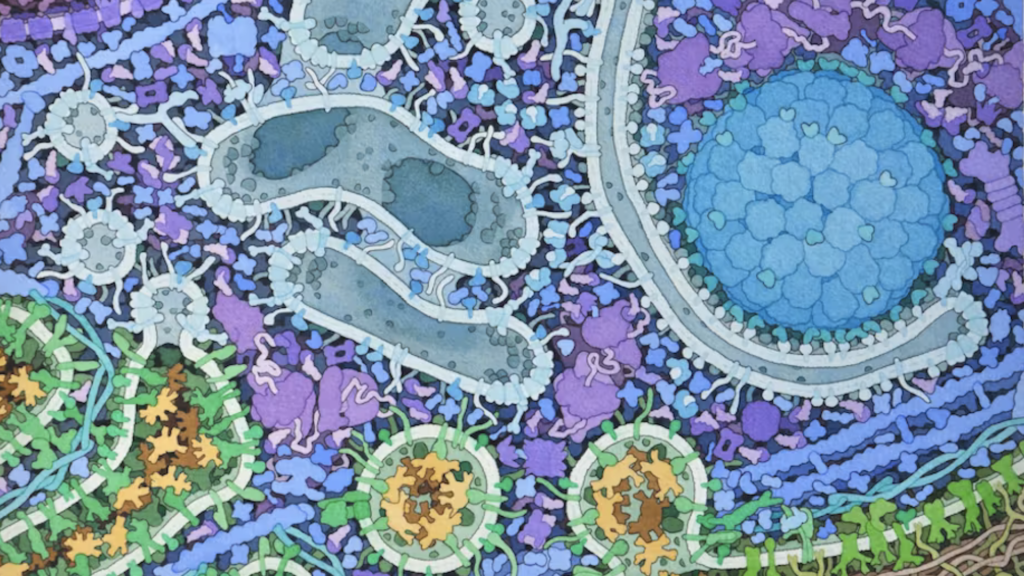
This system is lifesaving in the short term, but when it gets stuck in constant stress mode, it can cause inflammation, low energy, and chronic health problems. Healing can feel out of reach when your body thinks it’s still under threat.

The key to helping your body feel safe again lies with a little-known nerve that runs through your whole body: the vagus nerve.

The Science: The Vagus Nerve and the Cell-Danger Response

The vagus nerve connects your brain to your heart, lungs, gut, and other important organs. It’s a critical part of your parasympathetic nervous system, which is responsible for rest, repair, and digestion—what we think of as the “calm” state.

When the cell-danger response is triggered, your body goes into “fight or flight” mode: your heart beats faster, digestion slows, and inflammation ramps up. The vagus nerve is like a reset button that tells your body when it’s safe to calm down and start healing again.

But here’s the catch: the vagus nerve doesn’t just impact stress and digestion. It also plays a direct role in managing inflammation, supporting mental health, and connecting the brain and gut. When stress is constant—whether due to an unhealthy diet, unresolved trauma, or toxic exposures—the vagus nerve can lose its tone, making it harder for your body to regulate inflammation, stabilize mood, or maintain a balanced gut microbiome. This interconnectedness makes vagal health integral to overall wellness.

Practical Steps: Resetting Your Body’s Calm Mode

The good news is that there are simple, everyday ways to support your vagus nerve and help your body heal. These steps also enhance other areas of your health by addressing inflammation, mental well-being, and gut health simultaneously. Here’s how you can start:

  1. Breathe deeply.
    Slow, deep breathing is one of the fastest ways to calm your nervous system. Try breathing in for five seconds and out for five seconds, focusing on filling your belly as you inhale. This practice not only improves vagal tone but also lowers blood pressure and reduces inflammation over time.
  2. Use cold exposure.
    Splashing cold water on your face or ending your shower with a burst of cold water can activate the vagus nerve and help your body relax. Cold exposure has also been shown to improve mental clarity and reduce inflammatory markers in the body.
  3. Make sound (My favorite!).
    Singing, humming, or chanting stimulates the vagus nerve and encourages relaxation. These simple activities calm the nervous system and improve oxygen flow to the brain, enhancing focus and mood.
  4. Support your gut health.
    The vagus nerve and gut are closely linked, so nourishing this connection is key. Eating fiber-rich foods, staying hydrated, and adding fermented foods like yogurt or sauerkraut can improve digestion, reduce bloating, and enhance communication between the gut and brain.
  5. Connect with others.
    Acts of kindness, gratitude, and meaningful interactions with others can improve vagal tone. These moments also release oxytocin, the “bonding hormone,” which reduces stress and supports emotional well-being.
  6. Try gentle movement.
    Yoga, tai chi, and mindful walking activate the vagus nerve while promoting better posture and circulation. These activities help regulate your immune response, making them especially beneficial for managing inflammation.

A Simple Reminder

Healing doesn’t have to be complicated. In nurturing the vagus nerve through simple, intentional acts, we access the body’s quiet power to restore itself—a reminder that profound change begins with the smallest steps. By calming the nervous system, we create the space needed for repair and growth. And because the vagus nerve connects so many systems, each step toward better vagal tone creates a ripple effect, enhancing digestion, mental clarity, emotional balance, and reducing inflammation.

Each breath you take, each moment of connection, and each small step you choose brings you closer to well-being. Healing is a process, but it’s also a reminder of your body’s incredible ability to recover when given the right support. And that’s something we can all take hope in.

Love it? Share it!

  • Share on Facebook (Opens in new window) Facebook
  • Share on X (Opens in new window) X
  • Share on Pinterest (Opens in new window) Pinterest
  • Share on LinkedIn (Opens in new window) LinkedIn
  • Share on Tumblr (Opens in new window) Tumblr
  • Share on Reddit (Opens in new window) Reddit
  • Print (Opens in new window) Print
  • Email a link to a friend (Opens in new window) Email

Filed Under: Uncategorized

Simple Ingredients, Big Health Impacts

By cegan

There’s quiet power in small, consistent, intentional choices. Ever feel like your body needs a reset when you wake up? One of my favorite ways to kick off the day—and keep it steady—is with this simple, warm, cleansing drink: lemon water and Bragg’s Apple Cider Vinegar (ACV).

I know it seems simple, even benign. But sometimes, simple is exactly what we need. This drink has been a game-changer for me and my clients. It supports digestion, energy, and overall balance in an effortless way. Here’s the recipe:

Morning Lemon and Apple Cider Vinegar Drink

Ingredients:

  • 1 cup (8 oz) warm, distilled water (not boiling)
  • Juice of half a lemon (approximately 1 tablespoon)
  • 1–2 teaspoons raw, unfiltered apple cider vinegar (with “the mother”—Bragg’s is my favorite)
  • Optional: A pinch of ground cinnamon or a drizzle of raw honey

Instructions:

  1. Prepare Your Water: Warm the water to a comfortable drinking temperature—warm, not hot, to preserve the nutrients.
  2. Squeeze the Lemon Juice: Cut a fresh lemon and squeeze the juice into the water, straining seeds as needed.
  3. Add the Apple Cider Vinegar: Start with 1 teaspoon of ACV if you’re new to it; increase to 2 teaspoons as you adjust.
  4. Customize (Optional): Add cinnamon for its anti-inflammatory benefits or honey for a touch of sweetness.
  5. Mix and Sip: Stir well and drink on an empty stomach, savoring the subtle tang as it prepares your body for the day.

Here’s Why This Drink Works

This warm, simple combo isn’t just a morning beverage; it’s a strategy for whole-body health. Together, lemon and ACV form a potent duo that delivers measurable benefits:

  • Supports Digestion: Aids in nutrient breakdown and absorption, reducing post-meal sluggishness.
  • Regulates Blood Sugar: Slows sugar absorption, helping prevent spikes and crashes.
  • Enhances Detoxification: Stimulates lymphatic flow and improves circulation to flush stored toxins.
  • Boosts Immunity: Rich in antioxidants that combat oxidative stress and support immune defenses.
  • Promotes Heart Health: May regulate cholesterol and encourage healthy blood pressure when combined with a healthy diet.
  • Balances Microbiome: Fosters good gut bacteria while discouraging harmful strains.
  • Skin and Glow: Calms inflammation and strengthens the gut-skin connection for a natural radiance.
  • Anti-Microbial Properties: Protects against harmful bacteria, enhancing systemic health.
  • Alkalizing Effect: Despite their acidity, they help maintain a balanced, low-inflammatory internal environment.

Hydration Meets Detoxification

Mornings are all about reset and renewal, right? While you sleep, your body’s hard at work—repairing, detoxifying, and recharging for the day ahead. That’s why starting with hydration is so important. Lemon is like a natural detox cheerleader. It’s packed with vitamin C and bioflavonoids that give your liver the boost it needs to do its job well. Plus, it supports the production of glutathione, a powerful antioxidant that helps neutralize toxins, flush out waste, and keep your system running smoothly.

Balancing Your Inner Terrain

Don’t let their tangy taste stop you—lemon and ACV work together to reduce inflammation, support a thriving gut microbiome, and promote an alkaline environment. Lemon provides bioflavonoids and vitamin C to combat oxidative stress, while ACV’s acetic acid promotes digestion and microbial balance.

Skin, Immunity, and Glow

Your skin? It’s a reflection of your inner health. When your body’s systems are balanced, your skin appears clearer, calmer, and more radiant. Lemon’s vitamin C and antioxidants combat oxidative stress, which contributes to inflammation and aging, while ACV promotes gut health by supporting beneficial bacteria. Since much of your skin’s health starts in the gut, this combination nourishes your body from the inside out—with benefits no fancy creams can provide.

Drink It Your Way

Sip it in the morning to support digestion and energize your day, or enjoy a diluted version in the afternoon for gentle detox support. The key is consistency—start small, listen to your body, and let this simple habit become a natural part of your routine.

Simple Ingredients, Big Impact

This drink may seem benign, but its power lies in repetition.  As Darren Hardy says in The Compound Effect:

Small, smart choices + consistency + time = radical difference.

Let’s raise a glass to the power of small habits with big results!

Love it? Share it!

  • Share on Facebook (Opens in new window) Facebook
  • Share on X (Opens in new window) X
  • Share on Pinterest (Opens in new window) Pinterest
  • Share on LinkedIn (Opens in new window) LinkedIn
  • Share on Tumblr (Opens in new window) Tumblr
  • Share on Reddit (Opens in new window) Reddit
  • Print (Opens in new window) Print
  • Email a link to a friend (Opens in new window) Email

Filed Under: Recipes, Uncategorized

B Vitamins: The MVPs of Your Health (and Why They Need a Little Help)

By cegan

Let me tell you something I see time and again in my work with clients: B vitamin deficiencies are stealing the spotlight in all the wrong ways. Fatigue that won’t quit. Brain fog that turns your sharp mind into mush. Metabolic misfires that leave you wondering what went wrong. Here’s the kicker: it’s not always because you’re skipping leafy greens or animal protein. Often, the real culprits are sneakier—environmental toxins, pathogenic infections, and a gut that’s under siege.

That’s why I recommend a high-quality B-complex supplement to every one of my clients. Not because it’s a magic bullet (spoiler: it’s not), but because it’s a foundational tool to fuel your body while we tackle the root causes of your health challenges.

B Vitamins: The Power Players of Your Body

Think of B vitamins as the backstage crew in the theater of your health. They’re not flashy, but without them, the show doesn’t go on. Here’s their role in your day-to-day operations:

  • Thiamine (B1): Your energy starter, fueling cells to keep you moving and thinking.
  • Riboflavin (B2) and Niacin (B3): Your cellular energy production dream team.
  • Pyridoxine (B6): The mood stabilizer, helping you make neurotransmitters like serotonin.
  • Vitamin B12: The MVP of neurological health and DNA synthesis—tricky to get if you’re vegan or vegetarian.

B vitamins are essential for energy, metabolism, and health. Yet many of us come up short because of diet, stress, or something more insidious—toxins and pathogens.

Why Your B Vitamins Need Backup

Here’s the uncomfortable truth: B vitamins are under constant attack. Environmental toxins and pathogens—like pesticides, heavy metals, mold, and parasites—don’t just mess with your health; they mess with the very systems your B vitamins rely on.

  • Gut Damage: Toxins and pathogens compromise your gut lining, causing leaky gut. Poor absorption means even a balanced diet might not be enough.

Real Talk: A client with bloating and exhaustion saw major improvements after gut healing paired with a B-complex.

  • Mitochondrial Mayhem: Your mitochondria—your body’s tiny power plants—rely on B vitamins to produce energy. Toxins damage mitochondria, making fatigue a constant companion.
  • Enzyme Hijacking: Toxins and pesticides block enzymes needed to activate and recycle B vitamins, leading to deficiencies even with adequate intake.

Real Talk: A client struggling with relentless fatigue had a breakthrough after detoxing heavy metals and supporting enzymes with targeted nutrients.

The Three Pillars: Fixing the Foundation

Supplementing with a B-complex is a great start, but it’s not the whole story. To thrive, you need to fix the foundation:

  1. Restoring Cellular Energy and Opening Drainage Pathways
    Your body needs energy and open drainage pathways to clear toxins.
    • Fuel mitochondria: I recommend CellCore Biosciences’ BC-ATP, CT-Minerals, CoQ10, and omega-3s to restore cellular energy.
    • Open the exits: TUDCA and herbal supports keep bile flowing and opening drainage pathways while humic acid escorts toxins out.
    • Replenish nutrients: A B-complex restores critical vitamins for repair and function as you remove what caused the dysfunction.
  1. Gut Repair
    Your gut is the gateway to absorbing B vitamins.
    • Restore the microbiome: Address imbalances that disrupt absorption.
    • Soothe inflammation: Use colostrum and herbs to calm and rebuild.
    • Optimize digestion: Support with diet and enzymes for better nutrient uptake.
  1. Detoxification
    Toxins don’t leave willingly—they need the right tools.
    • Binding agents like humic and fulvic acid: These act like magnets, grabbing toxins like heavy metals, pesticides, and mycotoxins and escort them out.
    • Liver-supportive nutrients like TUDCA and NAC: These clear fat-soluble toxins and power glutathione, your liver’s detox superhero.

Thiamine: A Canary in the Coal Mine

Thiamine (B1) is often the first B vitamin to become depleted when things go off balance. Fatigue, brain fog, and irritability are key signals that a deeper issue is at play. While taking B1 supplements can help, the real solution lies in addressing the root causes—removing toxins, restoring mitochondrial function, and resolving gut permeability issues often driven by pathogenic infections. This holistic approach breaks the cycle and supports long-term health.

Why I Stand By B-Complex Supplements

So, why do I always recommend a B-complex? Because it’s like a safety net for your body. It supports your systems while you tackle the deeper work. A good B-complex:

  • Covers All Your Bases: Ensures you’re not missing key B vitamins.
  • Supports Energy and Focus: Helps reverse fatigue and brain fog.
  • Bridges Dietary Gaps: Perfect for vegans, vegetarians, or anyone with a less-than-perfect diet.

But here’s the thing: supplementation only works when paired with detox and gut repair. That’s when real vitality returns.

The Bottom Line

Your body is built to thrive. B vitamins are a crucial part of that design, quietly powering your energy, mood, and metabolism. But in today’s toxin-heavy world, they need help. That’s why I recommend including a B-complex supplement—your daily insurance plan—while addressing toxins and gut health.

Because when you clear the path for your body to do what it was built to do, it doesn’t just survive. It thrives.

Love it? Share it!

  • Share on Facebook (Opens in new window) Facebook
  • Share on X (Opens in new window) X
  • Share on Pinterest (Opens in new window) Pinterest
  • Share on LinkedIn (Opens in new window) LinkedIn
  • Share on Tumblr (Opens in new window) Tumblr
  • Share on Reddit (Opens in new window) Reddit
  • Print (Opens in new window) Print
  • Email a link to a friend (Opens in new window) Email

Filed Under: Uncategorized

Returning to Rhythm: Rediscovering the Body’s Balance through Natural Glandular Support

By cegan

sea and cliff during daytime

Cliffs of Moher, Lislorkan North, County Clare, Ireland

Embracing the Body’s Innate Rhythm

After thirty-five years on synthetic thyroid medication, shifting to animal glandular supplements was more than a change in protocol—it became a return to the quiet, tenacious wisdom of Nature as it moves within. For me, this journey wasn’t simply about replacing one substance with another; it was an act of trust, a belief that with the right support, my cells, tissues and organs could remember their harmonious rhythms and interconnectedness. As poet and author John O’Donohue so beautifully said, “When we are in rhythm with our own nature, things flow and balance naturally.” Glandular supplements offered me a way to rediscover this rhythm—not with isolated components, but with a whole spectrum of nutrients, co-factors and precursors that honor the natural impulse toward coherent wholeness.

This commitment echoed my deeper understanding of health—one that suggests that wellness lies not in the suppression of symptoms, but in nurturing the very foundations of balance. Synthetic hormones, though effective in maintaining stability, bypassed my body’s own intricate feedback systems. Glandular supplements, by contrast, invited a return to wholeness, a chance to reclaim my body’s natural rhythm and restore a sense of belonging within myself. This journey became a way of rediscovering, in O’Donohue’s words, “the wisdom of rhythm.”

gray concrete cross statue

The Shift Toward Glandular Support: Nurturing the Body’s Innate Wisdom

Transitioning from synthetic thyroid medication to animal glandular supplements initiated a profound recalibration—a call to lean back into my body’s inherent intelligence. This shift was more than a physical change; it was an invitation for my body to remember itself as more than the sum of its parts. There were echoes of ancient wisdom, a sense that health and harmony had always been my body’s natural state, each cell holding a memory of equilibrium that only needed to be reawakened.

Whole-Gland Synergy: Nurturing the Body’s Natural Harmony

Synthetic hormones, for all their precision, offer a singular solution—an external supply of T4, sometimes T3, bypassing the intricate choreography of the body’s hormone production. I realized that while this medication was effective in managing symptoms, it lacked the nourishing complexity that natural glandular supplements provide. Whole-gland support offers the entire spectrum of thyroid and adrenal nutrients: T4, T3, T2, T1, calcitonin, cortisol precursors, enzymes, and cofactors. These are not isolated components but harmonics within a greater system. This is nourishment that speaks to the body’s own cadence, mirroring the thyroid’s natural rhythm and addressing not only thyroid health but the wider metabolic symphony that depends on it.

Reawakening the Body’s Natural Receptivity

There was another layer to this transition—one that went beyond supplementation and touched on the very receptivity of my cells. Over time, I have learned about the impact of endocrine disruptors found in everyday exposures—subtle, but harmful agents that alter the body’s capacity to listen to its own signals. These chemicals don’t merely interfere; they muffle the natural dialogue between cells and hormones, creating a static that silences the body’s own voice and innate processes.

By choosing glandular supplements and reducing exposure to these disruptors, I began creating the conditions for my body to tune back into its own signals. This journey—from transitioning off synthetic hormone support to embracing glandular nourishment and clearing environmental toxins, though challenging—was more than physical; it was an invitation for my cells to return to their own knowing. It reminded me that sometimes, in simplifying and clearing, we create space for the body’s own wisdom to emerge.

Metabolic Recalibration: Embracing the Mitochondria’s Quiet Power

As synthetic hormones receded, replaced by the gentle power of glandular support, my mitochondria—the body’s alchemical powerhouses—began to recalibrate. I could feel this shift on a subtle level, as if my energy was smoothing out, finding a steadier flow. These tiny organelles, central to cellular energy production, are regulated by thyroid and adrenal hormones, which support mitochondrial activity and help modulate cellular metabolism. Synthetic hormones, while beneficial, can often leave cells in a holding pattern rather than inviting the fluidity of genuine balance.

Whole-gland nutrients, by contrast, offer a natural energy that flow in harmony with my body’s cycles. This wasn’t just about symptom management; it was a journey toward energy that sustains and adapts, a rhythm I could trust without sacrificing my body’s own innate wisdom.

Building Resilience: Long-Term Adaptation and Expected Outcomes

As I leaned into natural glandular support, I began to feel a deeper, more enduring resilience. There were moments of recognition—consistent energy, an inner calm, a stable body temperature, mental clarity—that felt like milestones along this path of realignment. These weren’t just outcomes; they were reflections of a profound return to myself, a place where balance wasn’t imposed but rediscovered.

Physical signs—balanced body temperature, new hair growth, and deeper sleep—became reminders that my body was finding its own pace again. These were markers not only of adaptation but of trust, the body learning, once again, to rely on itself. By choosing this path, I was reconnecting with my body’s natural resilience, learning to trust in its capacity for self-regulation and balance. It was a path lit by science but guided by something more—the innate intelligence within each cell, waiting for the space to be heard.

Closing Reflection

In the spirit of Celtic wisdom and O’Donohue’s words, this journey was not simply a change in method; it was a return to belonging, a recovery of the “wisdom of rhythm.” I came to see that health is not something achieved through force but invited through harmony. When we are in rhythm with our nature, things do not need to be artificially relocated or restructured—“things cohere and fit according to their deeper impulse and instinct.”


Love it? Share it!

  • Share on Facebook (Opens in new window) Facebook
  • Share on X (Opens in new window) X
  • Share on Pinterest (Opens in new window) Pinterest
  • Share on LinkedIn (Opens in new window) LinkedIn
  • Share on Tumblr (Opens in new window) Tumblr
  • Share on Reddit (Opens in new window) Reddit
  • Print (Opens in new window) Print
  • Email a link to a friend (Opens in new window) Email

Filed Under: Uncategorized

Aligned or Self-Betrayal

By cegan

a body of water

We know what’s true.
Our bodies tell us. We feel it.
If it doesn’t light us up, if it doesn’t feel good, we let it go. Period.

I said yes to something recently that I didn’t realize wasn’t right for me. I thought I could handle it. I couldn’t. Stress hit like a brick, tension crept in, and soon it was everywhere—a sense of dread hanging over everything I touched. My body screamed: This isn’t right.

Ignoring that voice? It’s never worth it. It’s not just a mistake. It’s self-betrayal.

That tension? That weight? It’s there for a reason. When we ignore it, it doesn’t go away. It spreads—stress, restlessness, dis-ease.

When I finally said no, the relief was immediate. The weight lifted. Suddenly, I could focus again on what mattered.

Only do it if you love it. Only if it feels good.

Anything else chips away at us, bit by bit. Our health. Our happiness. Our lives.

We know what’s right. When we honor our truth, we thrive. We feel it—and the benefits radiate.

Love it? Share it!

  • Share on Facebook (Opens in new window) Facebook
  • Share on X (Opens in new window) X
  • Share on Pinterest (Opens in new window) Pinterest
  • Share on LinkedIn (Opens in new window) LinkedIn
  • Share on Tumblr (Opens in new window) Tumblr
  • Share on Reddit (Opens in new window) Reddit
  • Print (Opens in new window) Print
  • Email a link to a friend (Opens in new window) Email

Filed Under: Uncategorized

What Broke Me Made Me

By cegan

pathway during winterI once thought things like walking on fire with Tony Robbins would teach me everything about fearlessness and inner strength. It didn’t.

The real shift came when I stopped believing anyone else had my answers. The world’s full of people who think they know what’s best for us. But here’s the truth: No one knows what we need better than we do. I didn’t figure that out overnight. Life had to strip me down, rip apart the lies I believed—especially the one that someone else knew better than I did.

For years, I searched outside myself for strength, thinking I could find it in someone else’s formula. But that strength? It was in me the whole time. Not from walking on fire. Not from some guru. But from living through what nearly broke me—and, in many ways, did.

We can’t force our lessons. They come when we’re ready. Our strength, our heart—they grow with every experience we embrace. Especially the hard ones.

Here’s what I know: When I stop resisting—when I embrace every moment, even the ones that crush me—that’s where my real strength lies. The best of who we are? It’s already inside us. We just need to stop looking for it outside ourselves.

“The wound is the place where the Light enters you.” —Rumi

Love it? Share it!

  • Share on Facebook (Opens in new window) Facebook
  • Share on X (Opens in new window) X
  • Share on Pinterest (Opens in new window) Pinterest
  • Share on LinkedIn (Opens in new window) LinkedIn
  • Share on Tumblr (Opens in new window) Tumblr
  • Share on Reddit (Opens in new window) Reddit
  • Print (Opens in new window) Print
  • Email a link to a friend (Opens in new window) Email

Filed Under: Uncategorized

When Doing Nothing Does Everything

By cegan

closeup photo of white blanket

The Power of Doing Nothing (Yes, Really)

In a world obsessed with constant activity, we forget the power of stillness. What if our real strength isn’t in the hustle, but in the space between?

Doing nothing sounds counterintuitive—especially when we’re told to always be doing. But here’s the truth: the biggest shifts happen when we stop. When I stop, clarity shows up. Ideas rise, solutions surface, and a deeper wisdom comes through—one I can’t access when I’m always in motion. As Lao Tzu said, “By letting go, all gets done.” When I loosen my grip, things flow.

Einstein knew it too. His quiet walks weren’t idle. They were fuel for his greatest insights. Creativity dies under pressure. But it thrives when we give it space.

As the seasons change, I feel it. It’s time to slow down. This isn’t about doing nothing—it’s about making room for what’s ready to come through.

So, here’s the challenge: What if your most productive moment today is found in doing nothing? What brilliance might unfold if you just made space for it?

Love it? Share it!

  • Share on Facebook (Opens in new window) Facebook
  • Share on X (Opens in new window) X
  • Share on Pinterest (Opens in new window) Pinterest
  • Share on LinkedIn (Opens in new window) LinkedIn
  • Share on Tumblr (Opens in new window) Tumblr
  • Share on Reddit (Opens in new window) Reddit
  • Print (Opens in new window) Print
  • Email a link to a friend (Opens in new window) Email

Filed Under: Uncategorized

What’s NF-κB? (And Why It Matters for Your Health)

By cegan

padlock on metal gate during daytime

We’ve all been hearing a lot about immunity lately. But here’s something you might not know yet: NF-κB. It might look like a jumble of letters, but this little protein has a massive impact on how our bodies respond to threats—whether it’s toxins, infections, or stress.

Why NF-κB Matters. NF-κB is a key player in major health conditions—cancer, arthritis, chronic inflammation, heart disease. According to the National Cancer Institute, “NF-κB may be overactive or found in higher than normal amounts in some types of cancer cells.” In plain terms: when NF-κB is too active, it fuels cancer growth. But it doesn’t stop there—NF-κB is also tied to inflammatory conditions like asthma and autoimmune diseases like rheumatoid arthritis.

The biggest trigger? Toxins. They’re everywhere—polluted air, contaminated water, chemicals in food. They activate NF-κB, driving inflammation higher and higher. And over time? This sets the stage for serious, long-term health problems. The kind that creep in quietly until one day, they’re impossible to ignore.

But it’s not just inflammation. Toxins can also mess with our DNA, accelerating disease progression. It’s a slow erosion of health, happening beneath the surface—until one day, it’s too loud to overlook.

First step? Simple: switch to distilled water. By cutting toxins from your water, you reduce the burden on your immune system and give your body room to breathe. This isn’t some passing wellness trend. It’s a powerful move toward taking control of your health, starting with the water you drink.

Why Detox Matters. NF-κB is just one molecule, but it’s a reminder why detoxification is critical. Clearing toxins is the key to unlocking healing. It’s how we help our immune system do what it’s meant to do—keep us healthy, keep us resilient.


References

NF-κB, or Nuclear Factor kappa-light-chain-enhancer of activated B cells, is a vital protein complex that regulates immune responses, inflammation, cell growth, and survival. It remains inactive in the cytoplasm until triggered by various stimuli, such as stress, infections, and environmental factors. Once activated, NF-κB moves to the nucleus of the cell, where it binds to specific DNA sequences to promote the expression of genes involved in immune responses and inflammation. However, when NF-κB activity is dysregulated, it can lead to various diseases, including cancer, inflammatory disorders, and autoimmune diseases.

  • Liu T, Zhang L, Joo D, Sun SC. NF-κB signaling in inflammation. Signal Transduct Target Ther. 2017;2:17023. doi:10.1038/sigtrans.2017.23
  • National Cancer Institute, https://www.cancer.gov/publications/dictionaries/cancer-terms/def/nf-kb
  • Zinatizadeh MR, Schock B, Chalbatani GM, Zarandi PK, Jalali SA, Miri SR. The Nuclear Factor Kappa B (NF-kB) signaling in cancer development and immune diseases. Genes Dis. 2020;8(3):287-297. Published 2020 Jul 18. doi:10.1016/j.gendis.2020.06.005
  • Barnabei L, Laplantine E, Mbongo W, Rieux-Laucat F, Weil R. NF-κB: At the Borders of Autoimmunity and Inflammation. Front Immunol. 2021;12:716469. Published 2021 Aug 9. doi:10.3389/fimmu.2021.716469
  • Coto E, Reguero JR, Avanzas P, et al. Gene variants in the NF-KB pathway (NFKB1, NFKBIA, NFKBIZ) and risk for early-onset coronary artery disease. Immunol Lett. 2019;208:39-43. doi:10.1016/j.imlet.2019.02.007
  • Lasitha NK, Mahendra J, Selvaraj JS, Rajendran S, Sindhu K, Romi KS, Kanchana SB, Roy D. Exploring the Impact of NF-KB1 Gene Polymorphism. J Adv Zool. 2023;44(s-5):1551-1562. doi:10.17762/jaz.v44iS-5.1187.

Love it? Share it!

  • Share on Facebook (Opens in new window) Facebook
  • Share on X (Opens in new window) X
  • Share on Pinterest (Opens in new window) Pinterest
  • Share on LinkedIn (Opens in new window) LinkedIn
  • Share on Tumblr (Opens in new window) Tumblr
  • Share on Reddit (Opens in new window) Reddit
  • Print (Opens in new window) Print
  • Email a link to a friend (Opens in new window) Email

Filed Under: Uncategorized

How I Learned That Doing Less Doesn’t Mean Falling Short

By cegan

a dirt road in the middle of a forest

Time management has always been a bit of a paradox for me—the constant balancing act between doing less and worrying I’m not doing enough. But here’s what I’ve come to understand: the challenges I’ve faced have offered me an unexpected gift—gratitude. Not just a fleeting appreciation, but the kind of gratitude that brings tears to my eyes. It’s deep. It’s real. And it’s shifted the way I experience my work. It’s more than just loving what I do—it feels like a privilege, and I carry that awareness with me every day.

But it’s not just about passion for the work. Every obstacle I’ve encountered has prepared me for this moment. C.S. Lewis captured it perfectly: “Hardships often prepare ordinary people for an extraordinary destiny.” That quote resonates with my journey. It feels like I’ve been entrusted with something bigger—something with purpose. So, why stop when excellence is still within reach? Why hold back when there’s more I can give?

In The Surrender Experiment, Michael Singer reminds us to approach the work in front of us with all our heart, as if the universe itself handed it to us—because it did. That’s exactly how I see my work. It comes from a higher place, and I’m here to show up, fully, every day.

But here’s where it deepens. Michael Easter, in The Comfort Crisis, says: “The comfort we seek is often the enemy of the life we desire.” And David Goggins drives it home: “You are in danger of living a life so comfortable and soft that you will die without ever realizing your true potential.” Those words hit hard. I don’t want comfort to become my barrier. I want to stretch, push, and strive for that next level of excellence. But I also know this: it’s about balance. Hard work has to be paired with care for myself.

For me, nature brings that balance. I’m drawn to the natural rhythms—the seasons, the sunrise, the stillness of the woods. It reminds me that I’m part of something bigger. Nature refuels me and reconnects me with my purpose. It’s not about doing more—it’s about doing what truly matters.

The deeper truth? My struggle has never been about time management. It’s about the fear that doing less means I’m not tapping into my full potential. But I’ve learned that when I honor life’s natural rhythms—both in work and in rest—I align with something greater than myself. I find harmony in the ebb and flow of life.

Here’s how I’m re-centering my approach to stay grounded in what truly matters:

  1. Lean into Nature When I feel overwhelmed, I turn to nature. It anchors me, brings me into the present, and reminds me that everything has its season. In these moments of slowing down, my best ideas surface.
  2. Embrace the Pause I’m learning to let pauses happen. Instead of filling every moment, I’m creating intentional space in my schedule to reflect, recharge, and let creativity rise naturally.
  3. Prioritize What Matters It’s easy to get caught up in doing more, but I’m focusing on what truly aligns with my values and purpose. If it doesn’t serve that, it doesn’t get my time or energy.
  4. Listen to the Body My body is a wise guide. When it signals a need to slow down, I’m honoring that. Rest isn’t a sign of failure—it’s an investment in my ability to give more when it matters most.

Love it? Share it!

  • Share on Facebook (Opens in new window) Facebook
  • Share on X (Opens in new window) X
  • Share on Pinterest (Opens in new window) Pinterest
  • Share on LinkedIn (Opens in new window) LinkedIn
  • Share on Tumblr (Opens in new window) Tumblr
  • Share on Reddit (Opens in new window) Reddit
  • Print (Opens in new window) Print
  • Email a link to a friend (Opens in new window) Email

Filed Under: Uncategorized

  • « Previous Page
  • 1
  • …
  • 5
  • 6
  • 7
  • 8
  • 9
  • …
  • 38
  • Next Page »

Search & You Shall Find

Topics

  • Environmental Toxins
  • Gut Issues & Bloating
  • Headaches, Brain Fog & Focus
  • Health Hacks
  • Mind-Body-Spirit Connection
  • Protein and Real Food Nutrition
  • Recipes
  • Root Cause
  • Start Here
  • Success Stories

DOWNLOAD YOUR FREE GUIDE

GET ON THE WAITLIST NOW!

FREE DETOX TIPS IN YOUR INBOX

As Seen In:

Forbes Huffington Post Better Connecticut Bella Mia Magazine Boston News Network Blog Talk Radio

Carol Egan – Heal Your Digestion to Heal Your Life

  • Facebook
  • Pinterest
  • Twitter

Let’s Talk About Health

I work with accomplished professionals who want to look and feel as healthy as they are successful. They spent years prioritizing success over health, and are now troubled by excess weight, exhaustion, and foggy thinking at work and home. I help them take control of their health, so they can focus on what matters in their life and career.

Schedule Your Call

Copyright © 2026 by Carol Egan · Privacy Policy · Disclaimer· Terms and Conditions