Carol Egan

  • About
  • Detox Tools
  • Speaking
  • Coaching
  • Results
  • Articles
  • Resources
  • Shop
  • Contact

Water: The Secret Ingredient Your Body’s Been Craving

By cegan

Hydro Flask Wide Mouth 24oz - DrinksholicIn a world that’s always on the go, it’s wild how so many of us—myself included—have lived with low-level dehydration for years. It’s one of those things that gets overlooked, but the truth is, it can have a serious impact on your well-being. Before we even talk about detoxing or optimizing your health, there’s one fundamental thing that can’t be skipped: hydration.

Let’s take a closer look at why staying hydrated is so much more than just quenching your thirst—and how it can transform your health.

Have You Forgotten How to Feel Thirsty?

One of the biggest challenges with dehydration? We’ve lost touch with our own thirst signals. I know this firsthand. For years, I mistook thirst for hunger, reaching for snacks when my body was really crying out for water. And I’m not alone in this. A study from the Journal of the American College of Nutrition found that chronic dehydration can actually disrupt the body’s thirst mechanism (Armstrong et al., 2012). No wonder so many of us are walking around dehydrated without even knowing it.

So, what did I do? I set out to retrain my body. I committed to drinking water every hour, on the hour, for three to five days. It wasn’t easy at first. Old habits die hard, and I kept reaching for snacks out of habit. But slowly, with small, consistent sips of water, things changed. I started to feel better—more energy, sharper focus, an overall lift in my mood.

This shift reminded me just how powerful proper hydration can be. That’s why I’m sharing this with you now: sometimes, the most basic things—like staying hydrated—can lead to the biggest improvements in how we feel.

Sipping Is Better Than Chugging

Here’s something I learned along the way: drinking water isn’t just about volume. It’s about how you drink it. Chugging a huge amount of water at once doesn’t really help. In fact, it often just goes straight through you. The key is small, frequent sips throughout the day.

Research backs this up. A review article in the journal Nutrients shows that sipping water consistently helps your body absorb and retain fluids better, giving you a more sustained level of hydration (Maughan and Murray, 2019). So, instead of gulping down water in one go, try taking little sips throughout the day. You’ll feel the difference.

Hydration’s Secret Power: Detox

Here’s the cool thing: hydration isn’t just about feeling refreshed. It plays a huge role in your body’s detox process. As the saying goes, “The solution to pollution is dilution.” Drinking enough water helps flush out toxins, keeping your kidneys and liver running smoothly.

A study in the Journal of Human Nutrition and Dietetics found that proper hydration can help prevent kidney stones by diluting urine, which reduces the concentration of substances that can form stones (Negoianu and Goldfarb, 2008). Plus, your liver relies on steady hydration to maintain optimal blood flow and metabolism. Bottom line: staying hydrated is one of the simplest ways to support your body’s natural detoxification systems.

The Benefits of Staying Hydrated: Why It Matters

So, why should you care about hydration? Here are 10 compelling reasons to keep sipping:

  1. Better physical performance: Hydration improves endurance and stamina.
  2. Sharper focus: Water fuels your brain, enhancing focus and mental clarity.
  3. Improved digestion: Water helps with nutrient absorption and prevents bloating.
  4. Healthy weight management: Drinking water before meals can curb appetite.
  5. Glowing skin: Hydration gives your skin that healthy, natural glow.
  6. Temperature control: Water helps regulate your body’s internal temperature.
  7. Enhanced detox: Hydration supports your kidneys and liver in flushing out toxins.
  8. Joint protection: Water keeps your joints lubricated, reducing stiffness and pain.
  9. Heart health: Hydration keeps your blood flowing smoothly, supporting cardiovascular health.
  10. Boosted mood: Staying hydrated can improve your mood and help fight fatigue.

My Hydration Journey—and Yours

My personal journey to rehydration wasn’t always easy, but it was worth it. I learned to listen to my body, retraining it to prioritize water over mindless snacking. And the benefits? Real, tangible improvements in energy, focus, and mood.

So, here’s my advice: Start small. Carry a water bottle with you. Set reminders to drink water regularly. And, most importantly, listen to your body. It’s trying to tell you what it needs.

Taking small steps toward better hydration can lead to big results. So, are you ready to prioritize hydration and take control of your health?

Your body will thank you.


Title Suggestions:

References:

Armstrong, L. E., et al. (2012). Mild Dehydration Affects Mood in Healthy Young Women. Journal of Nutrition, 142(2), 382-388.

Maughan, R. J., & Murray, B. (2019). Hydration and Health: A Review. Nutrients, 11(10), 1-22.

Negoianu, D., & Goldfarb, S. (2008). Just Add Water. Journal of Human Nutrition and Dietetics, 21(4), 337-342.


Love it? Share it!

  • Share on Facebook (Opens in new window) Facebook
  • Share on X (Opens in new window) X
  • Share on Pinterest (Opens in new window) Pinterest
  • Share on LinkedIn (Opens in new window) LinkedIn
  • Share on Tumblr (Opens in new window) Tumblr
  • Share on Reddit (Opens in new window) Reddit
  • Print (Opens in new window) Print
  • Email a link to a friend (Opens in new window) Email

Filed Under: Uncategorized

10 Surprising Sources of Environmental Toxins You Didn’t Know About

By cegan

We live in a world where environmental toxins are everywhere—and ignoring them is no longer an option. These aren’t just hidden threats; they’re affecting your health every day in ways you might not realize. From the receipt you touch to the pan you cook on, toxins are infiltrating your life. It’s time to take action and protect yourself. Here are 10 surprising sources of toxins and, more importantly, how you can reduce your exposure starting today.
1. Receipts

Those paper receipts you handle every day? They’re coated with bisphenol-A (BPA), a known endocrine disruptor linked to infertility, obesity, and even cancer. And yes, just touching them is enough to transfer BPA into your body. It’s not a risk—it’s a reality. Opt for digital receipts whenever you can. Your health depends on it.

2. Non-Stick Pans

Non-stick pans may make cooking easier, but they’re releasing harmful toxins into the air every time you use them. Perfluorooctanoic acid (PFOA)—the chemical that gives non-stick pans their slick surface—has been linked to cancer, thyroid disease, and more. Ditch the non-stick and choose stainless steel or ceramic pans. Cooking should nourish you, not harm you.

3. Air Fresheners

Fresh air shouldn’t come with a side of toxic chemicals. Many air fresheners contain phthalates and volatile organic compounds (VOCs)—both of which can mess with your respiratory system and disrupt your hormones. Instead, use essential oils to freshen your space naturally. Clean air is what your lungs need—not a cocktail of chemicals.

4. Canned Foods

Canned foods aren’t just convenient—they’re also lined with BPA, a chemical linked to serious health problems like infertility and cancer. Don’t let a quick meal come at a long-term cost. Opt for fresh, frozen, or BPA-free canned products to keep toxins off your plate.

5. Antibacterial Soap

Triclosan—a chemical found in many antibacterial soaps—does more harm than good. It disrupts hormone function and contributes to antibiotic resistance, making you more vulnerable to illness, not less. Stick to regular soap and water for an effective, toxin-free clean.

6. Dry Cleaning

That fresh-from-the-dry-cleaner scent? It’s masking something more sinister. Perchloroethylene (PERC), used in most dry cleaning, is a carcinogen linked to dizziness, headaches, and long-term health risks. Seek out eco-friendly dry cleaners or, better yet, wash clothes at home when possible. It’s time to stop paying for convenience with your health.

7. Carpeting

Your cozy carpet could be hiding a toxic secret. Flame retardants and phthalates commonly found in carpets can leach into the air, harming your hormones and increasing cancer risk. Consider switching to natural fiber rugs or toxin-free carpeting to breathe easier in your home.

8. Plastic Water Bottles

Reusing plastic water bottles might seem like a smart eco-friendly move, but many contain BPA and other chemicals that leach into your water. Switch to stainless steel or glass water bottles to protect both your health and the planet.

9. Cleaning Products

Most cleaning products on store shelves are packed with VOCs and phthalates—chemicals that can trigger asthma, irritate your lungs, and disrupt your hormones. The good news? You don’t need them. Choose natural cleaners or make your own with safe, simple ingredients like vinegar and baking soda. Your home can sparkle without the toxins.

10. Personal Care Products

Your shampoo, lotion, and soap might be doing more harm than good. Phthalates and parabens—common ingredients in personal care products—are linked to hormone disruption and cancer. Switch to natural, toxin-free personal care products, or better yet, make your own with simple ingredients like coconut oil and essential oils.


What You Can Do Right Now

Environmental toxins aren’t just an abstract idea—they’re real, and they’re impacting your health every single day. But you have the power to make changes now. By ditching toxic products, choosing safer alternatives, and becoming more mindful of the chemicals in your environment, you’re taking critical steps to protect your well-being. Start small, but start now. Your health isn’t something to gamble with—it’s something to guard.

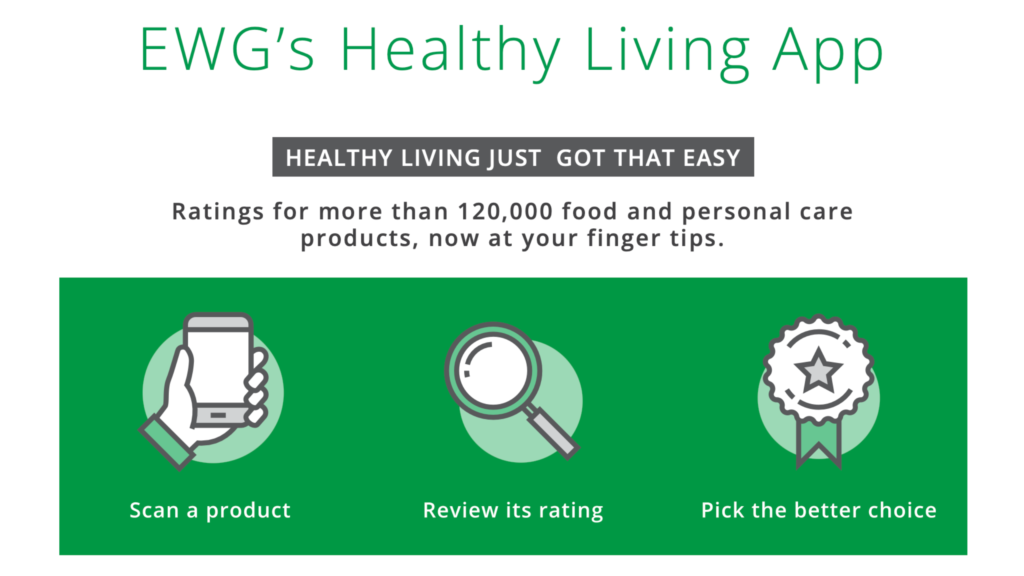
For more help identifying safer products, check out the EWG’s Healthy Living App. It’s free and will help you make smarter, healthier choices for you and your family.

Healthy Choices at Your Fingertips

Scan, review, and make better choices for over 120,000 food and personal care products—quick and easy. Click on the image to learn how to download the EWG’s free Healthy Living App today and start making informed decisions that protect your health.


Resources For Further Research

Here are some helpful resources for further information on environmental toxins and ways to reduce your exposure:

  1. Environmental Working Group (EWG) – This non-profit organization provides a database of products and ingredients rated based on their level of toxicity. Their website also contains helpful guides and articles on environmental toxins. Visit their website at https://www.ewg.org/.
  2. PubMed – PubMed is a free database of biomedical literature, which includes research articles on environmental toxins and their health effects. Visit their website at https://pubmed.ncbi.nlm.nih.gov/.
  3. National Institute of Environmental Health Sciences (NIEHS) – NIEHS is a government agency that conducts research on environmental toxins and their health effects. Their website contains helpful resources and information on environmental toxins. Visit their website at https://www.niehs.nih.gov/.
  4. Safer Chemicals, Healthy Families – This coalition of environmental and health organizations provides resources and information on safer alternatives to toxic chemicals. Visit their website at https://saferchemicals.org

By using these resources and staying informed about the sources of environmental toxins, you can take steps to reduce your exposure and protect your health.

I hope you find this post and these resources helpful!

If you’d like to discuss your health goals and the coaching options I offer, please email me here.

Love it? Share it!

  • Share on Facebook (Opens in new window) Facebook
  • Share on X (Opens in new window) X
  • Share on Pinterest (Opens in new window) Pinterest
  • Share on LinkedIn (Opens in new window) LinkedIn
  • Share on Tumblr (Opens in new window) Tumblr
  • Share on Reddit (Opens in new window) Reddit
  • Print (Opens in new window) Print
  • Email a link to a friend (Opens in new window) Email

Filed Under: Uncategorized

The Health Effects of Environmental Toxins: Minimizing Exposure and Maximizing Health

By cegan

Environmental toxins are all around us, from the air we breathe to the food we eat to the water we drink, and to the products we use. The impact of toxins on our health can be significant and long-lasting, with potentially serious consequences such as cancer, autoimmune diseases, and neurological disorders. In this blog post, I offer you a comprehensive overview of the types of toxins that we may encounter in our environment and offer practical solutions for reducing toxic exposure and protecting our health.

Sources of Toxins

Toxins can come from a variety of sources, including air pollution, water contamination, food toxins, and household and personal care products. Air pollutants such as particulate matter, nitrogen oxides, and ozone can be harmful to human health, as can water contaminants such as heavy metals, pesticides, pharmaceuticals, and radioactive elements. Food toxins such as pesticides, heavy metals, and food additives can accumulate in our bodies over time and are linked to chronic diseases such as cancer — I work with clients who suffer from the impact of these toxins every day. Add to this, household and personal care products, including cleaning products, cosmetics, and fragrances, contain potentially harmful chemicals such as phthalates, parabens, and triclosan.

Types of Toxins

Some of the most common types of toxins that we can encounter in our environment include heavy metals, pesticides and herbicides, plasticizers, and flame retardants. Heavy metals such as lead, mercury, and cadmium are toxic to humans and can be found in contaminated soil, water, and food. Pesticides and herbicides are commonly used in agriculture to control pests and weeds but are harmful to human health and have been linked to a range of health problems, including cancer and neurological disorders (See Footnote (1) below). Plasticizers such as bisphenol A (BPA) and phthalates are used in the production of plastics and can leach into food and beverages. Flame retardants are commonly used in furniture, electronics, and building materials but can be toxic and may accumulate in the body over time.

The Impact of Toxins on Health

Toxins can have a wide range of negative effects on our health, including inflammation and oxidative stress, hormonal disruption, DNA damage and mutations, and cellular dysfunction and death. Inflammation and oxidative stress can lead to tissue damage and chronic diseases such as arthritis, diabetes, and heart disease. Hormonal disruption can cause hormonal imbalances and reproductive problems. DNA damage and mutations can increase the risk of cancer and other diseases, while cellular dysfunction and death can interfere with normal bodily functions. Toxins can also affect the nervous system, leading to neurological problems such as cognitive impairment, memory loss, and Parkinson’s disease.

Reducing Toxic Exposure

Reducing toxic exposure can be challenging but is crucial for protecting our health. Some steps that individuals can take to reduce toxic exposure include choosing organic foods, using natural cleaning products, using air filters and water purifiers (distilled is my recommendation), and avoiding smoking and secondhand smoke. Additionally, reducing exposure to plastics and using safer personal care products can help minimize exposure to harmful chemicals such as phthalates and parabens. Supporting our body’s natural detoxification processes through a whole-foods diet, exercise, and other holistic lifestyle changes can also help reduce the impact of toxins on your health.

In Conclusion

The impact of environmental toxins on our health is significant and multifaceted. Toxins can come from many sources, including air pollution, water contamination, food toxins, and household and personal care products. They can have a wide range of negative effects on our health, including inflammation, hormonal disruption, DNA damage, and neurological problems. Reducing toxic exposure can be challenging but is crucial for protecting our health. By taking steps to reduce exposure to toxins and supporting our body’s natural detoxification processes, we can help minimize the impact of toxins on our health and lead healthier, more vibrant lives.


References For Your Review

There are numerous studies that have linked herbicides and pesticides to cancer and neurological disorders. Here is a recent article published in the Journal of Occupational and Environmental Medicine:

The article titled “Pesticides and Cancer” by Alavanja, M. C. R. (2019) reviews the evidence linking pesticide exposure to cancer. The author notes that numerous studies have found that agricultural workers exposed to pesticides have an increased risk of various types of cancer, including leukemia, lymphoma, brain cancer, and prostate cancer. The author also notes that some pesticides have been classified as carcinogenic by the International Agency for Research on Cancer (IARC).

Similarly, a study published in the journal Environmental Health Perspectives in 2015 found that exposure to certain pesticides was associated with an increased risk of Parkinson’s disease. The study found that individuals who had been exposed to pesticides had a 60% increased risk of developing Parkinson’s disease compared to those who had not been exposed.

Another study published in the journal Neurology in 2011 found that individuals with the highest exposure to pesticides had a 250% increased risk of developing Parkinson’s disease compared to those with the lowest exposure.

Overall, these studies provide strong evidence linking herbicides and pesticides to cancer and neurological disorders. It is important to take steps to minimize exposure to these toxins and protect our health.


Here are some resources you may find helpful in understanding the negative effects of toxins on our health:

  1. “Toxins and Health” by the National Institute of Environmental Health Sciences: This webpage provides an overview of the different types of toxins and their potential health effects, including inflammation, oxidative stress, and hormonal disruption. It also includes links to additional resources for further reading. Link: https://www.niehs.nih.gov/health/topics/agents/toxins/index.cfm
  2. “The Toxins That Threaten Our Brains” by The New York Times: This article discusses the impact of toxins on the brain and neurological function, including how exposure to certain chemicals can contribute to neurodegenerative diseases. Link: https://www.nytimes.com/2018/03/13/well/live/the-toxins-that-threaten-our-brains.html
  3. “Toxic Effects of Chemical Mixtures: The Importance of Synergy” by Environmental Health Perspectives: This article explains how different toxins can interact with each other in ways that increase their toxicity, even at low doses. It also discusses the challenges of studying and regulating exposure to chemical mixtures. Link: https://ehp.niehs.nih.gov/doi/full/10.1289/ehp.1104035
  4. “The Effects of Toxins on Hormones and Health” by Hormone Health Network: This webpage explains how toxins can disrupt the endocrine system and contribute to a variety of health problems, including reproductive and developmental issues. It also includes tips for reducing exposure to hormone-disrupting chemicals. Link: https://www.hormone.org/your-health-and-hormones/glands-and-hormones-a-to-z/hormones/toxins
  5. “Air pollution and health” by the World Health Organization (WHO): This report provides a comprehensive overview of the health impacts of air pollution, including particulate matter, nitrogen oxides, and ozone. It discusses the different ways in which air pollution can affect the respiratory, cardiovascular, and nervous systems, as well as the links between air pollution and cancer. Link: https://www.who.int/health-topics/air-pollution#tab=tab_1
  6. “Human health effects of air pollution” by the National Institute of Environmental Health Sciences: This article summarizes the major health effects of air pollutants, including respiratory and cardiovascular disease, neurological disorders, and developmental problems. It also discusses the ways in which vulnerable populations, such as children and the elderly, may be particularly susceptible to air pollution. Link: https://www.niehs.nih.gov/health/topics/agents/air-pollution/index.cfm
  7. “Water pollution and human health” by the World Health Organization (WHO): This report discusses the health impacts of various water contaminants, including heavy metals, pesticides, pharmaceuticals, and radioactive elements. It highlights the different ways in which water pollution can affect human health, including through the spread of infectious diseases, exposure to toxic chemicals, and the development of chronic health problems. Link: https://www.who.int/health-topics/water-pollution#tab=tab_1
  8. “Health risks of heavy metals from long-range transboundary air pollution” by the European Environment Agency: This report focuses specifically on the health risks of heavy metals such as lead, mercury, and cadmium, which can be transported long distances through the air and deposited in soil and water. It discusses the different ways in which heavy metal exposure can affect human health, including through the nervous, immune, and cardiovascular systems. Link: https://www.eea.europa.eu/publications/health-risks-of-heavy-metals

I hope you find this post and these resources helpful!

If you’d like to discuss your health goals and the coaching options I offer, please email me here.


Love it? Share it!

  • Share on Facebook (Opens in new window) Facebook
  • Share on X (Opens in new window) X
  • Share on Pinterest (Opens in new window) Pinterest
  • Share on LinkedIn (Opens in new window) LinkedIn
  • Share on Tumblr (Opens in new window) Tumblr
  • Share on Reddit (Opens in new window) Reddit
  • Print (Opens in new window) Print
  • Email a link to a friend (Opens in new window) Email

Filed Under: Uncategorized

Parasites 101: Exploring the World of Cestodes, Nematodes, Trematodes, and Protozoa

By cegan

An Overview

Parasitic infections can have serious consequences for human health, particularly in individuals with weakened immune systems. In some cases, parasitic infections can lead to chronic health problems, such as Mast Cell Activation Syndrome, Lyme Disease, Leaky Gut, and even anxiety disorders and depression. Additionally, some parasites can cause long-term damage to organs and tissues, such as the liver, lungs, and brain and greatly impact quality of life

For those who suspect they could have a parasitic infection, clearing them demands attention to mitochondrial health and drainage, too, for all the ways parasites shut down important biochemical processes and normal bodily functions. The effectiveness of treatment depends on the type of parasite and the severity of the infection. In some cases, repeated treatment may be necessary to fully eliminate parasites from the body.

While parasitic infections can be a serious health concern, it’s important to remember that many individuals with parasitic infections are able to fully recover and regain their health and well-being.

Parasites 101: Exploring the World of Cestodes, Nematodes, Trematodes, and Protozoa

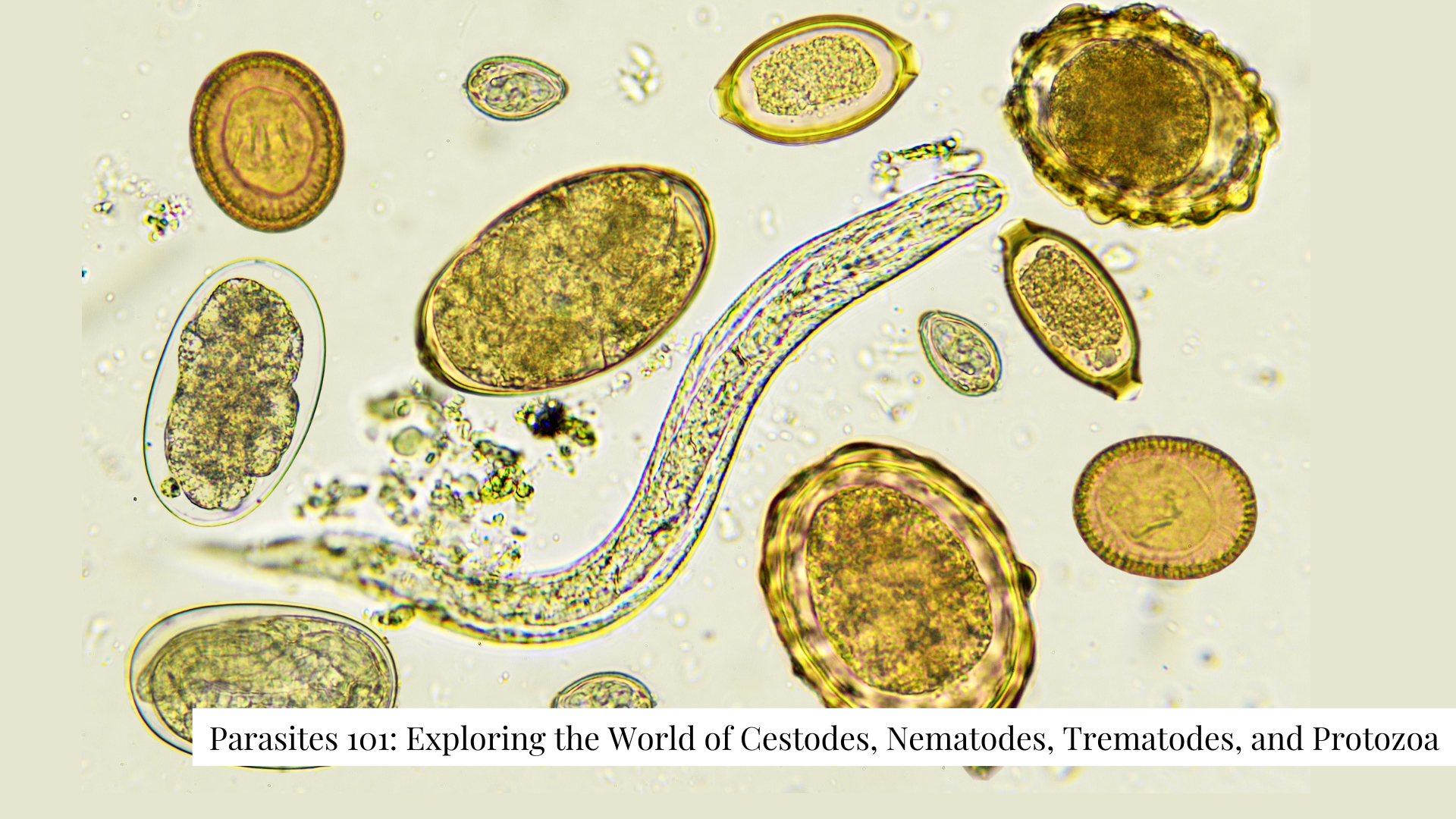
Cestodes, nematodes, trematodes, and protozoa are all types of parasites that can infect humans and other animals. Each of these groups of parasites has unique characteristics and can cause a range of health problems.

Cestodes

Cestodes, also known as tapeworms, are a type of parasitic flatworm that can infect the human body. These worms are long and ribbon-like and can grow up to be greater than 6.5 feet. Cestode infections are typically contracted through ingestion of contaminated food, such as undercooked meat or fish.

Cestodes can have a significant impact on human health by disrupting various physiological processes in the body. These worms reside in the digestive tract and absorb nutrients from the host’s foods and tissues, which can lead to nutrient deficiencies and other health problems. Cestode infections can also cause damage to the intestinal wall, leading to inflammation and ulceration, resulting in abdominal pain and other digestive issues.

Furthermore, cestodes can interfere with the host’s immune response, leading to an increased risk of secondary infections. These worms also release toxic substances that can cause damage to other organs, such as the liver and lungs.

In severe cases, cestode infections can cause malnutrition due to the depletion of nutrients by the parasite, neurocysticercosis, a severe infection of the central nervous system that can cause seizures, headaches, and other neurological symptoms. and intestinal obstruction: In rare cases, when cestodes grow long, they can cause intestinal obstruction, which can lead to severe pain, nausea, and vomiting. In the world of parasite cleansing, clearing cestodes comes first (with nematodes), and treatment includes anti-parasitic herbs to clear them and prevent further complications.

Cestode infections can disrupt the absorption of essential nutrients such as proteins, carbohydrates, and fats, leading to malnutrition and weight loss. These worms can also interfere with the host’s immune response, leading to an increased risk of secondary infections.

Nematodes

Nematodes, or roundworms, can cause a range of health problems due to their parasitic nature. These worms can invade various organs and tissues, leading to disruptions in several biochemical processes.

One of the primary ways nematodes disrupt biochemical processes in the body is by interfering with nutrient absorption from the gastrointestinal tract. This can lead to malnutrition, weight loss, and other related health problems. Nematode infections can also cause damage to the intestinal wall, leading to inflammation, bleeding, and other digestive issues.

Moreover, nematodes can interfere with the host’s immune system, increasing the risk of secondary infections. These worms can release toxic substances that can cause damage to organs such as the liver, lungs, and kidneys. In some cases, nematodes can also cause neurological symptoms, such as seizures and paralysis.

It is essential to treat nematode infections promptly to prevent further complications. Anti-parasitic herbs can help clear the worms and manage symptoms. Proper hygiene practices, such as washing hands thoroughly with soap and water and avoiding contact with contaminated soil and water sources, can also help reduce the risk of nematode infections.

Trematodes

Trematodes, or flukes, are a type of parasitic flatworm that can infect the human body. These worms can have a significant impact on human health and cause a range of symptoms.

Trematode infections can cause inflammation and damage to organs such as the liver, lungs, and intestines. This can result in symptoms such as abdominal pain, diarrhea, and jaundice. Trematodes can also disrupt the absorption of nutrients from the intestine, leading to malnutrition and weight loss, which can have a significant impact on a patient’s quality of life.

Moreover, trematodes can interfere with the host’s immune system, leading to an increased risk of secondary infections. Some trematodes can also release toxic substances that can cause damage to organs and tissues throughout the body, leading to chronic health problems and a decrease in the patient’s quality of life.

In severe cases, trematode infections can cause significant morbidity and mortality. Some types of trematodes cause liver damage, which can progress to liver cirrhosis and hepatocellular carcinoma, a type of liver cancer.

Prompt treatment of trematode infections is essential to prevent further complications and improve the patient’s quality of life. Anti-parasitic herbs help eradicate the worms and manage symptoms.

Protozoa

Protozoa are a diverse group of unicellular organisms that can have varying impacts on human health, depending on the type of protozoan and the patient’s immune status. Some protozoa can cause severe health problems that affect the patient’s quality of life.

Protozoan infections can lead to a range of symptoms, including diarrhea, nausea, vomiting, and fever. In some cases, these infections can cause significant chronic illness, particularly in patients with weakened immune systems, such as those with HIV/AIDS or cancer.

For example, some protozoa such as Plasmodium spp., which cause malaria, can lead to severe anemia, which can have a lasting impact on a patient’s health and quality of life. Similarly, Toxoplasma gondii, a protozoan that can cause toxoplasmosis, can have severe effects on the developing fetus during pregnancy, leading to neurological problems and other health issues.

Protozoan infections can also cause chronic health problems, such as Chagas disease, caused by Trypanosoma cruzi, which can lead to heart failure and other complications that affect a patient’s quality of life.

Prompt diagnosis and treatment of protozoan infections are essential to prevent further complications and improve the patient’s quality of life. Treatment typically involves anti-parasitic medication to eradicate the protozoa and manage symptoms. Patients should also be advised on proper hygiene practices, such as washing hands thoroughly with soap and water and avoiding contact with contaminated food and water sources, to reduce the risk of infection.

In Conclusion

Parasites are a diverse group of organisms that can have significant impacts on human health. Cestodes, nematodes, trematodes, and protozoa are common types of parasites that can cause a range of symptoms and health problems. These parasites can disrupt various biochemical processes in the body, leading to malnutrition, weight loss, organ damage, and other chronic health challenges and complications.

Diagnosis and treatment of parasitic infections are essential to prevent further problems and improve quality of life. Treatment typically involves anti-parasitic herbs to clear the parasitic infections.

Understanding the world of parasites is essential for all of us today. Awareness of the risk factors and potential problems caused by parasitic infections is no longer optional in the toxic world we live in. By taking preventive measures and seeking timely treatment, you can reduce the impact of parasitic infections on your overall health and quality of life!

To discuss your health goals and explore my coaching options, email me here.


Resources For Your Review

There are numerous articles that discuss the relationship between cestode infections and chronic illness published on PubMed. PubMed is a free, online database maintained by the National Library of Medicine (NLM) that provides access to a vast collection of biomedical literature, including journal articles, book chapters, and conference proceedings. PubMed contains more than 30 million citations and abstracts from over 5,500 journals in the fields of medicine, nursing, dentistry, veterinary medicine, and related areas. Some of the most relevant articles I referenced for this post include:

“Chronic infection with Taenia solium and Taenia saginata: From clinic to biology” by D. D. Díaz et al. (2018): This review article discusses the clinical manifestations and pathogenesis of chronic infection with Taenia solium and Taenia saginata, two common cestode species. The authors highlight the importance of early diagnosis and treatment to prevent the development of chronic illness. https://www.ncbi.nlm.nih.gov/pmc/articles/PMC6060351/

“Neurocysticercosis: a review on status in India, management challenges, and new drug options” by R. J. Mahajan et al. (2017): This article provides an overview of neurocysticercosis, a parasitic infection of the central nervous system caused by Taenia solium. The authors discuss the challenges of managing chronic neurocysticercosis and highlight new drug options that may offer improved treatment outcomes. https://www.ncbi.nlm.nih.gov/pmc/articles/PMC5482324/

“Cysticercosis and Neurocysticercosis as Causes of Seizures in the United States” by H. H. Garcia et al. (2018): This study examines the prevalence and clinical characteristics of cysticercosis and neurocysticercosis in the United States. The authors note that chronic neurocysticercosis can lead to seizures and other neurological symptoms that require ongoing medical management. https://www.ncbi.nlm.nih.gov/pmc/articles/PMC5940145/

“Echinococcosis: a review of the epidemiology and transmission of a common parasitic disease” by P. Kern et al. (2016): This review article provides an overview of echinococcosis, a parasitic infection caused by the tapeworm Echinococcus granulosus. The authors discuss the chronic nature of the disease and the challenges of managing patients with advanced stages of infection. https://www.ncbi.nlm.nih.gov/pmc/articles/PMC4721110/

“Chronic strongyloidiasis – don’t look and you won’t find” by R. S. Miller et al. (2015): This article discusses the clinical presentation, diagnosis, and treatment of chronic strongyloidiasis, an infection caused by the nematode Strongyloides stercoralis. The authors emphasize the importance of increased awareness and screening for this infection in high-risk populations, particularly those with chronic illnesses or who have received immunosuppressive therapy. https://www.ncbi.nlm.nih.gov/pmc/articles/PMC4320044/

“Chronic Fascioliasis in Humans: A Review” by G. Mas-Coma et al. (2013): This article provides an overview of chronic fascioliasis, a trematode infection caused by the liver fluke Fasciola hepatica. The authors discuss the clinical manifestations, diagnosis, and treatment of the infection, as well as the challenges of managing chronic cases. https://www.ncbi.nlm.nih.gov/pmc/articles/PMC3794977/

“Cryptosporidiosis: An Update” by L. Checkley et al. (2015): This article provides an update on cryptosporidiosis, a protozoan infection caused by the parasite Cryptosporidium. The authors discuss the epidemiology, clinical manifestations, diagnosis, and treatment of the infection, and highlight the challenges of managing chronic cases in immunocompromised patients. https://www.ncbi.nlm.nih.gov/pmc/articles/PMC4460795/

“Chronic amebiasis: a new perspective on an old disease” by J. A. Stanley Jr et al. (2015): This article provides a new perspective on chronic amebiasis, a protozoan infection caused by the parasite Entamoeba histolytica. The authors discuss the clinical manifestations, diagnosis, and treatment of the infection, and highlight the challenges of managing chronic cases, particularly in asymptomatic carriers. https://www.ncbi.nlm.nih.gov/pmc/articles/PMC4360400/

“Chronic intestinal schistosomiasis: challenges and opportunities for innovative control” by A. J. Fenwick et al. (2012): This article discusses the challenges and opportunities for innovative control of chronic intestinal schistosomiasis, a trematode infection caused by Schistosoma mansoni. The authors emphasize the importance of early detection, prevention, and treatment of the infection to prevent the development of chronic disease and improve patient outcomes. https://www.ncbi.nlm.nih.gov/pmc/articles/PMC3414535/

These articles highlight the importance of understanding the relationship between parasitic infections and chronic illness, as well as the challenges of managing chronic cases. Early diagnosis and appropriate treatment are critical for preventing the development of chronic disease and improving your health.

I hope you find this post and these resources helpful!

Love it? Share it!

  • Share on Facebook (Opens in new window) Facebook
  • Share on X (Opens in new window) X
  • Share on Pinterest (Opens in new window) Pinterest
  • Share on LinkedIn (Opens in new window) LinkedIn
  • Share on Tumblr (Opens in new window) Tumblr
  • Share on Reddit (Opens in new window) Reddit
  • Print (Opens in new window) Print
  • Email a link to a friend (Opens in new window) Email

Filed Under: Uncategorized

Healing from Environmental Toxins and Parasites: Strategies for Restoring Your Health and Vitality

By cegan

Environmental toxins and parasites can have a significant impact on our health and well-being. Toxins can accumulate in our bodies and cause various health issues, including chronic fatigue, headaches, allergies, and hormonal imbalances. According to the Centers for Disease Control and Prevention (CDC), exposure to environmental toxins has been linked to chronic health conditions such as cancer, heart disease, and neurological disorders. Parasites, on the other hand, can live inside or outside our body and feed on our nutrients and tissues, causing symptoms such as digestive issues, skin rashes, and weakened immune systems. In this article, I discuss strategies for healing from environmental toxins and parasites, including specific information on cestodes, nematodes, and environmental toxins.


Understanding Environmental Toxins and Parasites

Environmental toxins can come from a wide range of sources, including air pollution, pesticides, heavy metals, and plastics. Exposure to these toxins can cause a variety of health issues, including respiratory and cardiovascular problems, neurological disorders, and cancer. Some common environmental toxins that people may be exposed to include lead, mercury, arsenic, and BPA.

According to the CDC, exposure to environmental toxins is a significant public health concern. In the United States, approximately 85% of people have detectable levels of at least one environmental toxin in their bodies. By identifying levels of environmental toxins in your body, we can take steps to reduce your exposure and minimize the potential health risks associated with these substances.

Parasites are organisms that can live on or inside the body and cause a range of health issues. Cestodes and nematodes are two common types of parasites that can infect humans. Cestodes, also known as tapeworms, can live in the intestines and cause digestive problems, nutrient deficiencies, and weight loss. Nematodes, also known as roundworms, can infect various organs in the body, including the intestines, lungs, and liver, and cause symptoms such as fever, coughing, and abdominal pain.

According to the Centers for Disease Control and Prevention (CDC), approximately 60 million people in the United States are infected with at least one type of parasitic infection each year. These infections can cause a wide range of symptoms, from mild digestive upset to more serious health issues such as anemia, neurological damage, and even death in some cases. The CDC recommends taking steps to prevent parasitic infections, such as practicing good hygiene and food safety practices, avoiding contact with contaminated water sources, and seeking prompt medical attention if symptoms of infection arise.

Strategies for Healing from Environmental Toxins and Parasites

While diet plays a crucial role in maintaining good health, addressing diet alone may not be enough to eliminate parasites and environmental toxins from the body. The following strategies can help you eliminate toxins and parasites from your body and restore your health and vitality:

1. Detoxify your body

Detoxification can help your body eliminate harmful toxins and waste products that have accumulated over time. You can detoxify your body by using various methods such as fasting, juice cleansing, and sauna therapy. Additionally, incorporating detoxifying foods and supplements into your diet can aid in the process. One protocol that I have been using for the past few years is the “Roadmap to Health” protocol from CellCore Biosciences, which is a methodical approach to removing parasites and environmental toxins from the body. This protocol involves a series of phases, including opening drainage pathways and supporting mitochondrial function, to prepare the body for detoxification, removing parasites, supporting the liver and gallbladder, and eliminating toxins from the body.

2. Boost your immune system

Having a strong immune system is vital for fighting off toxins and parasites. You can boost your immune system by eating a healthy diet rich in fruits, vegetables, and lean proteins, getting enough restful sleep, engaging in regular exercise, and taking immune-boosting supplements such as two I like, vitamin C, and bee pollen. Additionally, reducing stress and avoiding harmful habits such as smoking and excessive alcohol consumption can also help improve your immune system.

3. Clean up your environment

Reducing your exposure to environmental toxins is crucial for preventing further damage to your health. You can do this by switching to natural cleaning and self-care products that do not contain harmful chemicals, avoiding plastic containers and bottles, and drinking distilled water to ensure you’re not taking in contaminants such as lead, mercury, chlorine, and radioactive elements. Also, minimizing exposure to air pollution can help improve your respiratory and cardiovascular health.

According to a study published in PubMed, exposure to air pollution has been associated with a range of health effects, including respiratory and cardiovascular diseases, as well as neurological and developmental disorders. Therefore, reducing exposure to air pollution is essential for maintaining good health.

4. Address parasite infections

If you suspect that you have a parasite infection, contact me. According to the World Health Organization (WHO), parasitic infections affect more than one billion people worldwide and can cause significant morbidity and mortality, and can lead to long-term disabilities, social stigma, and economic hardship. Depending on the type and severity of the infection, I prescribe a personalized protocol with antiparasitic herbs to help eliminate the parasites from your body. It is important to follow the protocol until the infection and toxins are cleared.  

5. Practice self-care

Self-care is an essential aspect of maintaining good health and recovering from environmental toxins and parasite infections. Engaging in activities such as meditation, yoga, or hobbies that bring you joy can help reduce stress and promote overall well-being. Additionally, taking time for yourself to rest and recharge can help your body recover and heal from the effects of environmental toxins and parasite infections. Many grossly underestimate the impact of poor self-care, on overall health and wellness. 

In Conclusion

By implementing a comprehensive healing approach that includes detoxification, immune system boosting, environmental cleanup, parasite infection treatment, and self-care practices, you can effectively eliminate environmental toxins and parasites from your body and regain your health and vitality. The “Roadmap to Health” protocol from CellCore Biosciences is the only protocol I’ve worked with that smartly and methodically clears parasites and environmental toxins from the body.  

By prioritizing your health and taking proactive steps to address environmental toxins and parasite infections, you can optimize your well-being and enjoy a more fulfilling, vibrant life.

FAQs

How do environmental toxins and parasites affect our health?

Environmental toxins and parasites can cause a range of health issues, including chronic fatigue, headaches, digestive problems, and weakened immune systems. According to the CDC, exposure to environmental toxins has also been linked to chronic health conditions such as cancer, heart disease, and neurological disorders.

What are some strategies for eliminating environmental toxins and parasites from our bodies?

Strategies for eliminating environmental toxins and parasites include detoxification, boosting the immune system, cleaning up the environment, addressing parasite infections, and practicing self-care.

What are some natural remedies that can be used to eliminate parasite infections?

Natural remedies such as herbs can be used to eliminate parasite infections, depending on the type and severity of the infection. However, it is important to work with a healthcare provider to receive proper diagnosis and treatment.

Is diet alone sufficient to eliminate parasites and environmental toxins from the body?

While a healthy diet is important for overall health, and an area of education I’ve recommended for years, addressing diet alone is no longer enough, to counter the ways environmental toxins and parasitic infections are affecting our health and well-being.  A more comprehensive and holistic approach to detox the body, which includes supporting mitochondrial health, boosting the immune system, cleaning up the environment, addressing parasite infections, and practicing self-care are what I recommend.

What are some common environmental toxins that people may be exposed to?

Some common environmental toxins include air pollution, pesticides, heavy metals, and plastics. Exposure to these toxins can cause a variety of health issues, including respiratory and cardiovascular problems, neurological disorders, and cancer.

If you’d like to discuss your health, and learn about the ways I work with clients now, email me here. 

Love it? Share it!

  • Share on Facebook (Opens in new window) Facebook
  • Share on X (Opens in new window) X
  • Share on Pinterest (Opens in new window) Pinterest
  • Share on LinkedIn (Opens in new window) LinkedIn
  • Share on Tumblr (Opens in new window) Tumblr
  • Share on Reddit (Opens in new window) Reddit
  • Print (Opens in new window) Print
  • Email a link to a friend (Opens in new window) Email

Filed Under: Uncategorized

The Connection Between Mitochondrial Dysfunction and Chronic Illness: What You Need To Know

By cegan

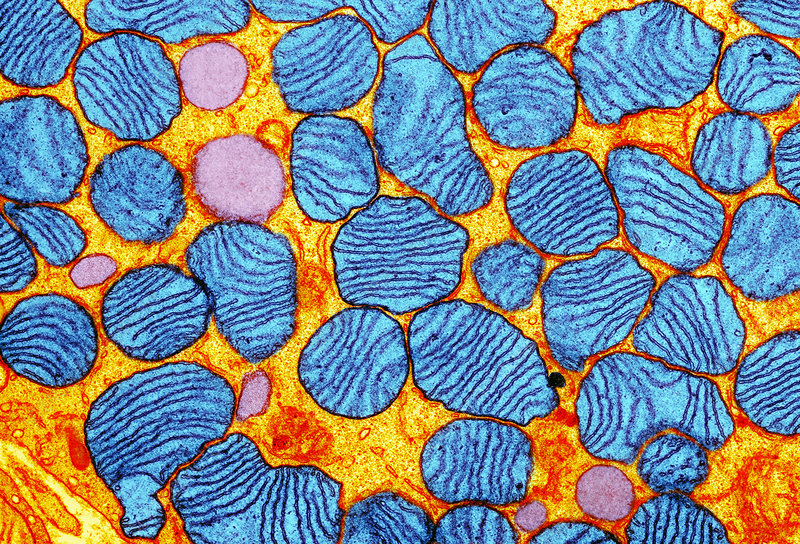
Mitochondria, the engines of energy production and cellular, are essential for the normal functioning of our body, as they produce ATP, the primary energy currency of the cell. But when they are damaged or dysfunctional, it can lead to a range of health problems.

The Science

According to a study published in the journal Frontiers in Bioscience, mitochondrial dysfunction has been linked to a wide range of chronic diseases, including neurodegenerative disorders, metabolic disorders, cardiovascular diseases, and cancer [1].

Another study published in the journal Redox Biology showed that mitochondrial dysfunction is a key factor in the development and progression of many diseases, including type 2 diabetes, heart disease, and Alzheimer’s disease. The researchers also found that targeting mitochondrial dysfunction with specific interventions, such as exercise and dietary changes, can help prevent and treat these conditions [2].

So, what can you and I do to protect and improve the health of our mitochondria? One way is through a process called mitochondrial biogenesis, which is the growth and replication of new mitochondria within our cells. This process can be stimulated through various lifestyle interventions, including regular exercise, intermittent fasting, and caloric restriction. A review published in the journal Nutrients found that these interventions can help improve mitochondrial function and reduce the risk of chronic disease [3].

In addition to lifestyle interventions, there are also certain nutrients and supplements that can support mitochondrial health. For example, fulvic and humic acids, the foundation of all the work I do now, have been shown to potentially support mitochondrial health and function by stimulating respiration. One study found that humic acid increased the activity of mitochondrial enzymes in rat heart tissue [6]. Another study showed that fulvic acid supplementation improved mitochondrial function and reduced oxidative stress in aged rats [7].

Another nutrient that has been shown to support mitochondrial health is alpha-lipoic acid (ALA), which is a potent antioxidant that can improve mitochondrial function and reduce inflammation in the body. A study published in the journal Free Radical Research found that ALA supplementation can improve mitochondrial function and reduce oxidative stress in people with metabolic disorders [5].

To Conclude

Medical literature shows that mitochondrial dysfunction is a major contributor to the rise in chronic illness, and that protecting and improving the health of our mitochondria should be a key focus of our health and wellness efforts. Through lifestyle interventions and targeted supplementation, we can support mitochondrial biogenesis, improve mitochondrial function, and reduce the risk of chronic disease. Based on research and my personal and clinical experience, I believe that humic and fulvic acids are integral tools for healing to occur.

I hope you find this post informative and helpful. If you’d like to talk about your health goals and my coaching programs, contact me here. 


There are several PubMed articles that support what I share, that mitochondrial dysfunction can be a root cause of chronic illness. Here are a few examples:

  1. “Mitochondrial dysfunction and chronic disease: treatment with natural supplements” – https://pubmed.ncbi.nlm.nih.gov/27499020/
  2. “Mitochondrial Dysfunction in Chronic Kidney Disease” – https://pubmed.ncbi.nlm.nih.gov/30710783/
  3. “Mitochondrial Dysfunction in Parkinson’s Disease” – https://pubmed.ncbi.nlm.nih.gov/28486029/
  4. “Mitochondrial Dysfunction in Alzheimer’s Disease and the Rationale for Bioenergetics-Based Therapies” – https://pubmed.ncbi.nlm.nih.gov/27017945/
  5. “Mitochondrial Dysfunction in Obesity and Diabetes” – https://pubmed.ncbi.nlm.nih.gov/27136563/
  6. “Humic acid promotes mitochondrial biogenesis and increases exercise endurance in rats.” – https://pubmed.ncbi.nlm.nih.gov/28964891/
  7. “Protective effects of fulvic acid against oxidative stress in a rat model of aging.” – https://pubmed.ncbi.nlm.nih.gov/34422324/

I hope you find this post and resources helpful. If you’d like to discuss your health goals and my coaching programs, feel free to reach out to me here.

Love it? Share it!

  • Share on Facebook (Opens in new window) Facebook
  • Share on X (Opens in new window) X
  • Share on Pinterest (Opens in new window) Pinterest
  • Share on LinkedIn (Opens in new window) LinkedIn
  • Share on Tumblr (Opens in new window) Tumblr
  • Share on Reddit (Opens in new window) Reddit
  • Print (Opens in new window) Print
  • Email a link to a friend (Opens in new window) Email

Filed Under: Uncategorized

Before you Detox, Do This

By cegan

Many want to do a detox, especially at this time of year, with health goals one of the top most sought after resolutions. 

But bear this in mind, your colon is your ‘waste managing system’ in your body. If you’re not efficiently releasing waste matter from your colon, with at least 2-3 healthy bowel movements a day, you’re likely constipated, and/or suffering from any of the myriad of health challenges that result from this problem = Your waste processing plant is now septic, so clearing your colon is your first ‘order of the day.’

Constipation is one of the top most common problems in the United States… and unbeknown to many, chronic constipation and the septic stagnancy it causes in the body is the root of all illness. 

I remember when I used to host my first online detoxes, many would say, but I’m so bloated.

Here’s why:

Detoxing can be very preemptive and problematic, if you’re chronically constipated, because you don’t yet know the breadth and depth of harm caused by microbial and pathogenic overgrowth and other toxins in your colon, and throughout your body. 

If you want to do a detox to lose weight, reduce cravings, reverse premature aging and restore your health, you first need to get your bowels to release toxic waste matter 2-3 times per day. 

Here are 6 ways you can support regular elimination: 

  1. Eat your water and drink your food. What does that mean? To eat your water means to eat water-dense foods, by including boatloads of fresh vegetables and fruits daily. Water-dense foods will hydrate your body, and especially your likely impacted-with-old-waste-mater colon in ways it sorely needs, if you’ve been consuming a more Standard American Diet, that’s laden with dense, dry, nutrient devoid foods, this will help you bring more life-force to your cells, tissue and… colon To drink your food means to ensure you’re getting the vitamins, minerals, photo chemicals and life-force energy, the vital force of Life (electricity) the earth, sun and air provide, especially if your digestion is impaired. You do this by drinking 16-32 ounces of fresh pressed vegetable juices daily. Drinking green vegetable juices daily is my top recommendation because they’re like an IV — The nutrients go straight to you cells and tissues, which you need more than ever, if your digestive processes, like absorption, assimilation and eliminating have been impaired too.  
  2. Move your body daily. Every form of movement, from a relaxing walk, to a rigorous run, and everything in between, will increase the kinetic energy in your body, to promote natural peristalsis. This is what we’re all after. Healthy peristalsis means healthy eliminations. Healthy eliminations you’re on the road to looking and feeling your best again! 
  3. Reduce stress. Stress is a common culprit with chronic constipation. Try this: Clench your body, including your teeth, the muscles on your face, and your fists and hold for 10-20 seconds. Now release the clenching. THAT IS what stress does inside our body. It causes contraction. Contraction is the opposite of what we want, to promote healthy bowel regularity. Releasing stress, releasing the contractive state allows calm, clarity and balance to return. You want to support inner calm. Everything good happens in life, when the body is in homeostasis, in balance, in all ways. 
  4. Hydrate. Drink half your body weight in ounces of water daily. You want to ensure that your body is hydrated. A hydrated body helps waste mater move from point A to point B, efficiently. 
  5. Herbal support. Include non-irritating bowel-moving herbs, like Triphala, ginger root, and aloe vera to support movement of waste matter out of your body. 
  6. Carbons. Include carbons, like Bioactive Carbons from Microbe Formulas. I LOVE MF formulations in general, because they are NOT a bandaid line of supplements, but a line created to remove everything that does not belong inside a human body (radiation, herbicides, pesticides, mold, parasites, Lyme… ), and rebuild from the cellular level up. Carbons, also known as humic and fulvic acids, are a composition of decomposed plant life that are laden with carbon, hydrogen and oxygen, the elements that make up 96% of the human body. Bioactive carbons contain amino acids, enzymes, hormones, antivirals, minerals, trace elements, natural antibiotics, natural fungicides, and free-radical scavengers, and move easily through the body, bind to toxins, and rebuild and restore tissue. 

If you’ve suffered from constipation for years, there are likely other issues you need to address, like parasites, to resolve this problem fully, but addressing constipation, and the obstruction it leaves behind, before taking on a full-body detox, is your primary objective. 

Questions? Please feel free to email me, or leave your comments below.

Love it? Share it!

  • Share on Facebook (Opens in new window) Facebook
  • Share on X (Opens in new window) X
  • Share on Pinterest (Opens in new window) Pinterest
  • Share on LinkedIn (Opens in new window) LinkedIn
  • Share on Tumblr (Opens in new window) Tumblr
  • Share on Reddit (Opens in new window) Reddit
  • Print (Opens in new window) Print
  • Email a link to a friend (Opens in new window) Email

Filed Under: Uncategorized

The Healing Power of Fasting

By cegan

Fasting in one of the top strategies I recommend to all my clients for healing chronic illness, promoting healthy weight loss, improving mental and emotional mastery, nipping persistent cravings (once and for all), promoting detoxification processes… and so much more.

Fasting is simply a deliberate choice to refrain from eating for a period of time, but with a healing power that is noteworthy.

Fasting will activate your body’s sympathetic nervous system, build and repair muscle tissue and promote the production of human hormone growth, increase cellular repair, support digestive health and reduce insulin, slow aging, protect against disease and improve your health in every way.

There are many kinds of fasting, and each offer something different.

For example, you can try, 

  1. Intermittent Fasting, also known as Time-Restricted Eating — Daily fasting, when a person restricts eating to a set number of hours per day
  2. Prolonged Fast — Fasting for an extended period; usually anywhere from 4 to 7 consecutive days
  3. Water Fast — Fasting by consuming only water and abstaining from consuming food
  4. Juice Fast — Fasting by consuming only fresh-pressed juices and abstaining from consuming food
  5. Religious Fast — Fasting as a way to regain or refocus spiritually is common in many religions

But you say, I can not NOT eat breakfast, yes?

Actually, you can. You can do anything you want to do, if you put your mind to it.

Ask yourself, “Do I eat at certain times of the day because I feel I need to eat at these times? Is this just a habit, or do I really need to eat now? Do I really need 3 meals a day, or do I just believe this to be true, because everyone I know believes this?” Like me, you were likely raised to believe we need to eat three meals a day, so the idea of not eating one of them could feel off, difficult, even unhealthy.

Consider this: 

Tomorrow morning, before you prepare to eat breakfast, stop, pause, and ask yourself, “Am I really hungry?” It’s crazy how often you’ll sense you are not hungry, but just responding to a habituated lifestyle habit.

Here’s the thing, before you wake up, around 4am, your body begins to pump growth hormone and adrenaline, which basically activates you for the day. You do NOT need to eat for energy for the day, your body has already prepared you in all the ways you need.

Experiment with fasting 

Start by fasting for 16 hours, and eating for  8 hours, and see how you feel. This is how I started, but after a while I felt so good, and fasting felt so easy, I extended the challenge to 20 hours of fasting and 4 hours of eating daily. And ya know what? I am not hungry at all, and I’m holding a healthy weight for someone my size. 

I know, you say, impossible. I could never do it! Ha! Try it, and you’ll see how easy it really becomes… and that’s when you’ll start to take on longer fasts. And the gold will be, you experiencing in a very lived and visceral way, all the benefits fasting offers.

I often juice fast, but today I raise my water glass to you! Cheers! 

Love it? Share it!

  • Share on Facebook (Opens in new window) Facebook
  • Share on X (Opens in new window) X
  • Share on Pinterest (Opens in new window) Pinterest
  • Share on LinkedIn (Opens in new window) LinkedIn
  • Share on Tumblr (Opens in new window) Tumblr
  • Share on Reddit (Opens in new window) Reddit
  • Print (Opens in new window) Print
  • Email a link to a friend (Opens in new window) Email

Filed Under: Uncategorized

Beyond Diet: What You Need to Know

By cegan

Have You Tried to “Get Healthy” With Only Hit-and-Miss Results?

My understanding of why getting healthy eludes so many people has expanded dramatically over the past few years. The problem isn’t what most people think it is.

Early in my own healing journey, I committed to eating only the healthiest foods available. Organic produce. Clean protein. No processed foods. I was doing everything right according to conventional wellness advice.

My body wasn’t absorbing any of it.

I eliminated whole, intact supplement capsules. Completely undigested. Something was fundamentally wrong.

I researched and tested every approach I could find. I read extensively, implemented protocols, and assessed results over time. Not theory. Actual outcomes in real bodies, starting with my own.

I remained sick for years.

The issue wasn’t the quality of what I was putting in. The issue was that my body wasn’t a functional receptor for nutrition. No toxic body is.

I learned that yeast, mold, fungus, rogue bacteria, parasites, and environmental toxins like heavy metals, chemicals, and radiation carry very low energetic frequencies. When these invaders outnumber beneficial flora, they multiply rapidly. Your cells and tissues become their host for sustenance and survival. Pathogens thrive in toxic bodies.

Dr. Todd Watts, founder of CellCore Biosciences and a recognized leader in parasitology, states: “If you have a pulse, you have parasites.” Veterinarians routinely recommend parasite cleanses for pets four times annually. The health and wellness community now recognizes parasite protocols as foundational to healing, not optional.

Research confirms that people struggling with chronic illness typically carry significant toxic burdens. Heavy metals from environmental exposure. Chemical residues from food and personal care products. Radiation from electromagnetic fields.

Diet alone is insufficient. Don’t let anyone tell you otherwise.

Healing is about removing all that’s suppressing mitochondrial function, causing hormone imbalance, disrupting neurotransmitter production, damaging cellular membranes, impairing our detoxification pathways, blocking nutrient absorption, triggering chronic inflammation, compromising the blood-brain barrier, interfering with thyroid function, and weakening immune response. When we remove what doesn’t belong, our bodies can do what they’re designed to do: thrive.

Consider these questions: Has modern lifestyle disrupted the inner terrain of your body? Fast food culture, processed foods, chronic stress, toxic pollutants, rogue pathogens, parasites, they are compromising our inner terrain Can you ever hope to experience all the best life has to offer if your body is laden with toxic waste and pathogens? Can your mind function with clarity and sharpness if your body is sick, even if what may seem small insignificant ways?

The breakthrough results my clients and I have achieved come directly from addressing root causes. Parasites. Viruses and retroviruses. Heavy metals. Radiation. Pesticides and chemicals. We remove what’s blocking the body’s innate ability to heal.

Results include rebuilt immunity, increased energy, reversal of chronic symptoms, and restored vitality.

My methodology is removal. Remove what doesn’t belong inside the human body.

If vibrant health has eluded you, if weight loss and conquering chronic cravings remain unachieved goals, redirect your efforts. Focus on detoxification with parasite protocols, and removal of heavy metals, viruses, chemicals, and radiation.

Take out what doesn’t belong. Put in what does.

Love it? Share it!

  • Share on Facebook (Opens in new window) Facebook
  • Share on X (Opens in new window) X
  • Share on Pinterest (Opens in new window) Pinterest
  • Share on LinkedIn (Opens in new window) LinkedIn
  • Share on Tumblr (Opens in new window) Tumblr
  • Share on Reddit (Opens in new window) Reddit
  • Print (Opens in new window) Print
  • Email a link to a friend (Opens in new window) Email

Filed Under: Uncategorized

Apprentice Yourself to Yourself: Colemans Bed

By cegan

2019 brought me my most challenging year yet, and perhaps the best year of my life thus far. 2019 asked me to stop, to utterly stop all outward movement, and to go deeply within in profound, meaningful and very active interior ways.

Many questions rose up.

Who are you? What do you perceive, when you look at yourself? When you look in the mirror, do you see someone worthy of love, compassion and acceptance? Do you recognize yourself as a friend?

With two most profound:

Do you believe you can turn to your own inner wisdom? Can you be your own apprentice?

An apprentice is one who is learning from another who is skilled, from one who possesses mastery. 

As I say to my clients in near every call we have, there comes a time when we must turn within, to find and get to know our Inner Guide, our Inner Teacher. There comes a time when we must apprentice ourselves. What does she want to teach us? What does he want us to know?

Consider this:

HOW can we ever hope to BE our best Selves, if we’re continuously responding to the onslaught of noise from the outside world? From others who are also trying to find their way, albeit imperfectly too? HOW can we ever hope to do our greatest work, if we’re disconnected from ourselves on a heart and Soul level?

My time away

I’ve learned so much from “The Summer of 2019,” which I’ll share about in big and little ways from this day forward. But for this post, I want to share with you a poem I’ve read many times over from my bed these past many months, from David Whyte, with the hopes that it inspires in you, as it has me.

Read it once. Read it twice. Read it many times, for it’s gifts are many-layered. Yes, can you apprentice yourself?

May it offer you all the gifts you need to hear from You, the eternal You within, now, and always.

Coleman’s Bed

Make a nesting now, a place to which
the birds can come, think of Kevin’s
prayerful palm holding the blackbird’s egg
and be the one, looking out from this place
who warms interior forms into light.
Feel the way the cliff at your back
gives shelter to your outward view
and then bring in from those horizons
all discordant elements that seek a home.

Be taught now, among the trees and rocks,
how the discarded is woven into shelter,
learn the way things hidden and unspoken
slowly proclaim their voice in the world.
Find that far inward symmetry
to all outward appearances, apprentice
yourself to yourself, begin to welcome back
all you sent away, be a new annunciation,
make yourself a door through which
to be hospitable, even to the stranger in you.

See with every turning day,
how each season makes a child
of you again, wants you to become
a seeker after rainfall and birdsong,
watch now, how it weathers you
to a testing in the tried and true,
admonishes you with each falling leaf,
to be courageous, to be something
that has come through, to be the last thing
you want to see before you leave the world.

Above all, be alone with it all,
a hiving off, a corner of silence
amidst the noise, refuse to talk,
even to yourself, and stay in this place
until the current of the story
is strong enough to float you out.

Ghost then, to where others
in this place have come before,
under the hazel, by the ruined chapel,
below the cave where Coleman slept,
become the source that makes
the river flow, and then the sea
beyond. Live in this place
as you were meant to and then,
surprised by your abilities,
become the ancestor of it all,
the quiet, robust and blessed Saint
that your future happiness
will always remember.

Love it? Share it!

  • Share on Facebook (Opens in new window) Facebook
  • Share on X (Opens in new window) X
  • Share on Pinterest (Opens in new window) Pinterest
  • Share on LinkedIn (Opens in new window) LinkedIn
  • Share on Tumblr (Opens in new window) Tumblr
  • Share on Reddit (Opens in new window) Reddit
  • Print (Opens in new window) Print
  • Email a link to a friend (Opens in new window) Email

Filed Under: Uncategorized

  • « Previous Page
  • 1
  • …
  • 7
  • 8
  • 9
  • 10
  • 11
  • …
  • 38
  • Next Page »

Search & You Shall Find

Topics

  • Environmental Toxins
  • Gut Issues & Bloating
  • Headaches, Brain Fog & Focus
  • Health Hacks
  • Mind-Body-Spirit Connection
  • Protein and Real Food Nutrition
  • Recipes
  • Root Cause
  • Start Here
  • Success Stories

DOWNLOAD YOUR FREE GUIDE

GET ON THE WAITLIST NOW!

FREE DETOX TIPS IN YOUR INBOX

As Seen In:

Forbes Huffington Post Better Connecticut Bella Mia Magazine Boston News Network Blog Talk Radio

Carol Egan – Heal Your Digestion to Heal Your Life

  • Facebook
  • Pinterest
  • Twitter

Let’s Talk About Health

I work with accomplished professionals who want to look and feel as healthy as they are successful. They spent years prioritizing success over health, and are now troubled by excess weight, exhaustion, and foggy thinking at work and home. I help them take control of their health, so they can focus on what matters in their life and career.

Schedule Your Call

Copyright © 2026 by Carol Egan · Privacy Policy · Disclaimer· Terms and Conditions