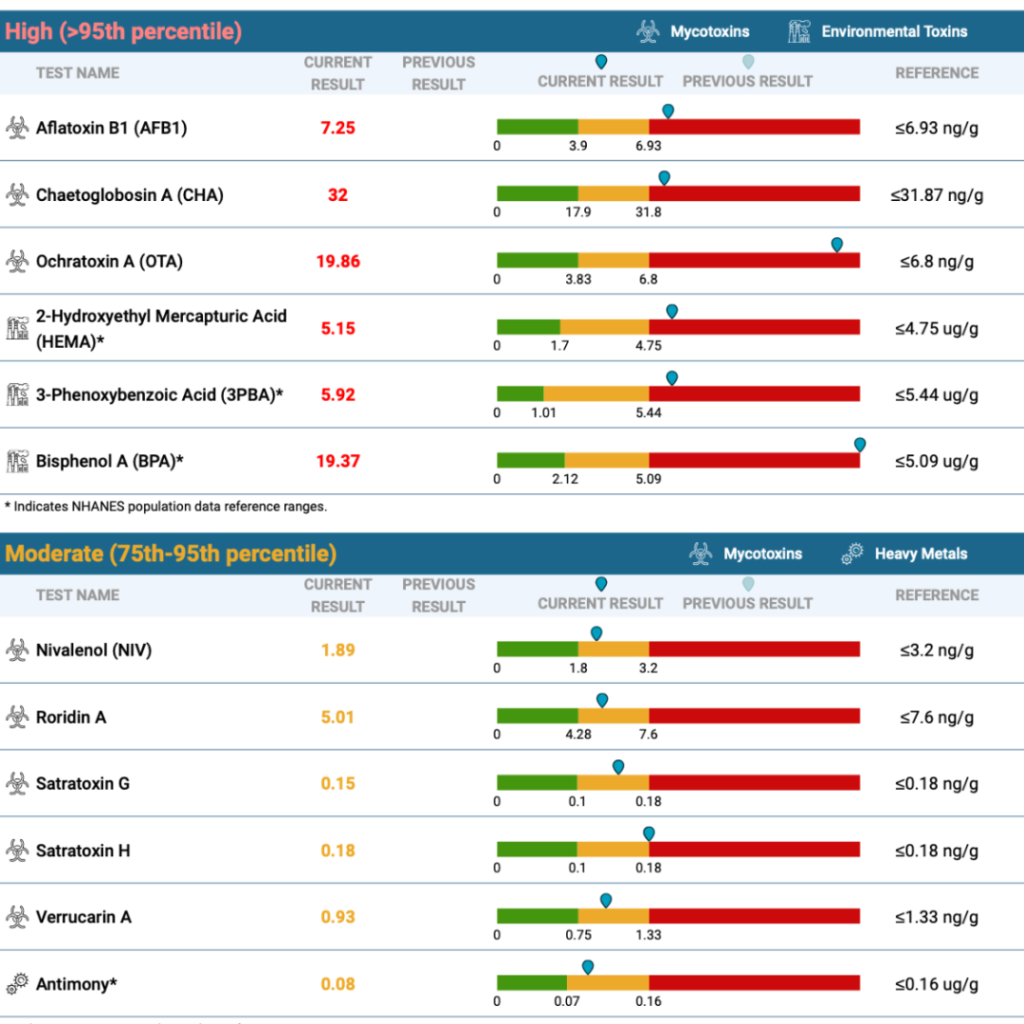
 Let’s talk about detox—but not the juice cleanse kind. I mean the real, down-and-dirty, and sometimes uncomfortable process of your body clearing out environmental toxins. One client, Peter, came to me with a history of chronic exposure to toxins like pesticides, heavy metals, and mycotoxins. His story is a great example of how detox can trigger big changes—especially in how the body manages fats like triglycerides and cholesterol.
What Happens During Detox?
When you start detoxing, it’s not all smooth sailing. Your body can get overwhelmed, especially your liver, which is ground zero for processing toxins. That’s what happened with Peter. As his body began releasing toxins, his liver struggled to keep up, and it triggered all sorts of metabolic shifts—including changes in his cholesterol and triglyceride levels.
Inflammation: The Body’s Response to Detox
As Peter’s body worked to get rid of the toxins, his immune system went into action, sparking inflammation. This is a natural part of the process—your body’s way of dealing with harmful stuff. But it also sets off a chain reaction that can affect things like lipid metabolism.
In Peter’s case, inflammation kicked up levels of cytokines (think of them as the body’s SOS signals), like TNF-α and IL-6, which directly influence how your body processes fats.
How Environmental Toxins Mess with Your Lipid Metabolism
Research shows that certain environmental toxins seriously mess with how your body handles fats. Here’s what was at play in Peter’s case:
- Pesticides and Herbicides: Long-term exposure to chemicals like glyphosate and organophosphates can disrupt lipid metabolism by inducing inflammation and oxidative stress. The result? Peter’s triglycerides and cholesterol started to fluctuate.
- Mycotoxins: These toxins, produced by mold, are notorious for causing liver damage, which throws off the liver’s ability to regulate fat metabolism.
- Heavy Metals: Lead, mercury, and cadmium—these heavy hitters can lead to oxidative stress and overload the liver, adding another layer of complexity to lipid regulation.
When the Liver Gets Overloaded
Your liver does a lot of heavy lifting when it comes to detox and managing fats. But when it’s overloaded—like in Peter’s case—it can’t function optimally. And when the liver is struggling, so is your lipid metabolism.
For Peter, this meant his liver couldn’t keep up with its usual job of regulating triglycerides and cholesterol. The result? Rising triglyceride levels, which is common when the liver is under stress.
Oxidative Stress: The Detox Double Whammy
As Peter’s body worked to flush out toxins, it also had to deal with oxidative stress (think of it like your body’s version of rusting). This added another challenge to an already stressed liver and further complicated his lipid metabolism.
Oxidative stress damages cells, including fats and proteins, making it even harder for the liver to manage fat levels. For Peter, this meant more fluctuations in triglycerides and cholesterol.
ER Stress: The Cellular Ripple Effect
Another piece of the puzzle was something called endoplasmic reticulum (ER) stress. The ER is responsible for managing protein folding and fat metabolism in your cells. But when toxins build up, it can stress out the ER, leading to misfolded proteins and disrupted fat metabolism. Peter’s body was already working overtime, and this added another layer of complexity to his detox process.
The Takeaway: Detox Isn’t Always a Straight Line
Peter’s detox journey shows that clearing toxins from your body isn’t just about removing the bad stuff—it’s also about managing the side effects that come with it. Inflammation, liver overload, and oxidative stress all play a part in how your body responds, especially when it comes to things like triglyceride and cholesterol levels.
The good news? By understanding what’s happening and why, we can work with the body’s natural processes and help guide it back to balance. Detox is a journey, but with the right support, it’s one that leads to a healthier, more balanced outcome.
 She had tried everything.
 After years of taking thyroid medication, I made a decision that felt both terrifying and liberating: I stopped taking it.
 Since 2017, I’ve been on a mission. A mission to uncover how parasites and environmental toxins—heavy metals, pesticides, industrial chemicals—wreak havoc on our health.
 Did you know that pesticides mess with some of the most crucial biochemical pathways in your body—including the essential CYP450 enzyme system? When pesticides throw this system out of balance, it sets off a chain reaction of health problems.
 “Water is life’s matter and matrix, mother and medium. There is no life without water.” – Nobel Prize winner Albert Szent-Györgyi
 In a world that’s always on the go, it’s wild how so many of us—myself included—have lived with low-level dehydration for years. It’s one of those things that gets overlooked, but the truth is, it can have a serious impact on your well-being. Before we even talk about detoxing or optimizing your health, there’s one fundamental thing that can’t be skipped: hydration.
 We live in a world where environmental toxins are everywhere—and ignoring them is no longer an option. These aren’t just hidden threats; they’re affecting your health every day in ways you might not realize. From the receipt you touch to the pan you cook on, toxins are infiltrating your life. It’s time to take action and protect yourself. Here are 10 surprising sources of toxins and, more importantly, how you can reduce your exposure starting today.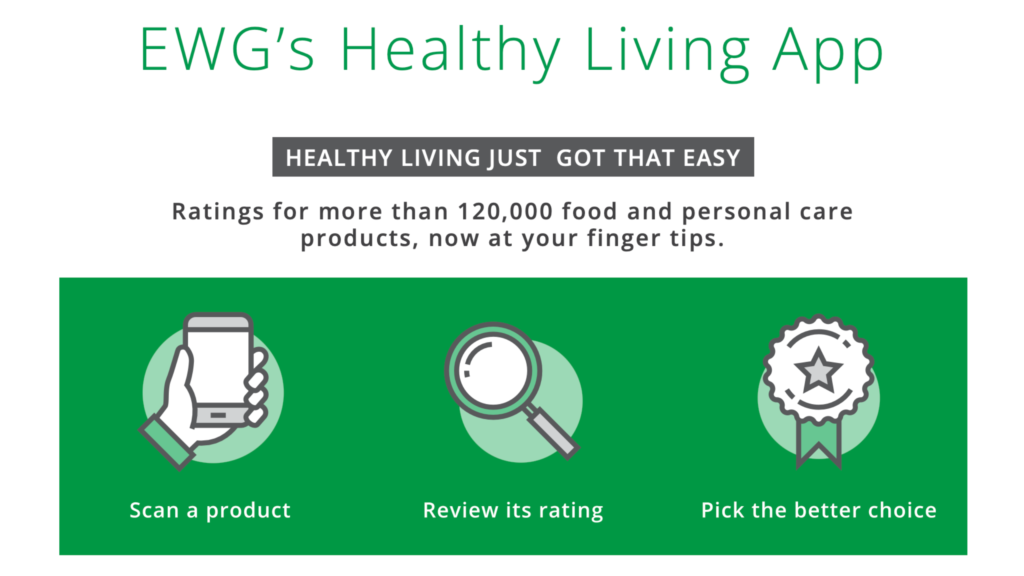
 Environmental toxins are all around us, from the air we breathe to the food we eat to the water we drink, and to the products we use. The impact of toxins on our health can be significant and long-lasting, with potentially serious consequences such as cancer, autoimmune diseases, and neurological disorders. In this blog post, I offer you a comprehensive overview of the types of toxins that we may encounter in our environment and offer practical solutions for reducing toxic exposure and protecting our health.