This article is part of a three-part blog series called The Original Medicines, exploring the healing power of grounding, sunshine, and breath.
Even when the experts told us to stay out of the sun, I never listened. That advice never landed—not in my mind, and definitely not in my body. Sunshine always made me feel good—not just warm, but awesome. So, on some level, I knew this guidance was off.
Sure, it made sense to not bake ourselves all day and to avoid the harshest high-sun hours. But to block the sun entirely—whether by hiding indoors or slathering on chemical-laden sunscreens—never aligned with what I knew intuitively to be true. Sunshine was never the enemy. It was always a friend. A healer. A source.
The more I paid attention, the more I noticed that without sunshine, something dark creeps in. My sleep gets lighter. My energy dips. My mood flickers. It’s as if the sun holds me together in a way I can’t fully explain—but my cells seem to understand.
“A day without sunshine is like, you know, night.”
~Steve Martin
It makes you smile. It makes you feel good. But it’s also true. Sunshine isn’t optional. It’s fundamental.
How Sunshine Works
Sunlight is full-spectrum energy. It’s not just about vitamin D—though that matters. When light hits the skin and enters the eyes (without glass or sunglasses), it signals receptors that cue dozens of biological processes.
Dr. Alexander Wunsch, a leading voice in photobiology, reminds us that sunlight regulates our circadian rhythm, hormones, neurotransmitters, and cellular repair. Early morning light triggers cortisol (the good kind) to wake us up with clarity. Later, it helps our brain produce melatonin to wind us down.
Dr. Jack Kruse, a neurosurgeon turned quantum biologist, says it like this: “The sun is the most powerful drug we don’t have to pay for.” According to his work, natural light directly supports mitochondrial function—the engines of our cells. No sunlight? Those engines slow down. Chronic fatigue, inflammation, and hormone dysregulation follow.
Sunlight boosts serotonin, modulates immune function, and increases nitric oxide, which helps our blood vessels relax and circulate more freely. It even triggers the skin to produce sulfated vitamin D—a form we can’t replicate in a capsule.
This isn’t theory. It’s the intelligence of Nature.
Why Sunlight Matters More in a Toxic World
When the body is burdened with toxins, our regulatory systems—like immune response, detox pathways, and hormone signaling—start to misfire. Sunshine doesn’t just brighten our day. It recalibrates those systems.
Most of us now live under artificial light. Blue-heavy, spectrum-narrow, fluorescent. These lights keep us alert but disrupt our inner clock. They can’t mimic the complex array of wavelengths the sun delivers—especially the infrared and UVA rays that support healing and detoxification.
In a world of overstimulation and chemical overload, the sun is one of the purest forms of order. It brings rhythm back to chaos. It reminds the body what balance feels like.
Sunshine and the Slow Movement
The sun never rushes. It rises and sets with precision, not panic. In my own healing and slowing down journey, I started to sync with it—not as a schedule, but as a rhythm.
Stepping into the light each morning became a quiet ritual. My nervous system softened, and my mind stopped racing. Instead of swinging between overdrive and collapse, I felt steadier, like I could hold the pace I was meant for—not the one the world demanded.
Sunshine brings me back to myself.
Take the First Step
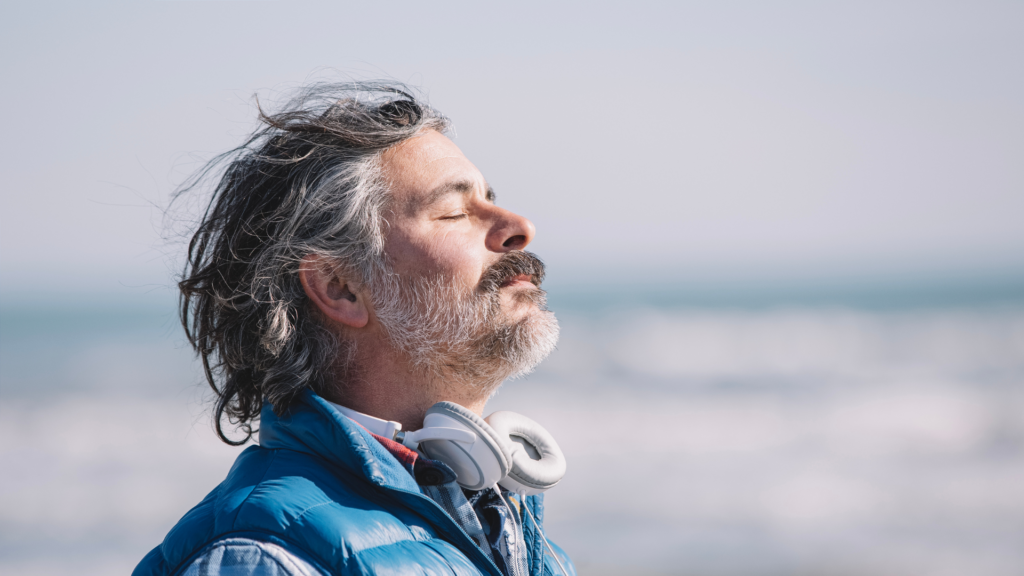
Wake with the sun. Let it hit your skin. Step outside for even just five minutes. Don’t bring your phone. Don’t overthink it. Just let the light find you.
And notice what shifts—not just in your energy, but in your whole way of being. The sun speaks a language older than words. Let your body remember how to listen.
As Hippocrates said, “Those who seek the sun find health in its warmth and light.”
 The Original Medicines: A 3-Part Series
Part 1: What is Grounding?
Part 2: What is Sunshine?
Part 3: What is Breath?
 This article is part of a three-part blog series called The Original Medicines, exploring the healing power of grounding, sunshine, and breath.
 Tell someone to eat better, exercise more, or get some sleep, and what happens? They’ll nod, agree… and then do the opposite. Not because they don’t know better, but because habits are stronger than knowledge.
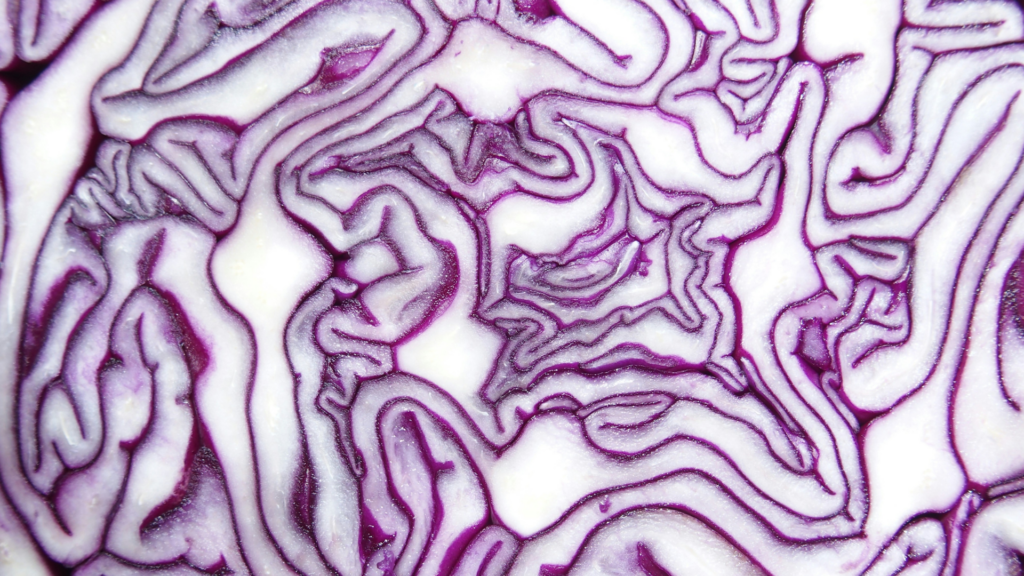 Your brain isn’t lazy, and it isn’t broken. It’s doing its job every second of every day, keeping you focused, creative, and alive. But there’s a problem: it’s working in a world that wasn’t built to protect it.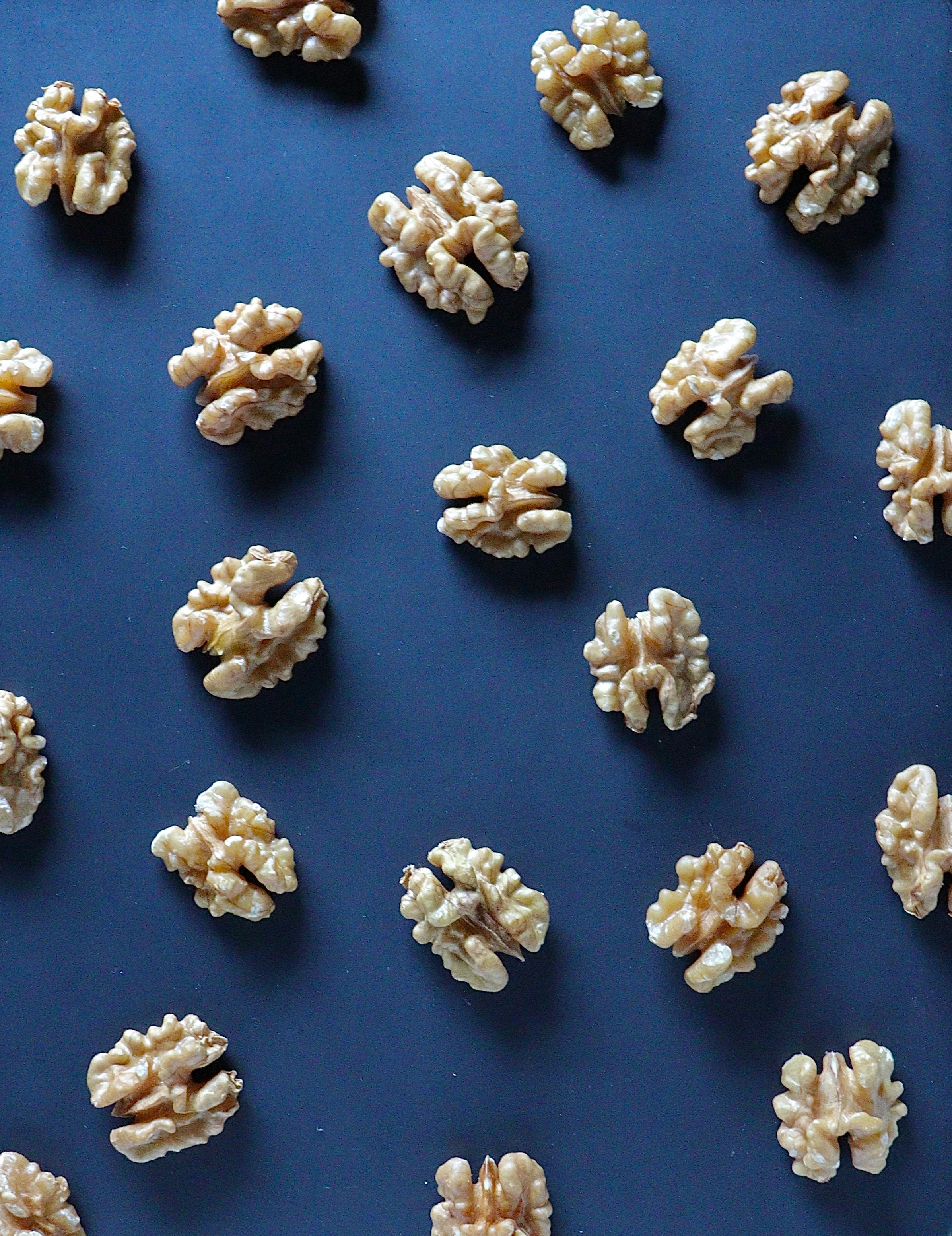
 We love certainty. We love to categorize, label, and defend. Vegan vs. carnivore. Keto vs. high-carb. Every camp has its champions, its research, its long-winded arguments about why this way is the right way.
 Inflammation is the villain.
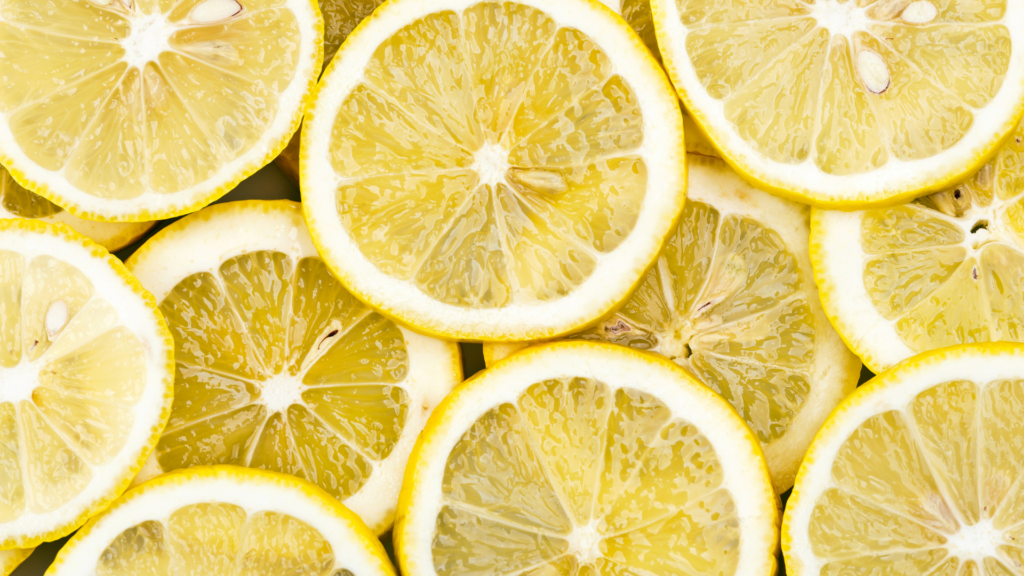 Ever wake up feeling sluggish, foggy, or just off? Nature had an answer for us long before we asked.
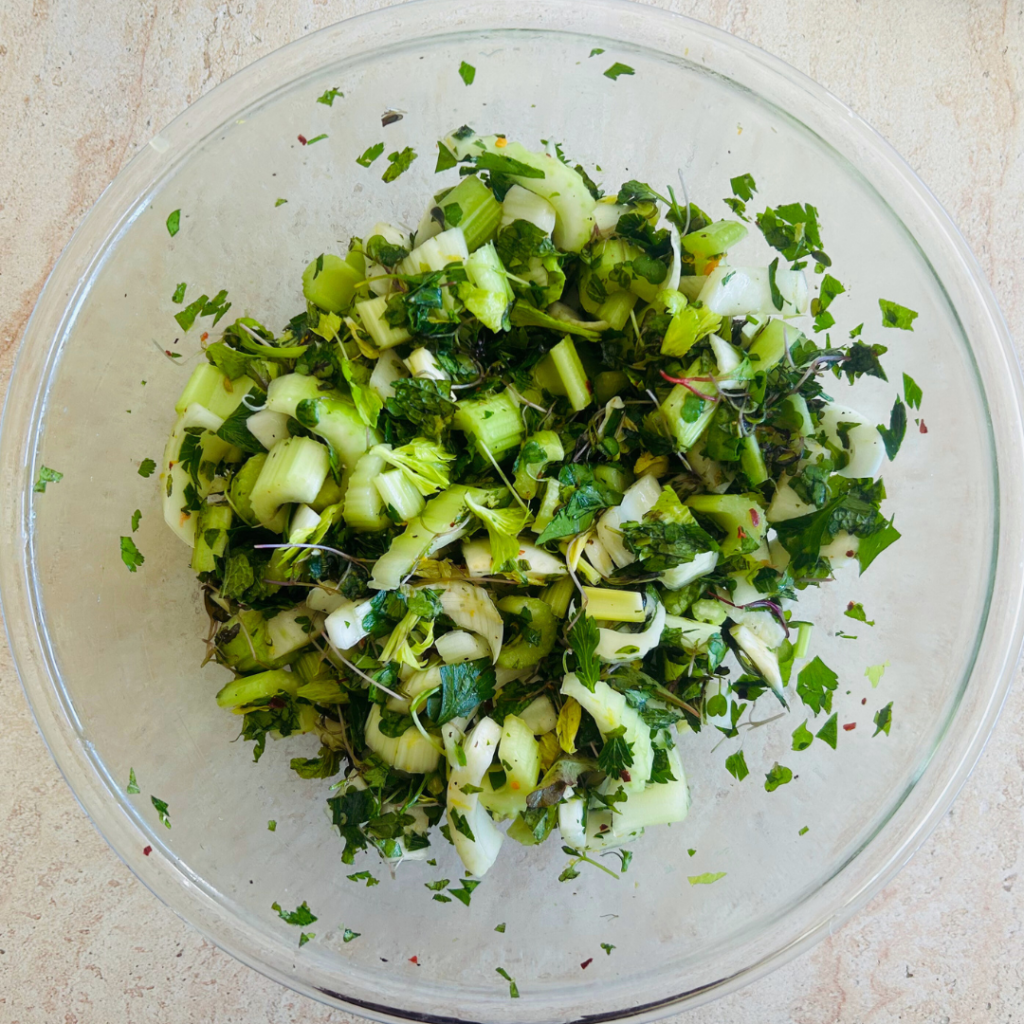 A Refreshing, Keto-Friendly Salad Bursting with Fresh Herbs and Citrus Vibes
 Overconsumption is a quiet thief. It often goes unnoticed because so many of us do it. It blends into the background noise of our lives—something normal, yet it quietly erodes our clarity and weakens our inner strength.