Carol Egan

  • About
  • Detox Tools
  • Speaking
  • Coaching
  • Results
  • Articles
  • Resources
  • Shop
  • Contact

Noticing

By cegan

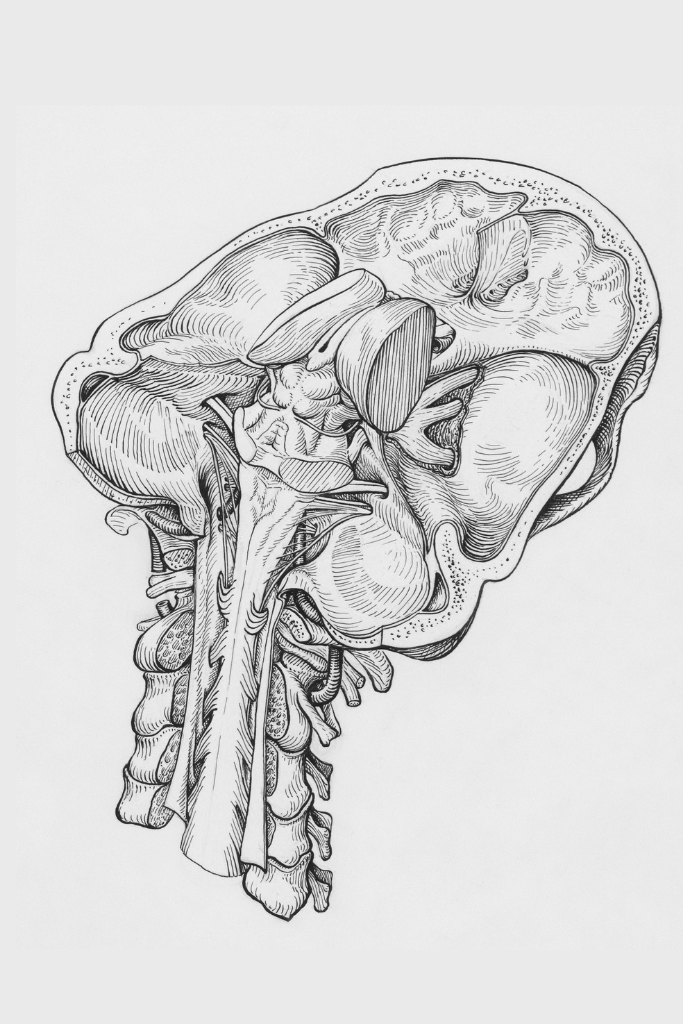
brown and white goat during daytimeChronic illness doesn’t start when symptoms appear—it starts years earlier.
Research confirms that autoimmune diseases, metabolic disorders, neurodegeneration, and chronic illnesses take decades to develop.

The body whispers before it shouts. Every symptom is a message, not a nuisance. Noticing means listening—to the body’s signals before they become sirens.

By the time we notice, reversing course isn’t always simple. But recognizing this isn’t discouragement—it’s power. Because even if we can’t turn back time, we can still move forward, make changes, and shift the trajectory of our health.

Love it? Share it!

  • Share on Facebook (Opens in new window) Facebook
  • Share on X (Opens in new window) X
  • Share on Pinterest (Opens in new window) Pinterest
  • Share on LinkedIn (Opens in new window) LinkedIn
  • Share on Tumblr (Opens in new window) Tumblr
  • Share on Reddit (Opens in new window) Reddit
  • Print (Opens in new window) Print
  • Email a link to a friend (Opens in new window) Email

Filed Under: Uncategorized

Who Told You Not to Trust Yourself?

By cegan

We’ve been trained to believe the best answers about our health come from lab tests, research papers, and expert opinions. The experts know. The data explains. Our own body? That’s unreliable.

But that’s not true.

I say this as someone who spends my days immersed in medical research, analyzing patterns, finding answers, making connections. I trust science. I believe in tests like the Total Tox Burden Test. But science is a tool, not the whole truth.

For all that data can reveal, it can’t tell you what it feels like to live in your body. It won’t tell you why you wake up drained despite perfect lab results or why something feels off even when the results say you’re fine.

We’ve been conditioned to look outward for certainty—to silence what we already know.

That’s the real issue. Not a lack of information but a loss of trust.

Rewriting the Narrative of Healing

Health isn’t just science; it’s narrative. We inherit beliefs. We internalize advice. We follow unspoken rules, often without realizing it.

The dominant one goes like this: Symptoms are problems to eliminate. Doctors know more about your body than you do. Healing follows a linear path of treatments and protocols.

But the body isn’t broken. Symptoms aren’t errors. They’re feedback.

I see it all the time. A client struggles with chronic gut issues. They cycle through elimination diets, probiotics, antimicrobials. Nothing works long-term. The real issue isn’t what they’re missing. It’s what hasn’t been removed. A hidden toxin keeps their system in stress mode. Once that’s addressed, the body recalibrates on its own.

Your body is not against you. It’s communicating with you. The question isn’t whether it’s speaking. It’s whether you’re listening.

The Smallest Viable Shift

More effort isn’t the answer. More supplements, more protocols, more interventions—none of it works if the system is overloaded.

The real question isn’t what else do I need? but what’s in the way?

Sometimes, it’s physical—removing a toxin, addressing a deficiency. Sometimes, it’s emotional—releasing a stress loop, stepping out of survival mode.

The shift that matters isn’t the biggest, most expensive, or most complex. It’s the one that removes the resistance.

Healing happens when the body can stop fighting.

Permission to Heal

The body doesn’t heal because we force it. It heals when it no longer has to defend itself.

We’re taught to push. Try harder. Do more. But healing isn’t about force. It’s about allowing.

A body in survival mode won’t repair. A system overloaded with toxins, stress, and unresolved trauma stays locked in defense. The work isn’t in forcing healing. It’s in removing what’s keeping the body from trusting it can.

And when the body trusts itself again, healing isn’t just possible.

It’s inevitable.

The Future of Healing

We don’t just want more protocols. We want clarity. We want to understand why we feel the way we do.

Trusting our body’s intelligence isn’t about rejecting science. It’s about refining it. A test can measure toxicity, but only you can recognize its effects. Research can validate an intervention, but only you can tell if it’s working.

Lab tests give you numbers. Your body gives you signals.

But signals don’t shout. They whisper.

To hear them, you have to slow down. Long enough to notice. To listen. To trust.

Healing doesn’t happen on demand. It happens when you stop overriding what your body already knows.

And the moment you stop searching for certainty in someone else’s data—when you finally trust what your body has been telling you all along—that’s when everything shifts.

Love it? Share it!

  • Share on Facebook (Opens in new window) Facebook
  • Share on X (Opens in new window) X
  • Share on Pinterest (Opens in new window) Pinterest
  • Share on LinkedIn (Opens in new window) LinkedIn
  • Share on Tumblr (Opens in new window) Tumblr
  • Share on Reddit (Opens in new window) Reddit
  • Print (Opens in new window) Print
  • Email a link to a friend (Opens in new window) Email

Filed Under: Uncategorized

Your Genes Are a Possibility, Not a Sentence

By cegan

National Institute of Environmental Health Sciences: EpigeneticsImagine your body as a startup. The MTHFR gene—Methylenetetrahydrofolate Reductase—is your chief detox officer, and it plays a critical role in keeping the entire operation running smoothly.

Most people think genes are destiny. They’re wrong.

Your genetic code isn’t a fixed contract. It’s more like a flexible business plan—adaptable, responsive, waiting for the right environmental signals.

Here’s the disruptive truth: Mutations aren’t your enemy. They’re design variations. And toxins? They’re the market forces constantly testing your system’s resilience.

Pesticides. Plastics. Heavy metals. These aren’t just chemicals—they’re external hackers with the ability to reprogram your whole internal biochemical network. Stressors of any kind are their preferred entry point. B vitamins are your firewall. Parasites are competing startups trying to hijack your resources.

Symptoms like fatigue, brain fog, inflammation? They’re not bugs. They’re feature requests from your body’s support team.

Epigenetics isn’t complicated. It’s change management for human hardware.

Your move isn’t about fixing genes. It’s about optimizing your environment. The Total Tox Burden Test? Think of it as a comprehensive system audit.

Traditional medicine treats symptoms. Smart health embraces root cause disruptions.

Are you ready to be the CEO of your own biology?

Lean into possibility. Redesign your operating system. Clear toxins and infections.

Love it? Share it!

  • Share on Facebook (Opens in new window) Facebook
  • Share on X (Opens in new window) X
  • Share on Pinterest (Opens in new window) Pinterest
  • Share on LinkedIn (Opens in new window) LinkedIn
  • Share on Tumblr (Opens in new window) Tumblr
  • Share on Reddit (Opens in new window) Reddit
  • Print (Opens in new window) Print
  • Email a link to a friend (Opens in new window) Email

Filed Under: Uncategorized

Why Some Thrive and Others Struggle

By cegan

grayscale photo of woman using headphonesTwo twins. Same DNA. Same start.

But their lives? Entirely different.

One thrives into their nineties, bursting with vitality. The other is fighting chronic illness before forty.

Why?

It’s not their genes. It’s their environment. It’s their choices. And it’s the way their choices shape their internal environment—the silent force that decides how their body responds: methylation.

Methylation isn’t just a process; it’s your body’s biochemical switchboard. At this switchboard, your cells connect molecules—attaching a methyl group, -CH₃, (3 carbons and 1 hydrogen) to DNA, proteins, and fats. This tiny action determines what genes speak, which toxins leave, and how energy flows. It keeps everything running smoothly—until the system is overloaded.

Visual Image: Picture an old-school telephone operator connecting wires: one to a gene (turning it on or off), another to a toxin (tagging it for removal), and another to an energy pathway (activating fuel production). This is methylation—quietly directing the traffic of life.

What if your brain fog isn’t “just aging”? What if your fatigue isn’t because you didn’t sleep enough? What if your bloating, hormone swings, or weight struggles aren’t “just how it is”?

What if the problem isn’t you? What if it’s the toxins piling up inside you?

Plastics. Pesticides. Heavy metals. These don’t just sit in your body; they interfere, block, delete, and hijack. Stress burns through nutrients your system desperately needs for repair. Parasites steal your energy and flood your bloodstream with chaos—endotoxins that disrupt everything. And methylation? It’s left scrambling, trying to detox, repair, and restore balance all at once.

When methylation can’t keep up, the switchboard gets overwhelmed—fatigue, inflammation, and brain fog are the result. These aren’t random or inevitable. They’re signals that your body needs support, but the methylation switchboard operator is overloaded and falling behind.

Do you know what’s in your body (that doesn’t belong)?

The Total Tox Burden Test makes the invisible visible. It uncovers the chemicals, metals, and stressors sabotaging your health. Once you see the problem, you can act. You can remove what doesn’t belong, nourish your body, and restore balance.

Because when methylation flows, everything changes. Energy flows freely again. Hormones communicate clearly. Inflammation dies down. And your body does what it was designed to do: thrive.

This isn’t just about science—it’s about freedom. Freedom to feel sharp, energized, and in control of your health. Freedom to stop guessing why you’re struggling and start moving toward lasting vitality.

Your body’s already sending signals. Are you ready to answer?

Love it? Share it!

  • Share on Facebook (Opens in new window) Facebook
  • Share on X (Opens in new window) X
  • Share on Pinterest (Opens in new window) Pinterest
  • Share on LinkedIn (Opens in new window) LinkedIn
  • Share on Tumblr (Opens in new window) Tumblr
  • Share on Reddit (Opens in new window) Reddit
  • Print (Opens in new window) Print
  • Email a link to a friend (Opens in new window) Email

Filed Under: Uncategorized

Healing Starts Where Green Juice Stops

By cegan

brown and white brick wallThere was a time when I thought I’d cracked the code.
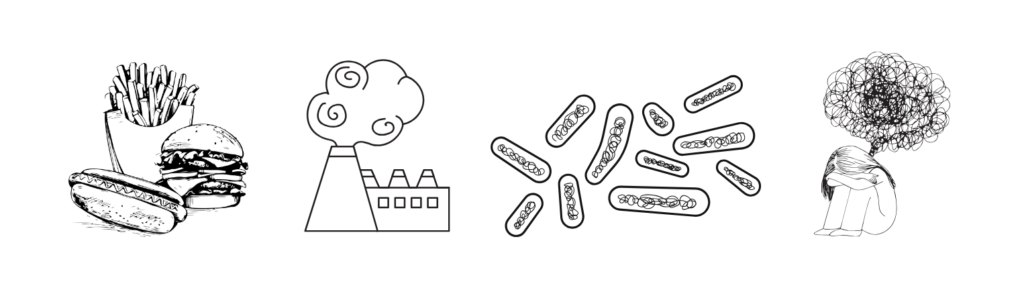
Green juice every morning. Salads full of fiber, enzymes, and phytonutrients. Smoothies that checked every box.

People told me I was the picture of health.

But I wasn’t.

My digestion was off.
My sugar cravings wouldn’t quit.
My focus wasn’t sharp.

The harder I tried, the more I realized: food wasn’t fixing the problem.

What Food Can’t Do

Food nourishes. But it doesn’t clear toxins. It doesn’t remove parasites, and it doesn’t repair the far-reaching damage they’ve caused.

We like to think eating clean is the answer. That if we just eat better—more greens, more superfoods, more everything—our bodies will magically heal.

But that’s not how it works. Not anymore.

The Truth About Modern Health

Your body isn’t fighting food. It’s fighting what’s already inside—what shouldn’t be there.

  • Toxins clog the pathways your body relies on to function.
  • Parasites disrupt the gut and alter the way your brain works.
  • Stress doesn’t just inflame the mind—it shuts down digestion.

You can pour in all the nutrients in the world, but if your body’s systems are blocked or broken, those nutrients don’t go where they’re supposed to.

What Changed Everything

I thought I was doing everything right. Clean eating, nutrient-dense foods, all the advice, all the effort.

But nothing changed.

The breakthrough came when I stopped piling on more and started clearing out what was in the way.

Toxins. Infections. Stress. These were the real barriers. And once I addressed them, everything shifted. My body didn’t need more—it needed room to do what it was designed to do.

No force, no magic formula. Just space. And when I created that space, my body responded.

The CellCore Roadmap

This is what CellCore gets right.

Their approach isn’t about throwing more at the problem. It’s about removing the things blocking the solution.

Healing starts when you clear what doesn’t belong.
Then—and only then—can food do its job.

If drainage pathways are blocked and mitochondria are shut down, no amount of clean eating will get you where you want to go.

The Real Role of Green Juice

Green juice is powerful. It floods your body with nutrients, hydrates at a cellular level, and lays the foundation for health.

But even the best green juice can’t remove toxins, clear parasites, or unblock dysregulated pathways.

Healing starts where green juice stops—when you clear the interferences and give your body the space it needs to use every drop of nourishment you’re pouring in.

So don’t stop juicing. But don’t stop there, either.

True healing begins when you work with your body to release what’s holding it back.

The Question That Changes Everything

If you’ve been doing all the “right” things and still feel off, ask yourself: Is my body too overwhelmed to absorb what I’m giving it?

The truth is, food can’t fix what’s buried beneath layers of toxins, pathogens, and stress.

Start by clearing the interferences. Give your body the room it needs to heal.

Then watch everything—everything—change.

Love it? Share it!

  • Share on Facebook (Opens in new window) Facebook
  • Share on X (Opens in new window) X
  • Share on Pinterest (Opens in new window) Pinterest
  • Share on LinkedIn (Opens in new window) LinkedIn
  • Share on Tumblr (Opens in new window) Tumblr
  • Share on Reddit (Opens in new window) Reddit
  • Print (Opens in new window) Print
  • Email a link to a friend (Opens in new window) Email

Filed Under: Uncategorized

The Cost of Listening to the Wrong People

By cegan

water rippleStop Taking Bad Advice

Everywhere you turn, someone is offering advice. On diets. On hormones. On health hacks. It’s everywhere. And honestly, I get it—the allure of a quick fix is hard to resist. But here’s the thing: the loudest voices aren’t always the wisest.

We’ve got dietary gurus swearing their magic diet will fix everything. But here’s the truth: no dietary theory on earth will work if your body is swimming in pesticides, herbicides, or radioactive elements. Toxins are the uninvited guest at the table, messing with your metabolism, hijacking your hormones, and making every bite less nourishing than it should be. These “experts” skip the hard part—getting to the root cause—because it’s easier to sell you on the surface-level stuff.

Then there are the fashion influencers dabbling in hormone advice. They’re pushing the latest “protocol” like it’s the must-have accessory of the season. But do they know a thing about endocrine disruptors? About how PFAS, plastics, and phthalates are sabotaging your hormonal health every day? Of course not. The lighting is perfect, their captions are catchy, and their followers believe them.

And let’s not forget the sellers of false hope: pills and powders for every problem, programs for every pain. Solutions that aren’t solutions at all, just quick-fix sales gimmicks disguised as help. These people aren’t here to guide you—they’re here to monetize you.

Here’s the reality: real solutions come from real work. From people who’ve studied the science, walked the path, and faced the hard questions about what’s really behind our collective struggles. Real solutions aren’t flashy or easy to package. But they work.

This is the hard truth: If you’re taking advice from people who don’t know the first thing about environmental toxins, who’ve never examined how endocrine disruptors derail your health, or who haven’t spent years connecting the dots between modern life and modern illness… you’re wasting your time.

Want better results? Start listening to people who’ve done the work.
Not the ones with the biggest platform, the loudest voice, or the most polished pitch.
The ones who’ve spent years making sense of the invisible, overlooked toxins in your water, food, and air.

Because here’s the truth: what you put in your body matters. But what’s poisoning it matters more.

What You Can Do Next

  1. Look for mentors, guides, and experts whose work is rooted in evidence and lived experience—not just the appearance of expertise.
  2. Educate yourself on the invisible factors—like environmental toxins—that could be keeping you from real health.
  3. Trust your intuition when something feels too good to be true. Real solutions take time, effort, and honesty.

Choosing truth over noise doesn’t just transform your health—it sets off a ripple that strengthens your family, your community, and the future you’re building.

Love it? Share it!

  • Share on Facebook (Opens in new window) Facebook
  • Share on X (Opens in new window) X
  • Share on Pinterest (Opens in new window) Pinterest
  • Share on LinkedIn (Opens in new window) LinkedIn
  • Share on Tumblr (Opens in new window) Tumblr
  • Share on Reddit (Opens in new window) Reddit
  • Print (Opens in new window) Print
  • Email a link to a friend (Opens in new window) Email

Filed Under: Uncategorized

Healing Isn’t Control: Why Surrender Changes Everything

By cegan

The Pause That Changes Everything

Take a moment. Pause. Feel the weight of your body in the chair. Notice your breath. Rising. Falling.

Just that.

Nothing to fix. Nothing to control.

We live in a world addicted to effort. Pushing harder. Solving faster. Fixing everything. We’ve been taught that healing is a battle, that success only comes through force.

But what if that’s not true?

What if healing, real healing, happens not because of what we do, but because of what we stop doing?

Michael Singer reminds us: life is unfolding exactly as it’s meant to. The struggle, the suffering; they only happen when we resist. We fight against what is. And that fight? It’s not just in our heads. It’s in our bodies, too.

Letting Go is a Biological Act

Think about it: the mind clings to fear, just as the body clings to toxins. Thoughts accumulate, just like stress and chemicals build up in our cells.

Letting go isn’t just a mental practice. It’s mental. physical. It’s emotional It’s cellular. And it’s detox, too.

Detox isn’t about adding something new. It’s about subtraction. It’s about giving the body permission to release what is harmful.

But here’s the problem: we resist.

The Burden of Resistance

Resistance creates friction. The mind fights. The body braces. The nervous system locks into survival mode.

It’s not our fault. The mind tells us it’s keeping us safe. The body does the same, holding onto toxins, infections, and stress responses because it thinks it has to.

But resistance is exhausting. And resistance is toxic.

Singer tells us, “If you want to be free, simply view your inner disturbance as something that needs to be released.” Dr. Jay Davidson might add, “If you want your body to heal, you must release what is physically burdening it.”

The Immune System: A Fire Alarm That Won’t Turn Off

Resistance doesn’t just live in the mind or the nervous system, it plays out at the cellular level too. When your body’s natural alarm system won’t turn off, it creates a cascade that drives chronic inflammation.

Here’s how it works:

A toxin enters your body. Or maybe it’s an infection, a trauma, or even a chronic stressor. The immune system, your body’s defense network, immediately responds. It releases cytokines, chemical messengers that signal immune activity.

In a healthy system, the alarm shuts off once the threat is gone. But when the alarm doesn’t sounding danger, the immune system stays in overdrive, creating what scientists call chronic low-grade inflammation.

  • Interleukin-1 beta (IL-1β): The first responder, sounding the alarm and initiating inflammation to address the perceived threat.
  • Interleukin-6 (IL-6): Amplifies the immune response, sending signals to keep the system on high alert and prepared for sustained action.
  • Interleukin-8 (IL-8): Attracts reinforcements, such as neutrophils, a type of white blood cell, to flood the site and fight off the invader.
  • Tumor necrosis factor-alpha (TNF-α): Destroys infected or damaged cells, but when overproduced, it can harm healthy tissue and perpetuate inflammation.

Over time, this constant immune activation drains energy, damages tissues, and shifts the body into survival mode. Chronic inflammation becomes the foundation for many illnesses: autoimmunity, cardiovascular issues, neurodegeneration.

This isn’t a failure of your body—it’s an overreaction to unresolved triggers. To stop the cycle, you must remove what’s fueling the fire: toxins, infections, and stressors. Only then can the body repair, rebuild, and restore balance.

Why Letting Go is the Hardest Part

We hold on because letting go feels dangerous. We think if we release control, everything will fall apart.

But what actually happens?

Nothing. Life continues to unfold, exactly as it always has. Only now, we’re not fighting it.

“You are simply sitting in the seat of awareness,” Singer reminds us, “experiencing the world but not being disturbed by it.”

The same is true for your body.

Your liver doesn’t need instructions to detox. Your immune system doesn’t need you to micromanage. It just needs space. It needs you to clear the path.

Remove the pesticides, heavy metals, and pollutants. Remove the fear, the tension, the need to control every outcome.

Healing isn’t something you force. It’s something you allow.

The Invitation: Surrender and Support

Pause. Stop interfering.

That doesn’t mean ignoring the body’s needs. It means giving it what it requires—clean water, clean air, deep rest, real nourishment—and then stepping back.

The body knows what to do. It always has.

What part of you is tired? The part that’s resisting. The part that’s gripping tightly, afraid to let go.

Let go.

The mind stops gripping. The body stops bracing. And in that space, everything shifts.

Life has always known what to do. Healing doesn’t happen through control. It happens when you stop getting in the way.

Love it? Share it!

  • Share on Facebook (Opens in new window) Facebook
  • Share on X (Opens in new window) X
  • Share on Pinterest (Opens in new window) Pinterest
  • Share on LinkedIn (Opens in new window) LinkedIn
  • Share on Tumblr (Opens in new window) Tumblr
  • Share on Reddit (Opens in new window) Reddit
  • Print (Opens in new window) Print
  • Email a link to a friend (Opens in new window) Email

Filed Under: Uncategorized

From Toxins to True Hydration: Restoring Cellular Health for Real Results

By cegan

Three Key Points

  • Mitochondria create EZ water, essential for detoxification, energy, and hydration.
  • Toxins disrupt mitochondria, blocking EZ water and cellular function.
  • Detox, light exposure, and structured water restore mitochondrial health and hydration.

You’ve been told that hydration is simple—just drink more water, and your body will stay healthy. But that’s not the full story. Deep inside your cells, your mitochondria—the engines that power your body—do more than produce energy (ATP). They create the energy and conditions needed for a specialized form of water called exclusion zone (EZ) water to form.

Dr. Gerald Pollack’s groundbreaking research revealed that EZ water is gel-like, highly organized, and charged with energy. Unlike ordinary water, EZ water acts as a biological conductor, helping cells move nutrients, flush toxins, and maintain energy flow. Mitochondria create the energy and conditions for EZ water to form by generating an electrical charge and heat, which organize water molecules into their structured state. EZ water forms along hydrophilic (water-loving) surfaces, such as cell membranes, creating a structured environment essential for cellular health.

This structured water isn’t just hydration—it’s the foundation of detoxification, energy production, and cellular communication. However, toxins disrupt this intricate process by impairing mitochondrial function and the energy environment required for EZ water formation. This disruption leaves your cells unable to perform essential functions like detoxification and energy production, creating a cascade of health challenges.

Infrared light, found in sunlight or red light therapy, provides the energy needed to expand and sustain EZ water within your cells. Without this energy input, EZ water formation slows, reducing your body’s ability to detoxify and produce energy efficiently.

When your cells can’t form EZ water, hydration alone won’t solve the problem. The key lies in restoring mitochondrial health, reducing your toxic load, and providing your cells with the light and energy they need to create the conditions for EZ water formation.

The Problem: Toxins Interrupt Cellular Balance

Your mitochondria are remarkably efficient—until toxins get in the way. Environmental pollutants, chronic stress, and poor diet disrupt mitochondrial function, impairing their ability to generate the energy needed for EZ water formation. Without this structured water, your cells operate in a state of drought, even if you’re drinking plenty of water. It’s like trying to fuel a car with a clogged gas line—the fuel is there, but it can’t reach the engine.

This is why you may feel chronically fatigued, sluggish, or dehydrated despite following every hydration rule in the book. The problem isn’t how much water you’re drinking; it’s whether your cells can use it.

How to Support Your Mitochondria

The good news? You can help your mitochondria create the energy environment for EZ water to form and restore cellular function. Here’s how:

  1. Detoxify Your Body and Environment
    Clear the obstacles. Remove toxins that disrupt mitochondria, such as radioactive elements, plastics, pesticides, and heavy metals. Support detox pathways with clean eating, lymphatic drainage, infrared saunas, and detox protocols designed to reduce your body’s toxic load (Hint: I can help).
  2. Support Mitochondria with Light
    Infrared energy, from sunlight or red light therapy, is essential for EZ water. It provides the energy needed to expand structured water, powering detoxification and cellular hydration. Think of light as the spark that fuels your mitochondria and restores balance; Get outside more.
  3. Hydrate with Structured Water
    While water alone won’t fix the problem, structured water—whether from natural springs, sunlight exposure, or vortexing—works with EZ water in your cells, enhancing hydration at the cellular level. This type of water complements the body’s natural processes, helping your cells regain efficiency.

Why This Matters: Your Body as the Hero

Your cells are designed to perform at their best, but toxins and modern stressors pull them out of alignment. Supporting your mitochondria allows your cells to create EZ water, restoring energy, detoxification, and balance. When your cells regain this ability, everything changes: fatigue fades, detoxification becomes efficient, and true cellular hydration begins.

This isn’t just about water—it’s about restoring the processes that fuel life. By clearing toxins, supporting mitochondrial function, and providing cells the right environment, you give your body what it needs to heal and function optimally.

Take the First Step

Healing begins at the cellular level. By reducing toxins, restoring mitochondrial energy, and creating the conditions for EZ water formation, you rebuild the foundation for energy, detoxification, and balance. This isn’t about drinking more water—it’s about equipping your cells to do their job.

The first step is clear: reduce toxins, support mitochondria, and trust your body’s ability to heal. Healing and energy start in your mitochondria.

Love it? Share it!

  • Share on Facebook (Opens in new window) Facebook
  • Share on X (Opens in new window) X
  • Share on Pinterest (Opens in new window) Pinterest
  • Share on LinkedIn (Opens in new window) LinkedIn
  • Share on Tumblr (Opens in new window) Tumblr
  • Share on Reddit (Opens in new window) Reddit
  • Print (Opens in new window) Print
  • Email a link to a friend (Opens in new window) Email

Filed Under: Uncategorized

Why Am I Dehydrated Even Though I Drink Plenty of Water?

By cegan

Do you drink plenty of water but still feel thirsty? Many of my clients ask: “Why am I dehydrated when I drink so much water?”

It’s frustrating. You’re doing what seems like the right thing, yet your body feels parched, your energy is low, and hydration remains elusive. The truth is, hydration isn’t just about drinking water—it’s about how well your body uses it.

This is where your body holds a deeper story.

The Hidden Causes of Dehydration

Dehydration is more than thirst—it’s a signal of imbalance. At its core, it often stems from cellular disruptions caused by toxins or stress.

Your cells depend on aquaporins—tiny proteins on the cell membrane—to regulate water flow. Think of aquaporins like a garden hose directing water exactly where it’s needed. When toxins like glyphosate or heavy metals damage these proteins, the hose gets kinked, their functions get impaired, and water doesn’t flow to where it’s needed. Even if you drink plenty of water, it can’t reach your cells.

Oxidative stress—triggered by free radicals from environmental toxins, poor diet, or chronic stress—worsens the problem by further damaging aquaporins. The result? Cells remain dehydrated, no matter how much water you consume.

It’s not just about toxins. Hydration also depends on energy. Your mitochondria—the engines of your cells—rely on water to generate energy. When hydration falters, mitochondria struggle to function, leading to fatigue. That fatigue is your body’s red flag, signaling inefficiencies in energy production, repair, and nutrient use—processes critical for your vitality.

When toxins block water flow, your body—and life—feels stuck. Restoring hydration isn’t just about drinking water; it’s about clearing the blocks, the toxins, that keep your cells—and you—from thriving.

Why Drinking More Water Isn’t the Answer

Here’s the “aha” moment: Drinking more water won’t solve dehydration if your body isn’t equipped to absorb and use it. Too much water can even dilute key electrolytes like sodium, potassium, and magnesium, which are essential for water transport at the cellular level.

Hydration is about more than quantity—it’s about quality and cellular efficiency.

Steps to True Hydration

If hydration feels like a struggle, it’s time to shift your focus. Here are three simple, actionable steps to restore balance:

  1. Nourish Your Cells with Structured Water
    Eat water-rich foods like fruits and vegetables. Their water is naturally structured, making it easier for your cells to absorb. Fresh-pressed juices are my long-time top recommendation.
  2. Replenish Electrolytes
    Balance is everything. Add a pinch of sea salt to your water, use a sugar-free electrolyte powder, or add in one of my favorites, pH Minerals from Premier Research Labs, to replenish electrolytes and support optimal water absorption.
  3. Reduce Oxidative Stress
    Eat antioxidant-rich fruits and vegetables. Antioxidants protect aquaporins and support hydration at a deeper level. Berries and leafy greens, like spinach and kale, are highest in antioxidants.

A Personal Note

I understand how easy it is to overlook hydration. When I’m deep in a work flow, I often forget to drink water, so I started using an app called Waterlogged… it’s been a simple way to remind myself to stay hydrated, even when I’m fully immersed in creation mode. Hydration is a gateway to clarity, focus, and vitality.

They say, ‘How we do anything is how we do everything.’ If you’re feeling off, dehydration might be more than just thirst. Could it be your body’s way of asking you to pause, reflect, and ask what’s really going on?

The Invitation to Flow

Hydration isn’t just a physical process—it’s a reminder of flow. When your cells are hydrated, energy moves freely, vitality returns, and life feels expansive again. Consider this an invitation to restore that flow, not just with water but with the care and attention your body deserves. The moment you begin, your cells will respond, and so will your life.

Love it? Share it!

  • Share on Facebook (Opens in new window) Facebook
  • Share on X (Opens in new window) X
  • Share on Pinterest (Opens in new window) Pinterest
  • Share on LinkedIn (Opens in new window) LinkedIn
  • Share on Tumblr (Opens in new window) Tumblr
  • Share on Reddit (Opens in new window) Reddit
  • Print (Opens in new window) Print
  • Email a link to a friend (Opens in new window) Email

Filed Under: Uncategorized

The Rhythm of Life

By cegan

Have you ever been left out?

It stings, doesn’t it? That sharp pang of exclusion cuts deep, touching something tender and old inside us. I recently felt that hurt—a moment when I learned I wasn’t invited to what seemed a likely, natural fit.

On the surface, it seemed simple: I wanted to be included. But as the hurt settled in, I realized it wasn’t about the event. It was about something deeper—a need to feel that I mattered.

An old habit energy, as I call it, had crept in. That familiar ache of seeking validation from outside myself. It’s a habit I’ve worked so hard to shed, and yet there it was, knocking on the door of my heart.

Michael Singer once wrote, “If the event is powerful enough to change the focus of your heart and mind, the rest of your life will change in due course.” This exclusion, as painful as it was, became one of those moments. It shifted something in me—a reminder that life’s rhythm, even when it feels harsh, always carries us toward the next season.

I called a trusted friend—the kind who lets me be messy, raw, and vulnerable. Through tears, I released the weight of that moment. She reminded me of my strength, my worth, and how little this one experience defined me.

Despair, as David Whyte describes it, is “a necessary and seasonal state of repair.” And in that moment of despair, I found my winter—cold and still, but also brimming with the quiet promise of what comes next.

Life teaches us through its rhythms.

Winter gives way to spring, just as despair eventually makes room for hope. After my tears, there was a flicker of light—a reminder that life has its own plan, its own flow. I’ve learned over and over again that when one door doesn’t open, it’s because another is waiting, and the right places and people will always find me when the time is right.

I thought back to another time in my life—a harder, darker time. Sitting in  a chapel of the unwed mother’s home as a young, soon-to-be-mother, with nothing but uncertainty before me, I felt a similar light streaming through a window. Back then, it was a whisper of hope, a promise that life would rise up to meet me. And it did.

The seasons of life are always in motion.

Even in the stillness of winter—of despair—quiet work is being done beneath the surface. Trusting that rhythm doesn’t mean the pain disappears, but it transforms. Hurt becomes wisdom. Exclusion becomes clarity. And what feels like an ending becomes the beginning of something new.

What season are you in right now?

And what might this season be teaching you about the rhythm of your own life?

Love it? Share it!

  • Share on Facebook (Opens in new window) Facebook
  • Share on X (Opens in new window) X
  • Share on Pinterest (Opens in new window) Pinterest
  • Share on LinkedIn (Opens in new window) LinkedIn
  • Share on Tumblr (Opens in new window) Tumblr
  • Share on Reddit (Opens in new window) Reddit
  • Print (Opens in new window) Print
  • Email a link to a friend (Opens in new window) Email

Filed Under: Uncategorized

  • « Previous Page
  • 1
  • …
  • 3
  • 4
  • 5
  • 6
  • 7
  • …
  • 35
  • Next Page »

Search & You Shall Find

Topics

  • Environmental Toxins
  • Gut Issues & Bloating
  • Headaches, Brain Fog & Focus
  • Health Hacks
  • Mind-Body-Spirit Connection
  • Protein and Real Food Nutrition
  • Recipes
  • Root Cause
  • Start Here
  • Success Stories

DOWNLOAD YOUR FREE GUIDE

GET ON THE WAITLIST NOW!

FREE DETOX TIPS IN YOUR INBOX

As Seen In:

Forbes Huffington Post Better Connecticut Bella Mia Magazine Boston News Network Blog Talk Radio

Carol Egan – Heal Your Digestion to Heal Your Life

  • Facebook
  • Pinterest
  • Twitter

Let’s Talk About Health

I work with accomplished professionals who want to look and feel as healthy as they are successful. They spent years prioritizing success over health, and are now troubled by excess weight, exhaustion, and foggy thinking at work and home. I help them take control of their health, so they can focus on what matters in their life and career.

Schedule Your Call

Copyright © 2026 by Carol Egan · Privacy Policy · Disclaimer· Terms and Conditions